
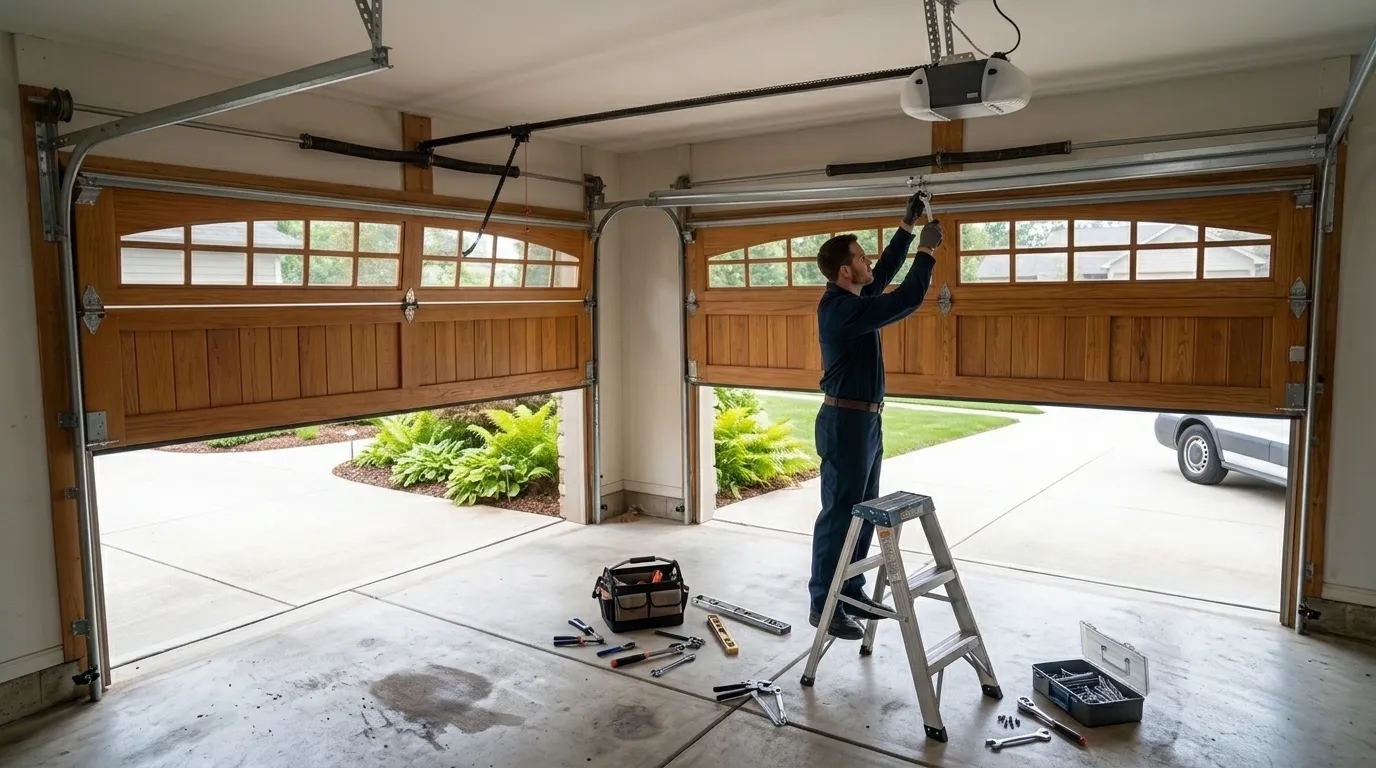
Garage Door Service in Converse
Garage Door Repair for Converse, TX Homes
Converse homes were mostly built after 2000, newer than the rest of the San Antonio service area. Here's what that means for your door, spring, and opener repair.
- Licensed & Insured
- Same-Area Service Calls
- Upfront Pricing
What Happens When You Call
-
1
Call or Request a Quote
Tell us what the door is doing and roughly how old the house is - that alone points us toward the likely part before a truck leaves.
-
2
On-Site Diagnosis
A tech checks the spring, cables, tracks, and opener in person and tells you plainly what is actually wrong.
-
3
Straight Price, No Surprises
You get a number before any work starts. It covers parts and labor, nothing added after the fact.
-
4
Fixed the Same Visit
Most repairs are done in one trip. If a part needs sourcing, we tell you that upfront instead of guessing.
What You Pay
Converse sits at a median household income of $88,060, lower than the $100,076 median across the wider San Antonio service area we cover. That gap matters more than it sounds like it should, because it's the number that decides whether a bad door gets fixed or replaced. On a torsion spring snap or a bent track, repair almost always wins here - the parts are standard, the labor is contained, and there's no reason to put a homeowner into a full door replacement over a $30 part.
Where the math flips is on doors that are genuinely at the end of their life: rusted-through bottom panels, warped sections, openers with worn-out gears that keep stripping. At that point throwing another repair at it just delays a bigger bill. We won't push a new door on a house where a spring and a service call solve the problem, and we won't talk you into stretching a repair past where it makes sense either.
The honest answer is usually the cheaper one, and in a market at this income level, that's the answer worth giving straight.
What You Are Seeing
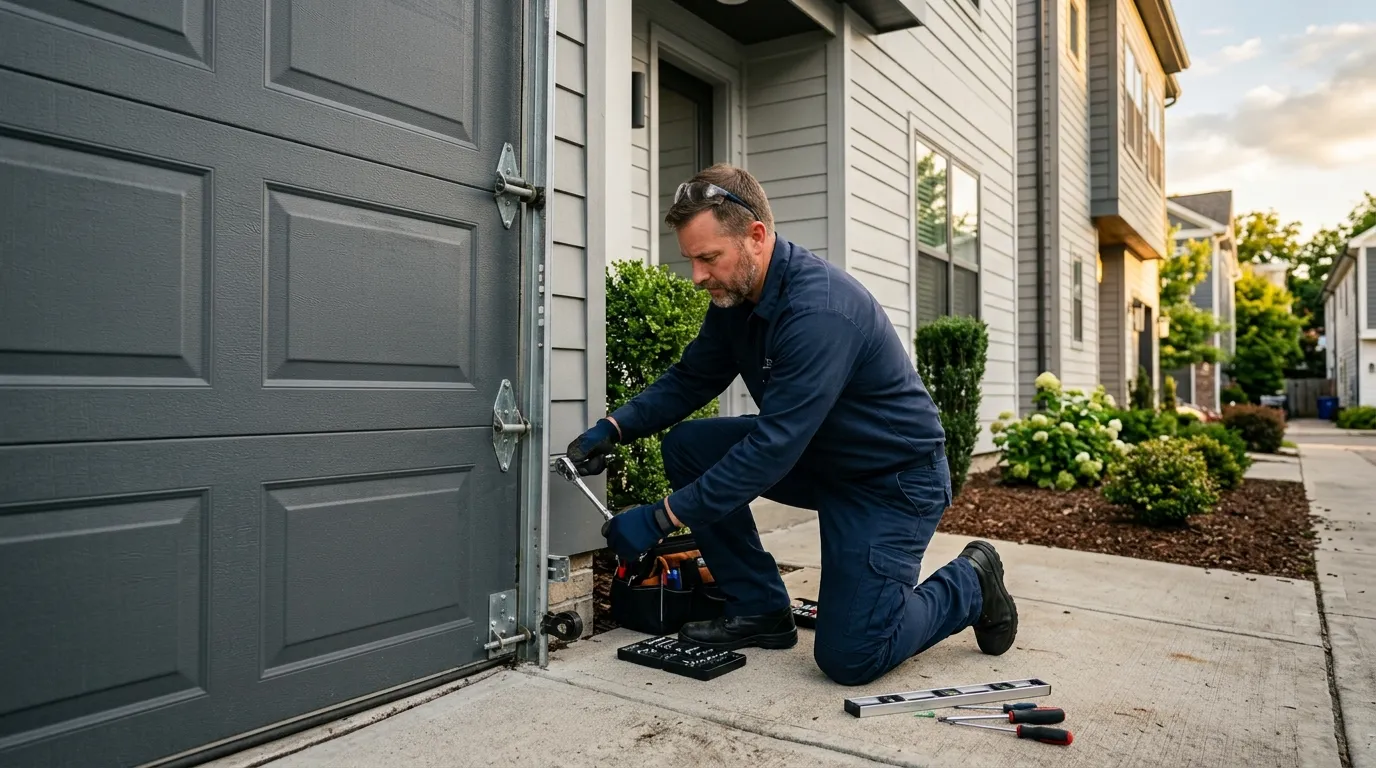
The median year built in Converse is 2003 - a good decade or two newer than much of the rest of the service area, where the housing stock runs from 1954 up through 2010 with a median around 1992. That difference shows up on the door itself. You're not dealing with the original one-piece wood doors or the old side-mounted torsion setups that show up on 1960s stock elsewhere in the area.
Converse garages mostly came with steel sectional doors on standard extension or torsion hardware, chain or belt-drive openers, and factory weatherstripping that was never built for decades of use. The failures we see here tend to be wear failures, not obsolete-parts failures: worn rollers, stretched cables, opener logic boards going bad after 15-20 years of hard Texas heat cycling. The service area sits in a severe heat climate band, and that heat is rougher on rubber seals, plastic gears, and lubricant than most owners expect.
A door that looks fine can have a seal that's cracked stiff and an opener sensor pushed out of alignment from years of expansion and contraction.
Where This Job Goes Sideways
The newer stock in Converse hides a specific trap: builder-grade openers. Homes built in the early-to-mid 2000s often shipped with whatever opener came bundled with the door package, and those units weren't built to be serviced 20 years later - replacement circuit boards for some of them are hard to source, and once the logic board goes, you're better off swapping the whole opener than chasing a part. We'll tell you that up front instead of ordering a board that takes weeks to land.
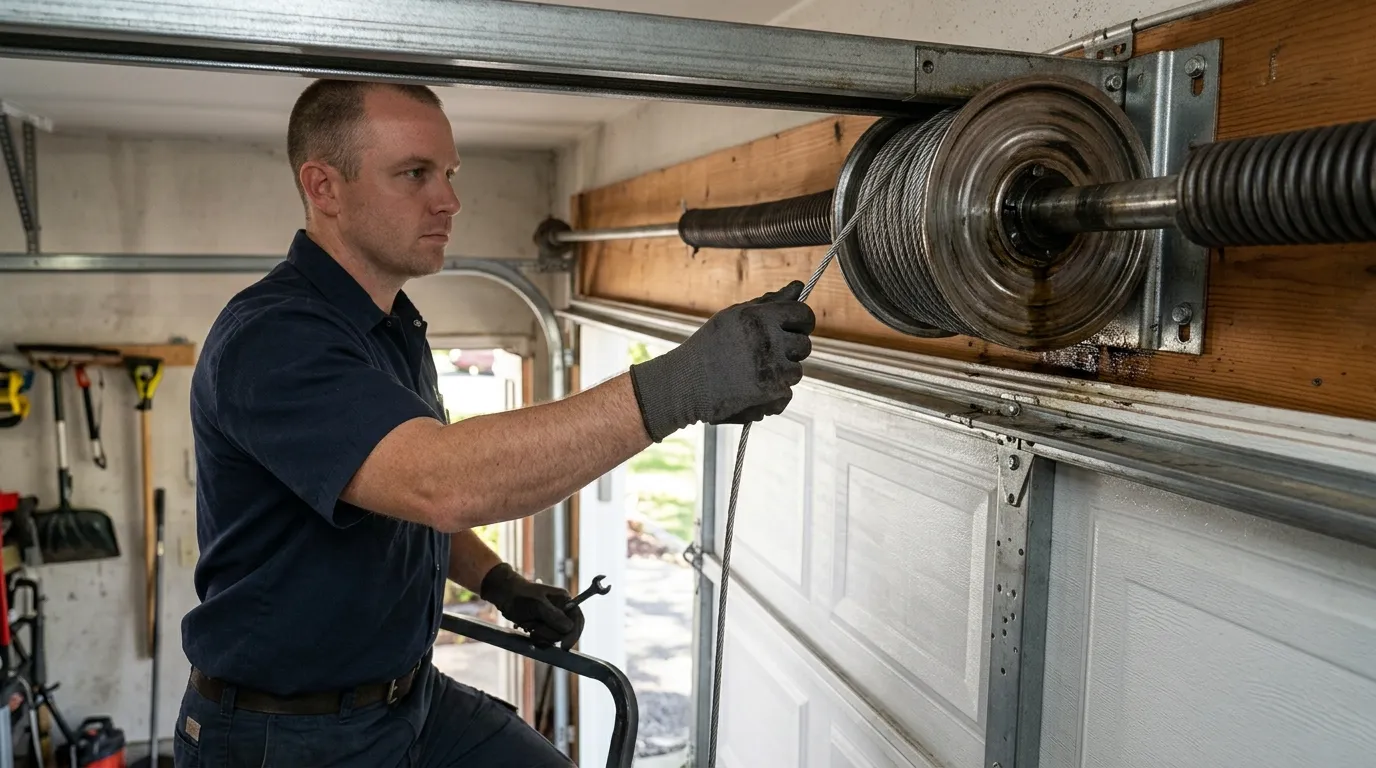
Another spot this goes wrong: homeowners hear a grinding noise and assume it's the opener, when it's actually a bearing on the spring shaft that's about to let go. Those two problems sound almost identical from the kitchen, and if you replace the opener without checking the spring assembly, you've spent money on the wrong repair. We check the spring, cables, and drum condition before we touch the opener, every time - not because it upsells the job, but because it's the order that actually finds the fault.
What Is on the Truck
We stock the parts that fail most often on the kind of doors Converse actually has: standard torsion springs sized for steel sectional doors, extension springs for the older two-spring setups still out there, rollers, cables, and the hinges that take the most flex on a daily-use door. Belt and chain drive opener parts that fit the common residential units are on the truck too, along with weatherstripping and bottom seals - the part that fails first in a severe heat climate, because rubber degrades faster here than in milder regions. What isn't always on the truck: specialty opener boards for older or discontinued builder-grade units, and oversized doors outside standard residential sizing.
Those sometimes mean a return trip once the part is ordered in. We'd rather tell you that on the first visit than promise a same-day fix we can't back up. We drive in from San Antonio, about 14 miles out, so we plan the truck load around what a Converse call usually needs before we leave the shop.
Doing It Yourself
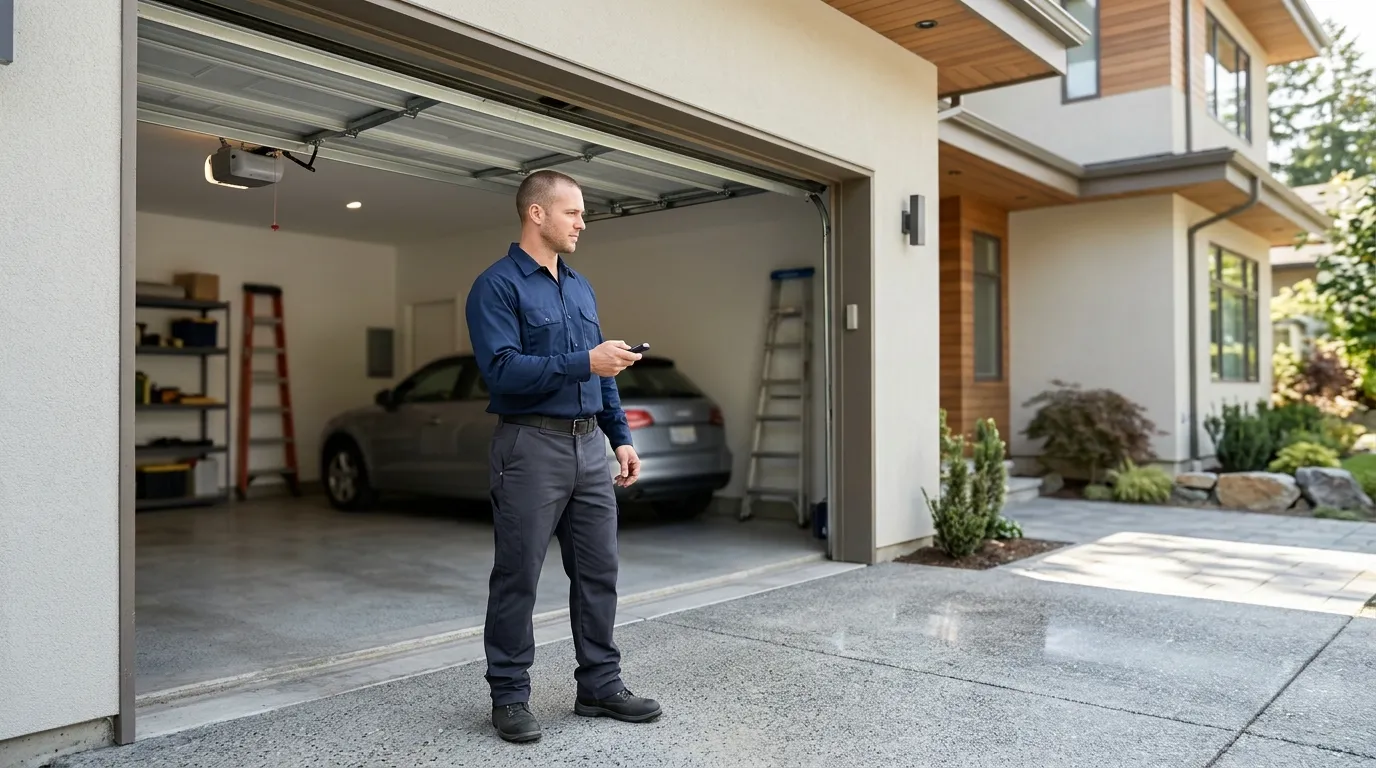
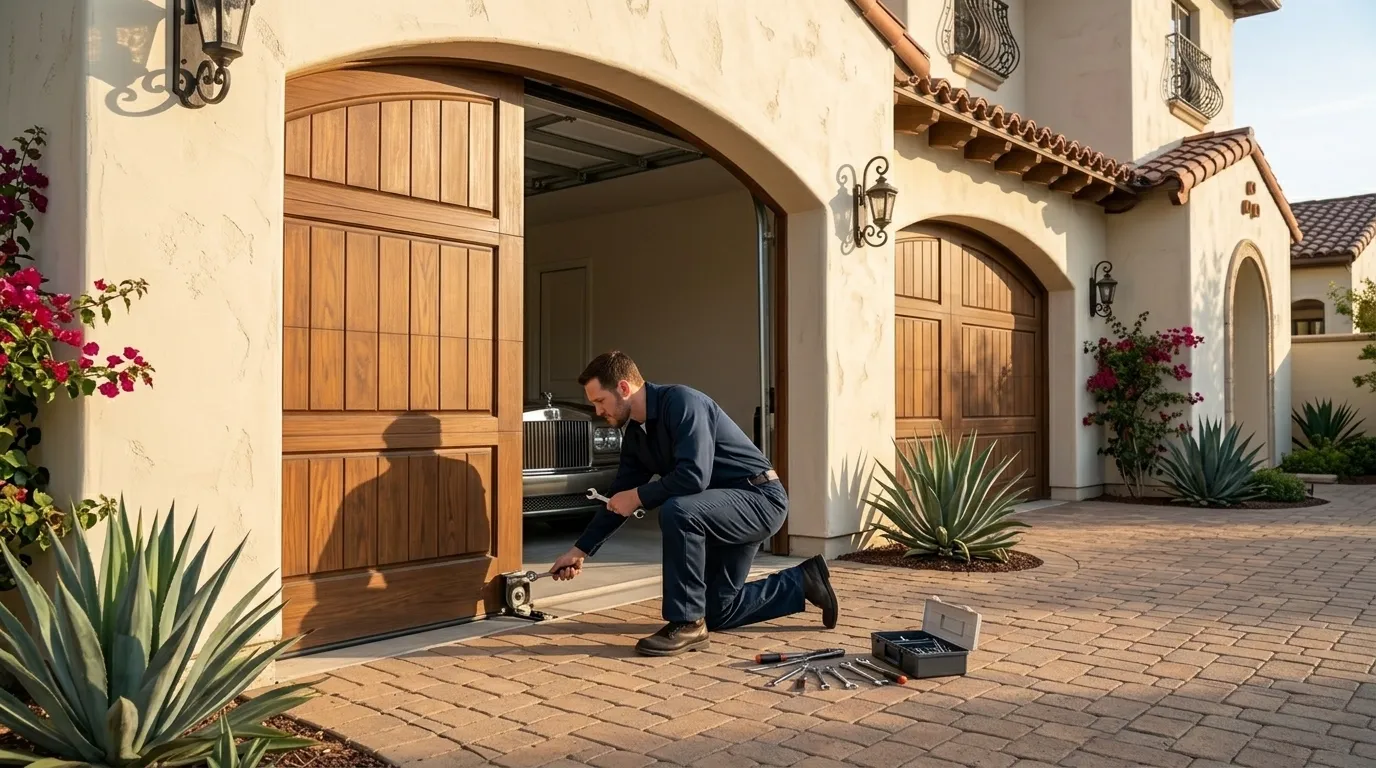
Some of this is fair to handle yourself. Lubricating rollers and hinges, tightening loose bolts on the track brackets, replacing a worn bottom seal, and cleaning the opener's photo-eye sensors are all reasonable weekend jobs on a door this age. What isn't reasonable is touching the torsion spring or the cables under tension - a torsion spring on a standard steel door holds enough stored force to break a bone or worse, and it doesn't announce itself before it lets go.
If your opener is cycling but the door won't move, or the door drops instead of lowering smoothly, that's spring or cable territory, not a DIY afternoon. We'd rather get a call for something small than have a homeowner in the ER over a $40 part. If in doubt, call before you start unbolting anything near the spring shaft.
Getting It Booked In
We cover Converse from our San Antonio base, about 14 miles out, so we're not sitting on standby around the corner - but this is a regular stop on the route, not a special trip. Tell us what the door is doing: grinding, dropping, refusing to open, opener running but door not moving. That narrows down what's likely wrong before the truck even loads, which saves time on-site.
Given the newer housing stock here, most calls end up being wear-and-tear repairs rather than the obsolete-hardware jobs we see on older stock elsewhere in the service area, so parts are usually straightforward to source. For homeowners who want the full rundown on what we do across the area, that's covered on our main San Antonio service page - this page is just about what actually breaks on a Converse-era door and what it takes to fix it right.
Talk to a Converse Technician First
Describe what the door is doing and get a straight answer on what it likely needs.
Other Garage Door Services in Converse
Recent Work in Converse
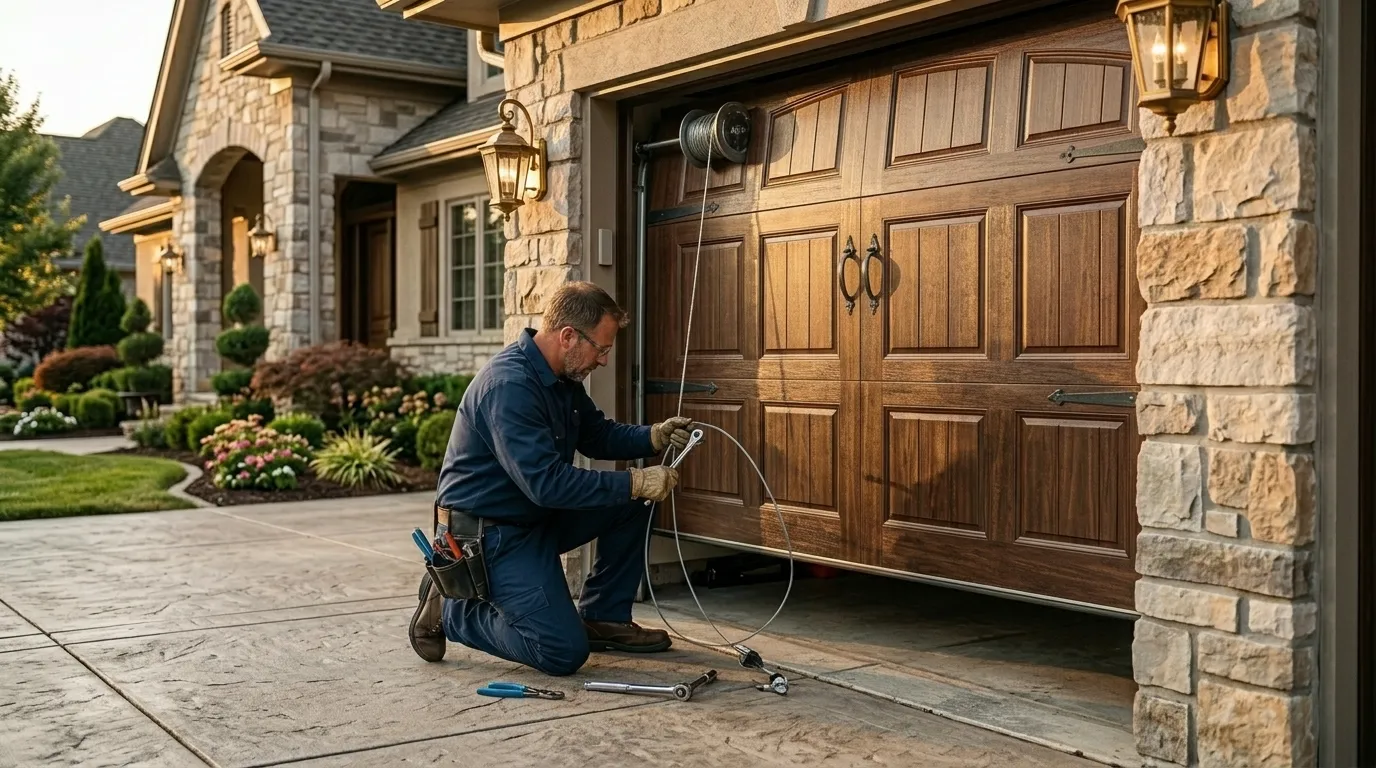
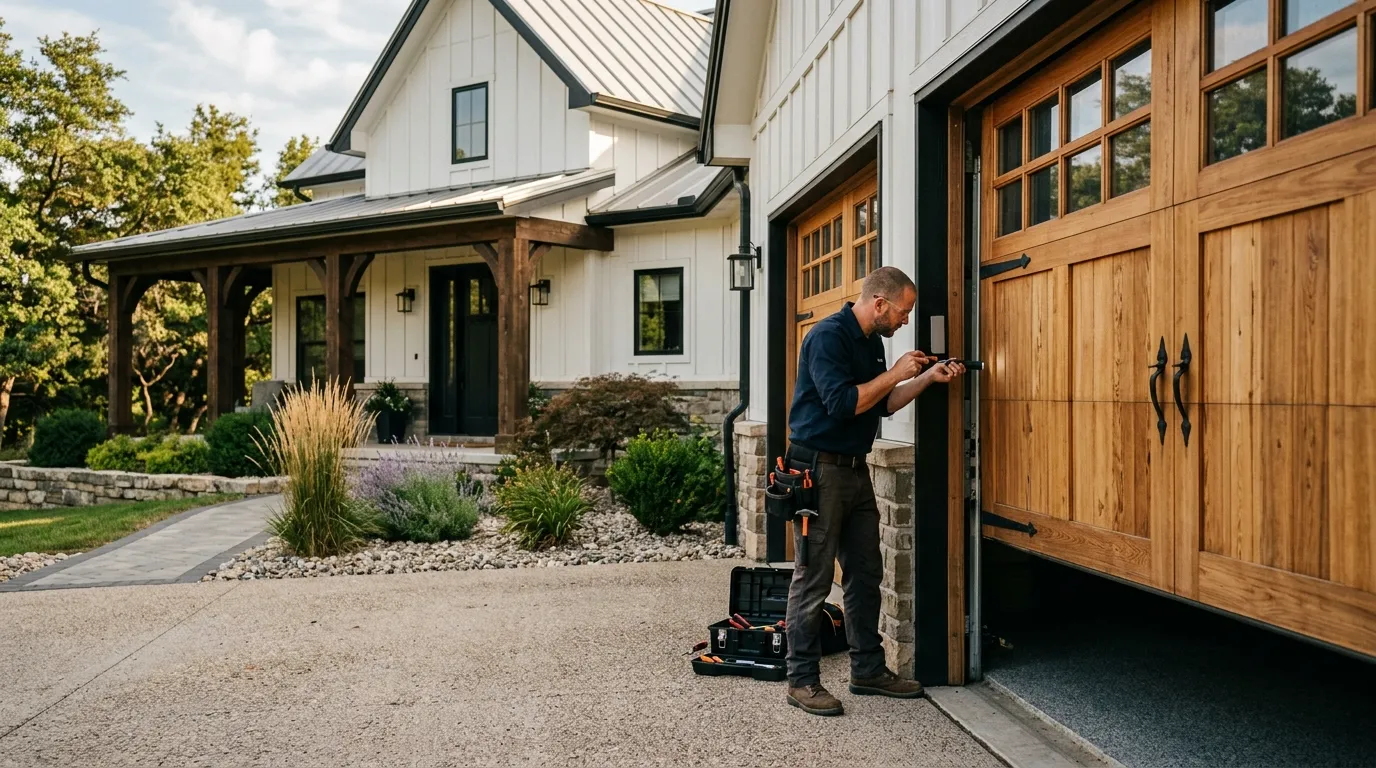
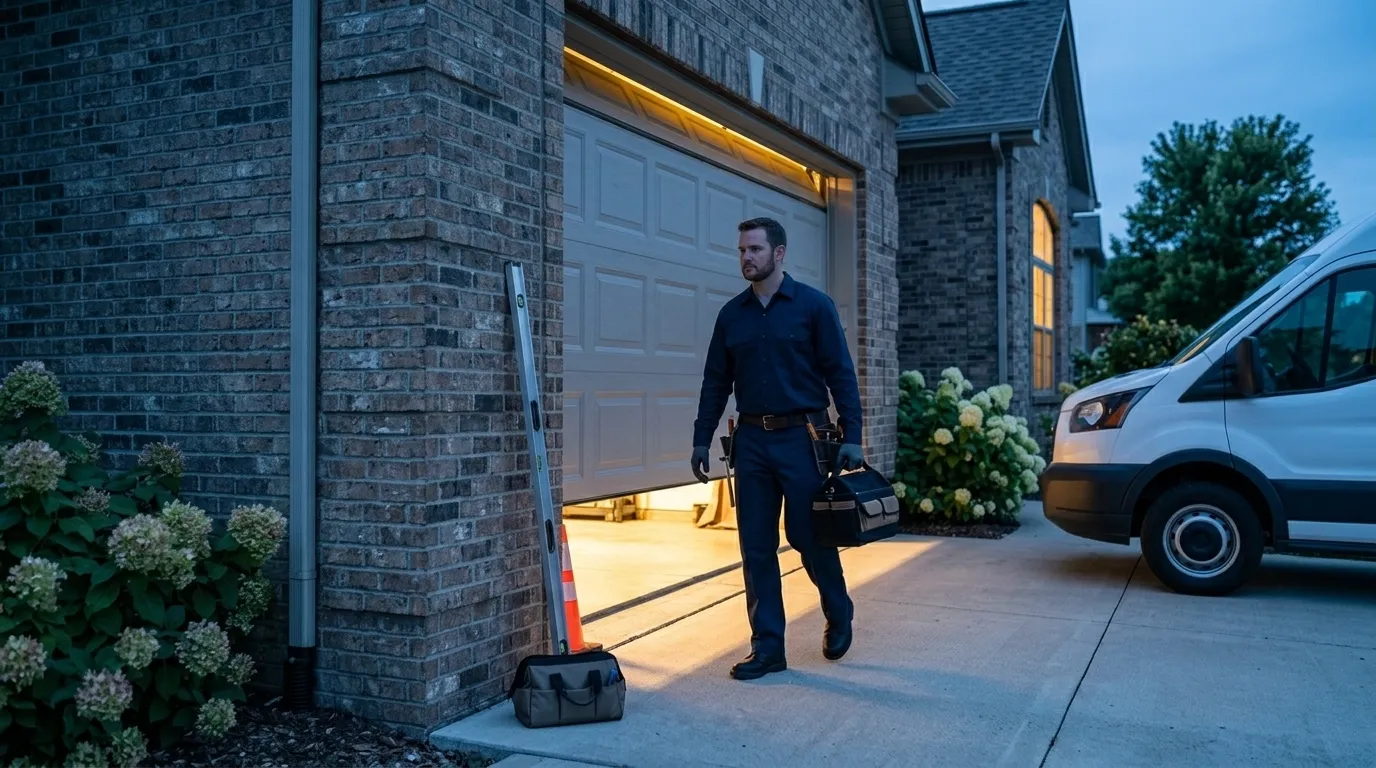
A look at jobs our crew has been on nearby.
Why Converse Calls Us
Frequently Asked Questions
Why does my garage door opener keep failing even though the house isn't that old?
Converse's housing stock is newer than a lot of the surrounding area, with a median build year around 2003, but builder-grade openers from that era weren't built to last 20 years. Combined with severe summer heat cycling the plastic gears and sensors, those original units often need full replacement rather than a part swap by now.
Is it worth replacing my whole door or just fixing the spring?
For most Converse homes, a broken spring on an otherwise sound steel door is a straightforward repair, not a reason to replace. Given the median income here, replacement makes more sense only when the door itself is rusted, warped, or the opener and hardware are failing together, not from one spring going.
Do you have a branch in Converse?
No, we run this area from our San Antonio location, about 14 miles from Converse. It's a regular part of our coverage, but we don't stage a separate depot or crew locally, so we plan the truck load for the visit before heading out.
Why is the bottom seal on my door always cracking?
The service area sits in a severe heat climate band, and rubber weatherstripping degrades faster under sustained high heat than in milder regions. On a door built in the early 2000s, the original seal has usually had two decades of that heat cycling, which is why it's often the first thing to fail.
Need Garage Door Service in Converse?
Call now for straight answers on cost and timing.