
Maintenance & Tune-Up in Converse
Garage Door Maintenance for Converse's Newer Housing Stock
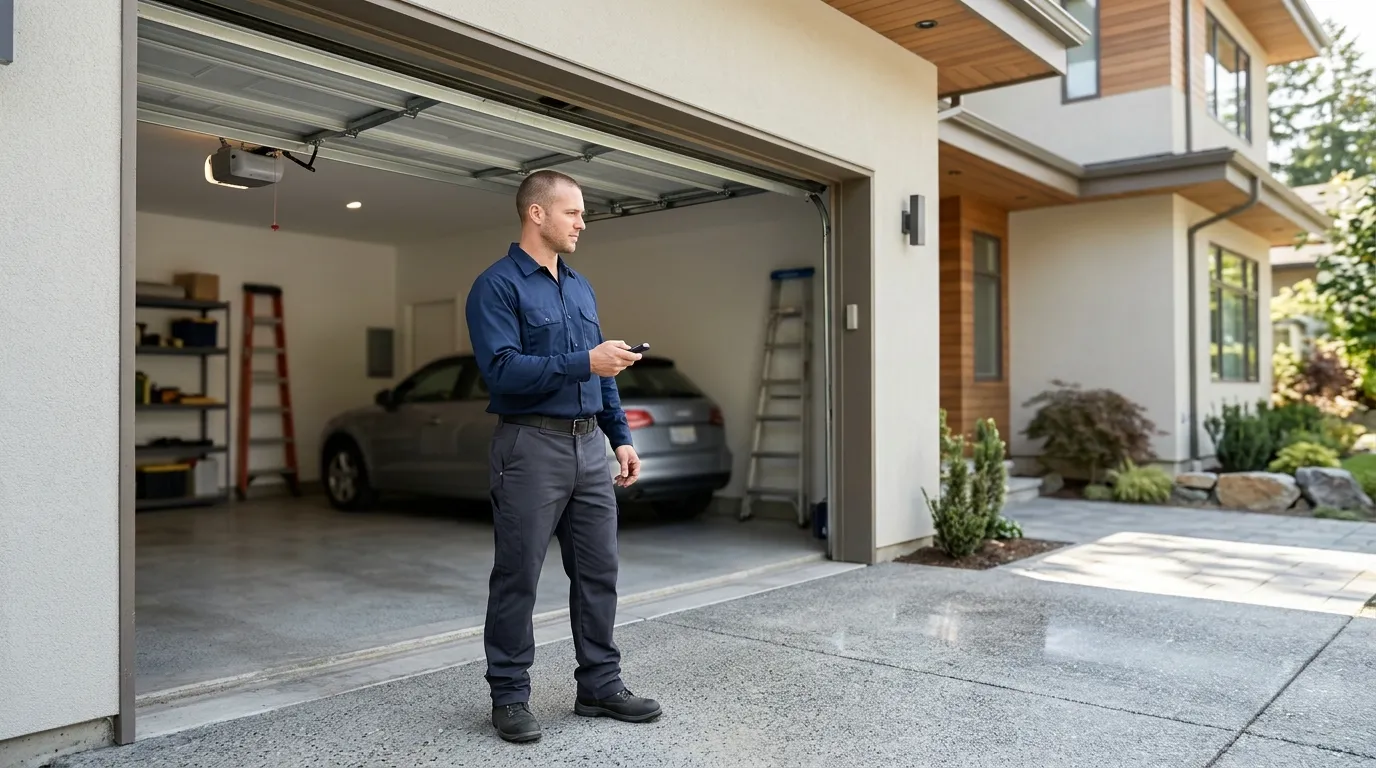
Converse homes mostly went up after 2000, and the doors show it: plastic-gear openers, not seized torsion springs. Maintenance built for that build era.
- Licensed & Insured
- Same-Area Service Calls
- Upfront Pricing
What Happens When You Call
-
1
Call or Request a Quote
Tell us what the door is doing and roughly how old the house is - that alone points us toward the likely part before a truck leaves.
-
2
On-Site Diagnosis
A tech checks the spring, cables, tracks, and opener in person and tells you plainly what is actually wrong.
-
3
Straight Price, No Surprises
You get a number before any work starts. It covers parts and labor, nothing added after the fact.
-
4
Fixed the Same Visit
Most repairs are done in one trip. If a part needs sourcing, we tell you that upfront instead of guessing.
What You Pay
There's no flat number we can print here, because what a maintenance visit costs depends on what's actually wrong with your door and opener, and we don't have a fixed rate on file to quote. What we can tell you is what drives the cost in Converse specifically: most of the housing here went up well after 2000, so you're not paying to source obsolete 1960s hardware. You're paying labor and whatever part actually failed - a gear, a sensor, a cable, a roller.
A tune-up with lubrication, balance check, and a hardware inspection is one price point. Swapping a stripped plastic gear inside a builder-grade opener is another. Replacing a spring is a third.
If someone quotes you a number for "garage door maintenance" in Converse without asking your opener's age or your door's weight, that number isn't grounded in your house. Ask what they're basing it on.
What You Are Seeing
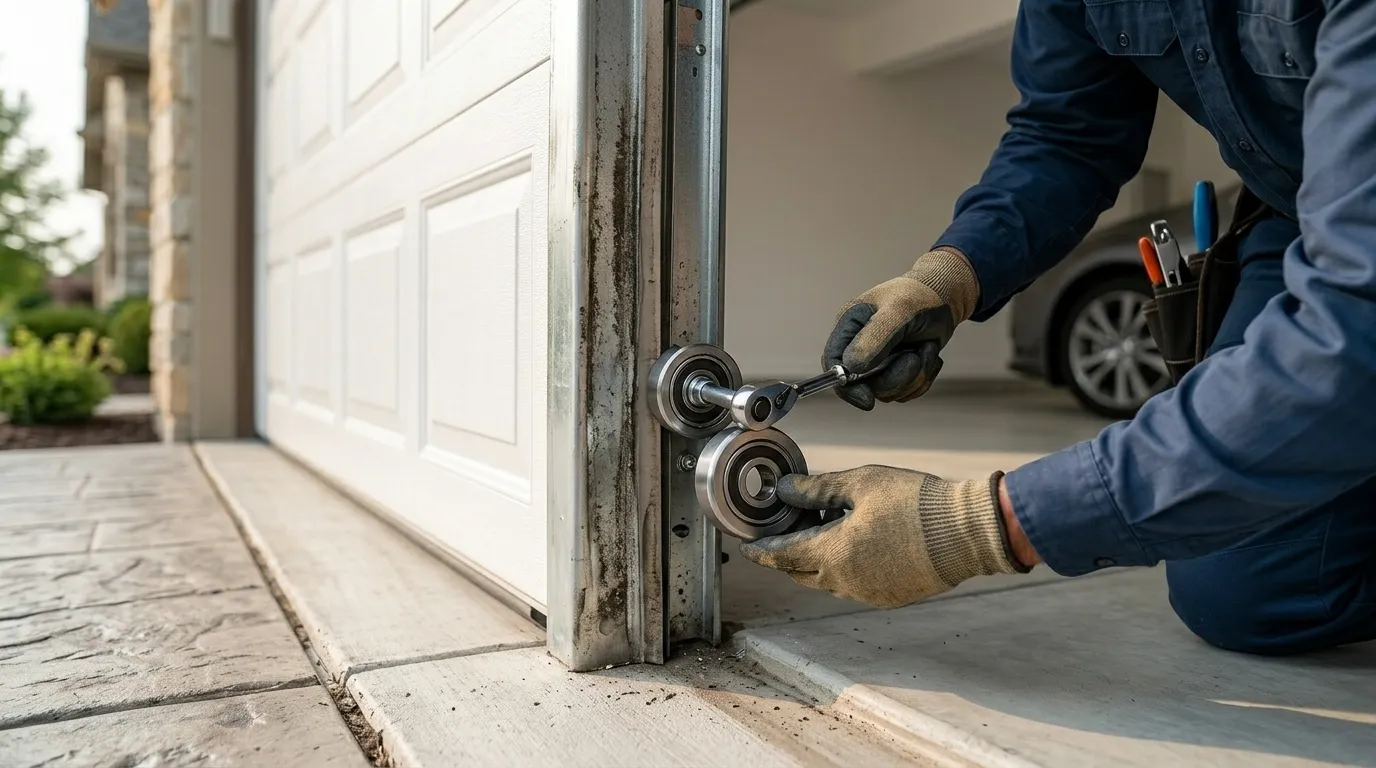
The most common call out of Converse isn't a snapped torsion spring on some ancient one-piece door. It's a chain-drive or belt-drive opener from the early-to-mid 2000s build boom, grinding louder every month as its internal plastic gear wears down under sustained South Texas heat. Converse's housing centers on a median build year of 2003 - newer than the wider San Antonio service area's 1992 median - which means the doors are steel or composite sectional panels on standard torsion hardware, not the old side-mount setups you'd find in the region's oldest neighborhoods.
What fails first here is usually the opener, not the door itself: dried grease on the rail, a safety sensor knocked out of alignment, a remote that's lost range as its board ages. Heat is doing real work on these systems - it softens lubricant, expands and contracts metal tracks daily, and shortens the life of anything plastic under the opener's cover.
Where This Job Goes Sideways
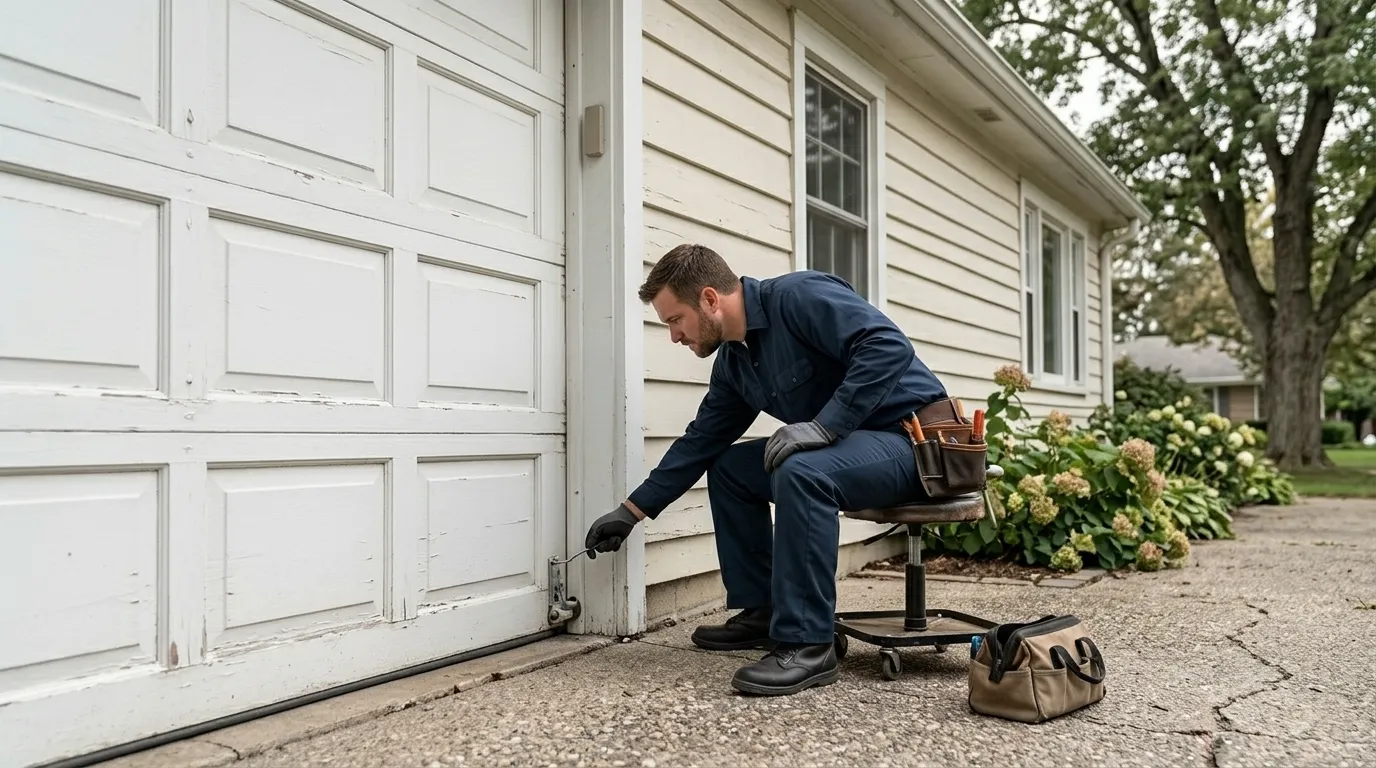
The wrong call in Converse is treating a noisy opener like a door problem, or a door problem like an opener problem, and paying to fix the wrong one. A homeowner hears grinding and assumes the door needs new rollers, when the gear inside the opener head is what's actually stripped - rollers get replaced, the grinding comes right back. The reverse happens too: a door that's gone out of balance because a spring has lost tension over years of heat cycling gets blamed on the opener, which then gets forced to do more work than it's built for and burns out early.
The other place this goes sideways is skipping the safety reversal test after any adjustment. On a 2003-era build, that sensor pair is original equipment in a lot of houses and hasn't been checked since the day it was installed.
What Is on the Truck
For Converse jobs we carry what covers standard torsion-spring residential doors and the openers common to homes built through the 2000s: rollers, cables, lubricant rated for high heat, replacement photo-eye sensors, and gear kits sized for the mainstream chain and belt-drive openers installed in that era. What we don't carry is every proprietary logic board for every smart-opener brand - if your opener has a Wi-Fi module that's failed rather than a mechanical part, that can mean a return trip or a part ordered in.
That's the honest limit of a service truck: it's built for the mechanical failures that make up most calls, not every electronics board on the market. We travel to Converse from San Antonio for each job, so what's loaded before we leave the yard is what's available on site.
Doing It Yourself
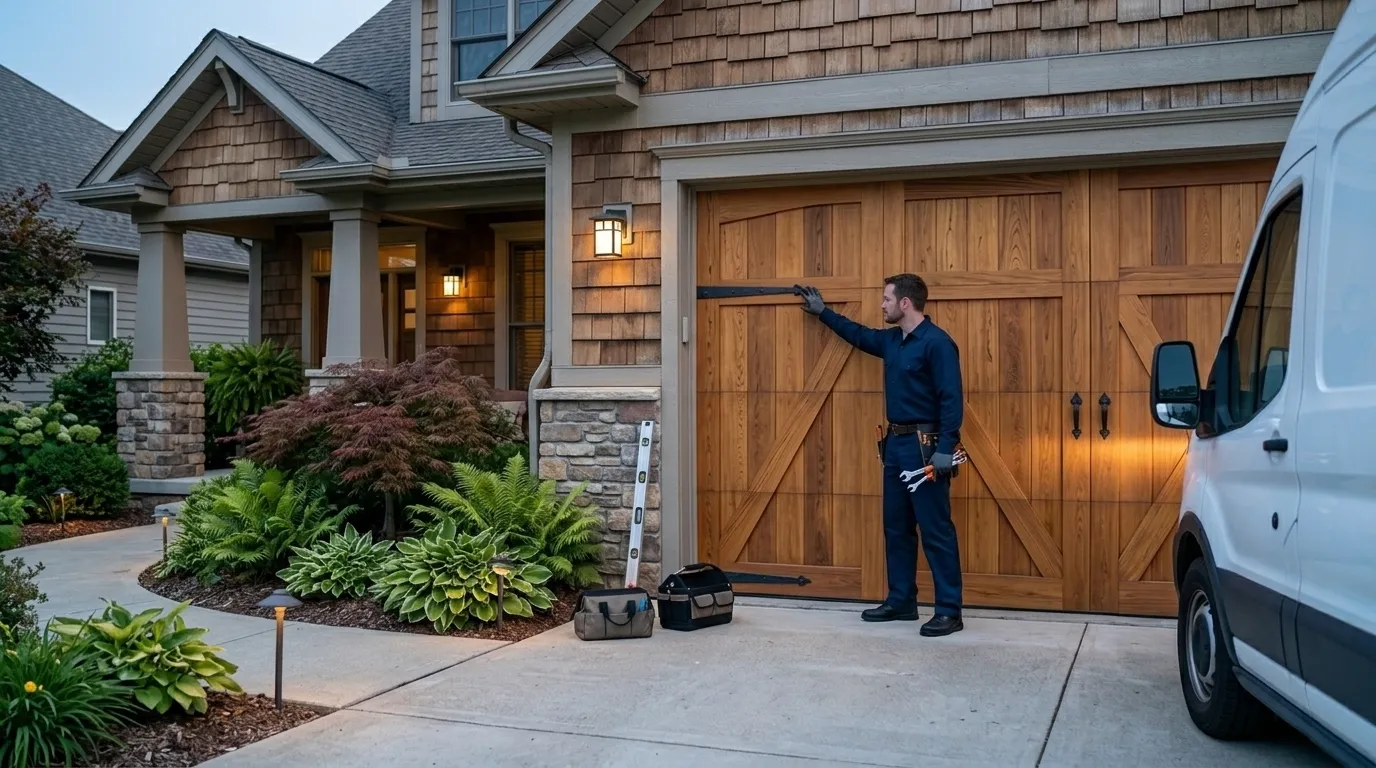
There's a real amount a Converse homeowner can do without calling anyone. Twice a year, wipe down and re-lubricate the rollers and the opener rail with a lubricant rated for high heat - standard grease turns gummy fast in a Texas summer. Check the photo-eye sensors near the floor: wipe the lenses, make sure they're aligned, and confirm the door reverses when you wave something through the beam.
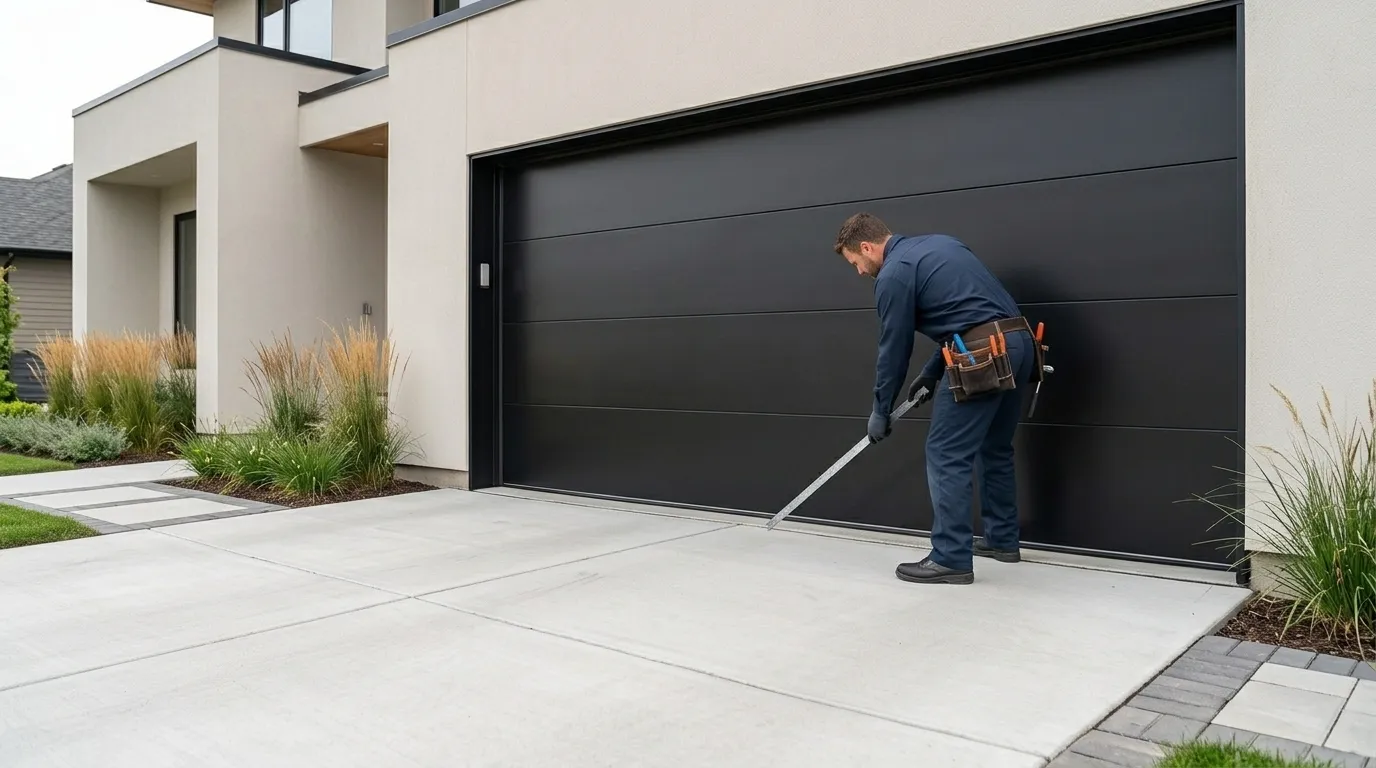
Pull the manual release and lift the door halfway by hand - if it doesn't hold position on its own, the spring tension is off, and that's not a DIY adjustment. Torsion springs on these doors are under enough load to cause serious injury if you try to tighten or loosen them yourself. Visual checks, lubrication, and sensor testing: yours to do.
Spring tension and cable replacement: not worth the risk.
Getting It Booked In
We work Converse as part of the broader San Antonio service area, running the roughly 14-mile trip out for scheduled maintenance and repair calls. There's no local depot here, so visits are scheduled trips rather than same-hour drop-ins - worth knowing if you're planning around a specific day.
Converse's median household income runs lower than the wider service area's $100,076, and with about 9,930 households in town against roughly 93,745 across the full area, it's a smaller market than some of the neighborhoods we cover - which is part of why we schedule maintenance visits in batches rather than treating every call as a standalone trip. If you want more on the full range of what we handle, that's covered on our San Antonio maintenance page; this page is about the door itself.
Talk to a Converse Technician First
Describe what the door is doing and get a straight answer on what it likely needs.
Other Garage Door Services in Converse
Recent Work in Converse
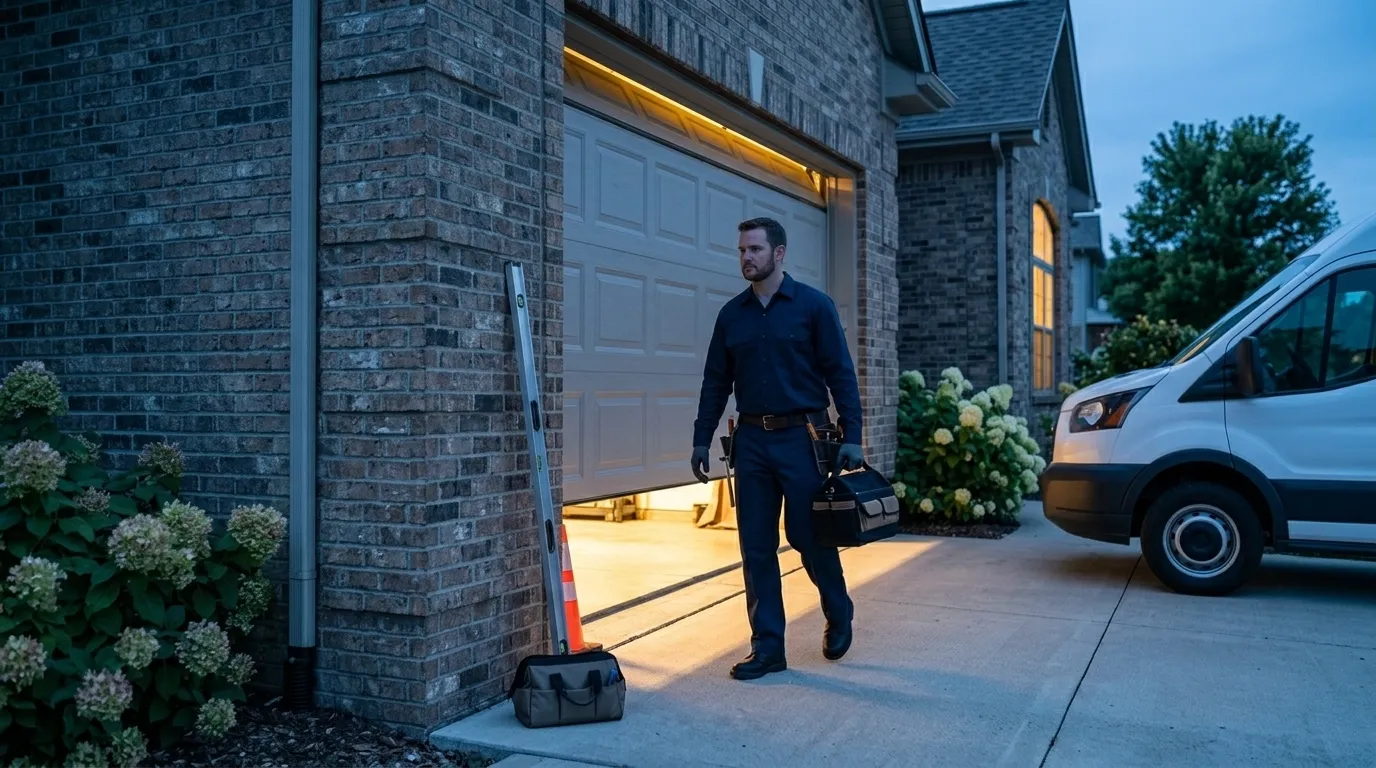
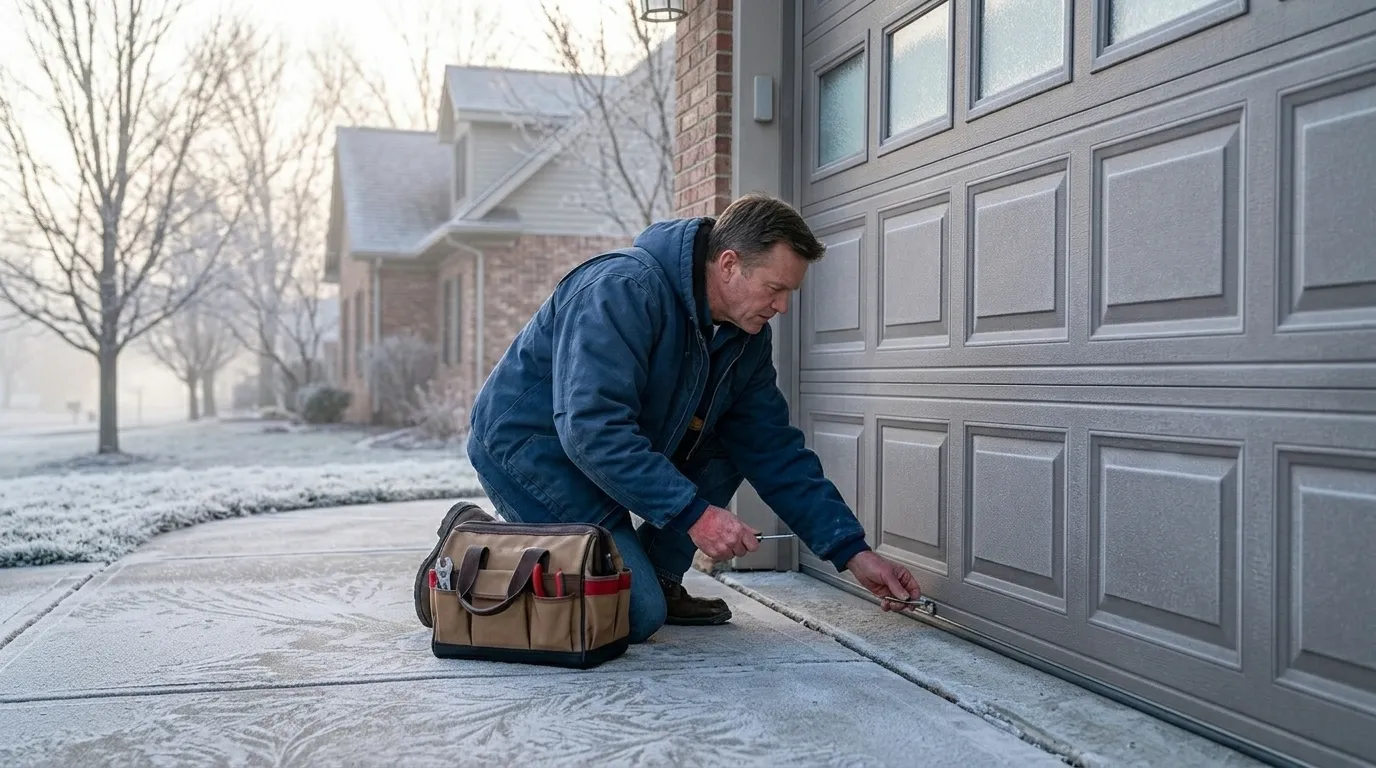
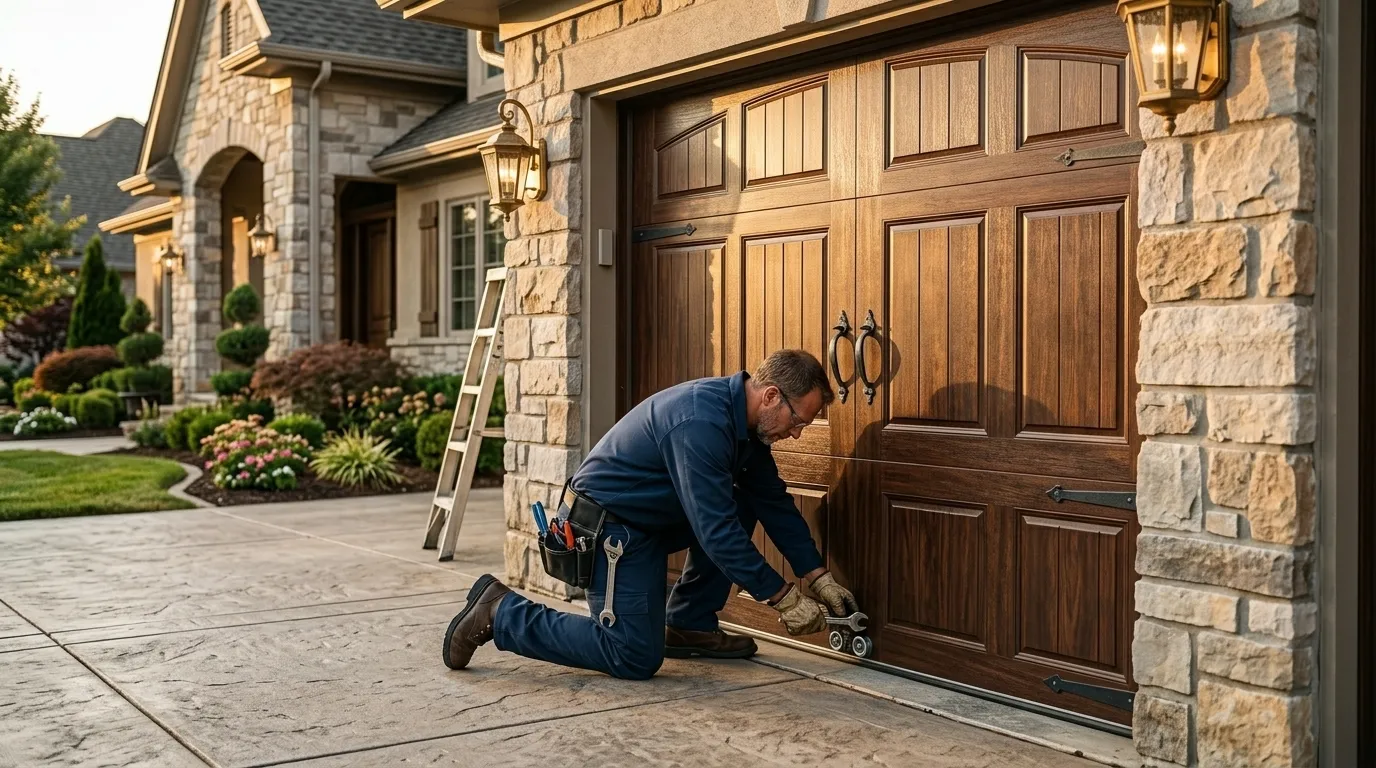
A look at jobs our crew has been on nearby.
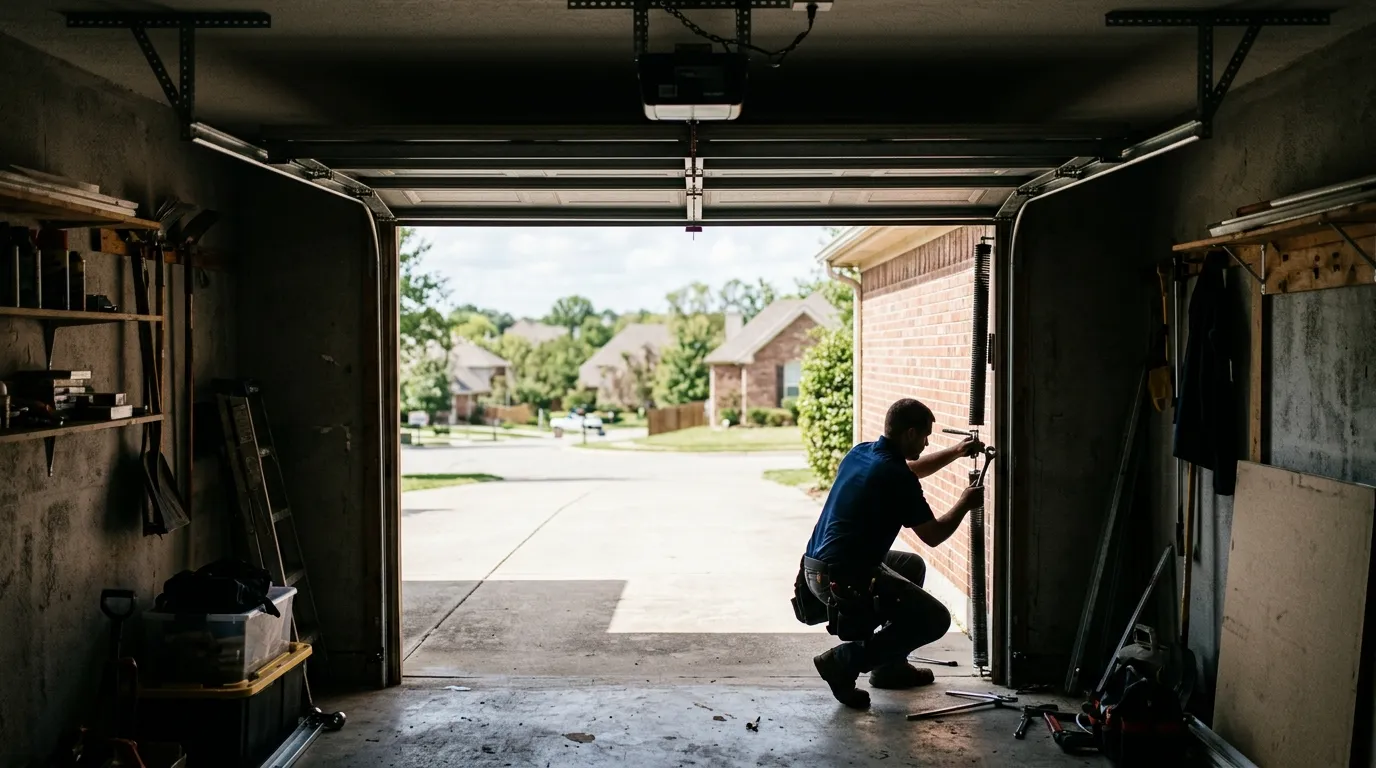
Why Converse Calls Us
Frequently Asked Questions
Why does my opener sound louder than it used to?
In houses built around Converse's median year of 2003, the most common cause is a worn internal gear inside the opener head - usually plastic, and it degrades faster under sustained heat. It's a part swap, not a full opener replacement, in most cases. If the noise comes with jerky movement, get it looked at before the gear fails completely and strands the door shut.
Do I need maintenance if my house is newer, built after 2000?
Yes. A newer build year means newer hardware, not maintenance-free hardware. Springs still lose tension, sensors still drift out of alignment, and heat still dries out lubricant regardless of when the door went in. The failure points are different from an older door's, but they're not fewer.
Can I tell if my spring tension is off myself?
Pull the manual release and lift the door halfway by hand. If it stays put on its own, tension is fine. If it drops or shoots up, the spring is out of balance. Don't adjust the spring yourself - call it in and let someone with the right tools handle that part.
How often should a Converse homeowner get maintenance done?
Twice a year is reasonable given the heat this area sees - once before summer, once after. Lubricant breaks down faster here than in milder climates, and a six-month check catches a worn sensor or loose hardware before it turns into a stuck door.
Need Maintenance & Tune-Up in Converse?
Call now for straight answers on cost and timing.