
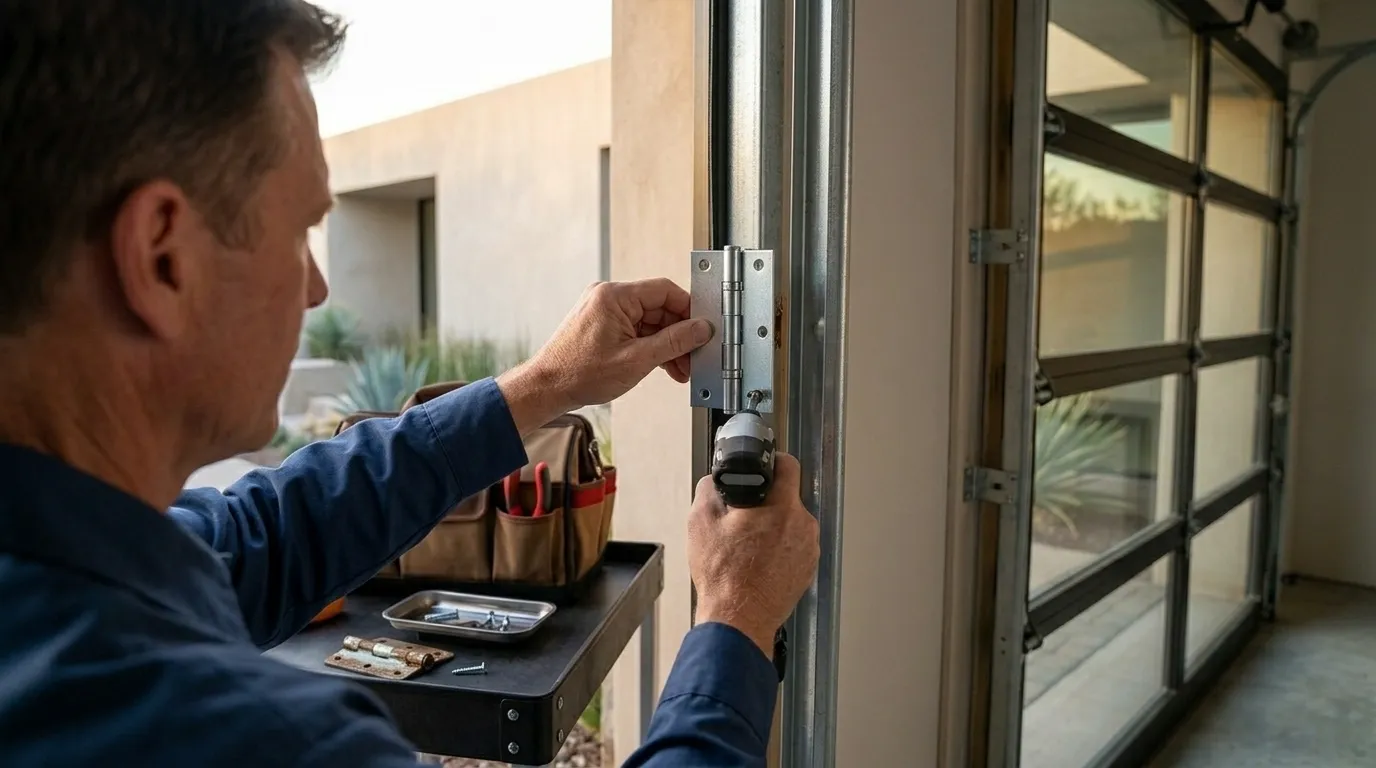
Maintenance & Tune-Up in Live Oak
Keeping a 1994-Era Garage Door Running in Live Oak
Live Oak's garage doors mostly date to 1994, and San Antonio's summer heat is hard on the gears and seals from that era. We drive out from San Antonio to service them.
- Licensed & Insured
- Same-Area Service Calls
- Upfront Pricing
What Happens When You Call
-
1
Call or Request a Quote
Tell us what the door is doing and roughly how old the house is - that alone points us toward the likely part before a truck leaves.
-
2
On-Site Diagnosis
A tech checks the spring, cables, tracks, and opener in person and tells you plainly what is actually wrong.
-
3
Straight Price, No Surprises
You get a number before any work starts. It covers parts and labor, nothing added after the fact.
-
4
Fixed the Same Visit
Most repairs are done in one trip. If a part needs sourcing, we tell you that upfront instead of guessing.
Doing It Yourself
Most of what goes wrong with a Live Oak garage door starts small enough that you can catch it yourself. Once a month, pull the release handle with the door closed and try to lift the door by hand - it should move smoothly and stay roughly level. If it drops or feels heavy on one side, the springs are wearing unevenly, which shows up a lot on doors installed when this area was first built out in the 1990s.
Wipe down the tracks and check for dust caked into the rollers - the Bexar County heat keeps grease thin and dry, so lubricant that would last a year up north might need refreshing every few months here. A silicone-based spray on the hinges, rollers, and opener chain does more good than most people expect.
What you should not do yourself: touch the torsion spring, adjust the cable drums, or mess with the opener's force settings if the door is binding. Those jobs carry real injury risk, and on a door that's had thirty years to accumulate wear, something you can't see is usually part of the problem. If the door groans, reverses on its own, or the opener's logic board flickers when it starts, stop opening it manually and call it in.
What Causes It Around Here
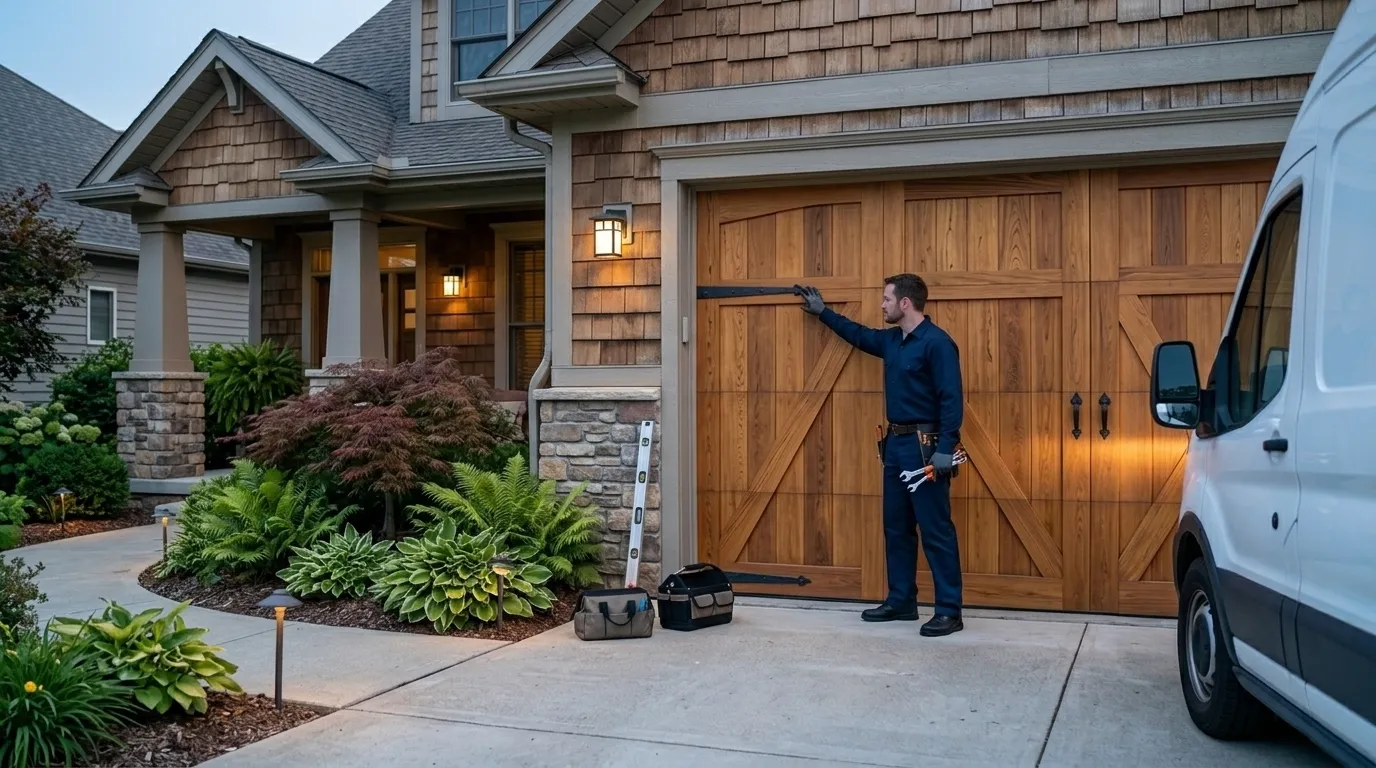
Live Oak's housing mostly went up around 1994, which puts a lot of doors here on original or first-replacement torsion springs rated for roughly ten to fifteen years of cycles - meaning most of them are two or three lifetimes past due. That's not a scare number, it's just what the math on a coil spring looks like after thirty years of daily use.
San Antonio's climate band runs severe heat, and that matters more than people think for a door this age. Steel panels expand and contract enough over a summer day to loosen fasteners at the hinge points, and opener circuit boards installed in the 90s and early 2000s weren't built with today's thermal tolerances. Nylon rollers from that era go brittle and crack rather than wear down gradually.
We see the same pattern across the older pockets of the metro - areas with 1980s and 90s stock tend to have chain-drive openers original to the house, paired with steel doors that have never had the torsion spring replaced. Live Oak fits that pattern closely. The fault is rarely one big failure - it's a spring past its cycle count and an opener gear worn from heat cycling, arriving at the same time.
What You Pay
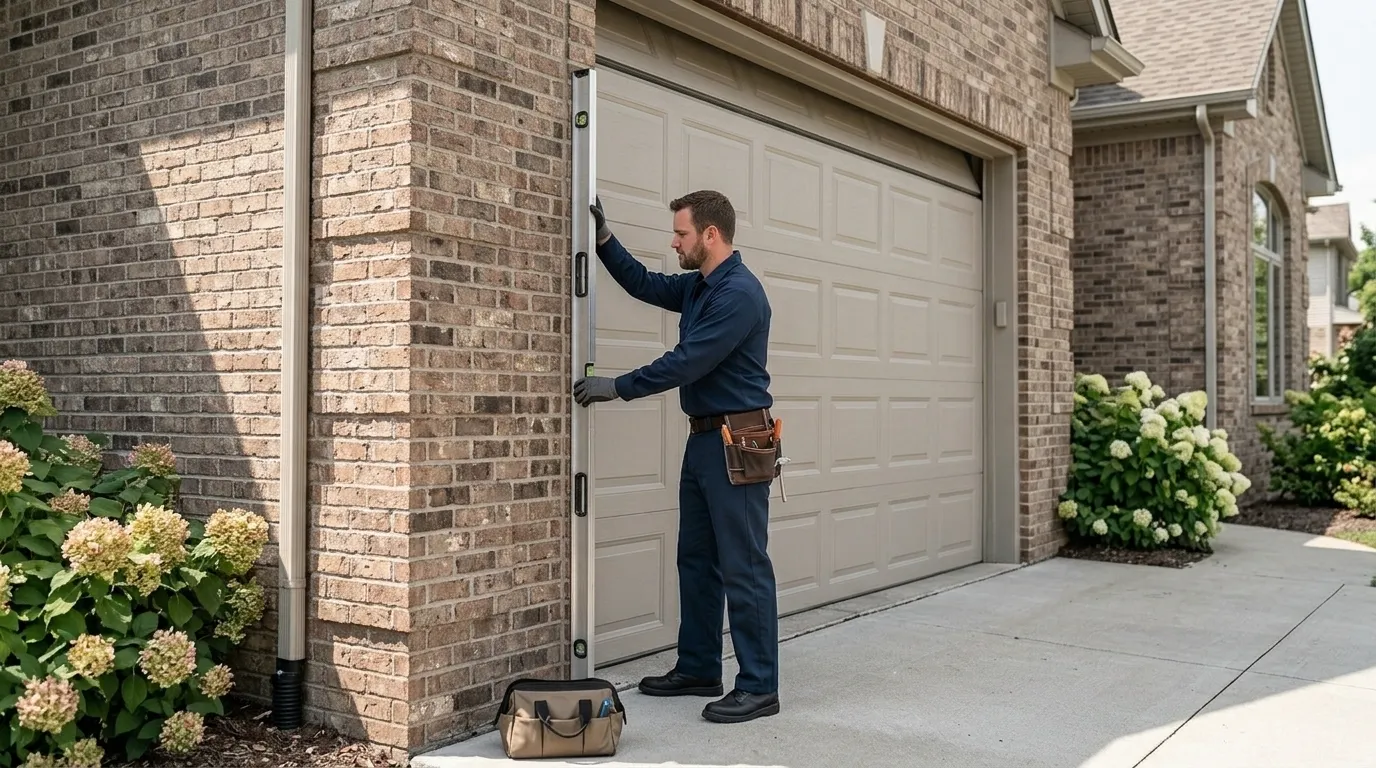
We don't have a flat number to quote you here without seeing the door - spring size, opener age, and how much the hardware has already been patched all change the job. What we can tell you is that a maintenance visit costs less than waiting for a spring to snap or a gear set to strip, and it costs a fraction of a full door replacement.
Live Oak's median household income sits under San Antonio's metro-wide figure, and we keep that in mind when we talk through repair versus replace. A lot of the doors we look at here just need the worn parts swapped - spring, rollers, a lubrication service - not a whole new unit. We'll tell you plainly when a repair isn't worth the labor against buying new, rather than running up a bill on a door that's better off replaced.
How We Fix It
We come out from San Antonio, so the first thing on the visit is a full inspection, not just the symptom you called about. On a door built around 1994, we check the spring's wind and cycle wear, the cable condition at the drums, hinge and roller wear, opener gear and drive belt or chain, and the track alignment top to bottom.
From there we lubricate everything that moves, tighten the hardware that heat cycling has loosened, and replace anything at or past end of life - usually the spring first, since a failed spring puts stress on everything downstream of it. If the opener's logic board is original to the house, we'll flag it even if it's still working, since boards from that generation don't hold up well through another decade of San Antonio summers.
We balance the door once the spring work is done, checking that it holds position at any height without the opener straining. That balance test tells us more about whether the fix will last than anything else we do on the visit.
What Is on the Truck
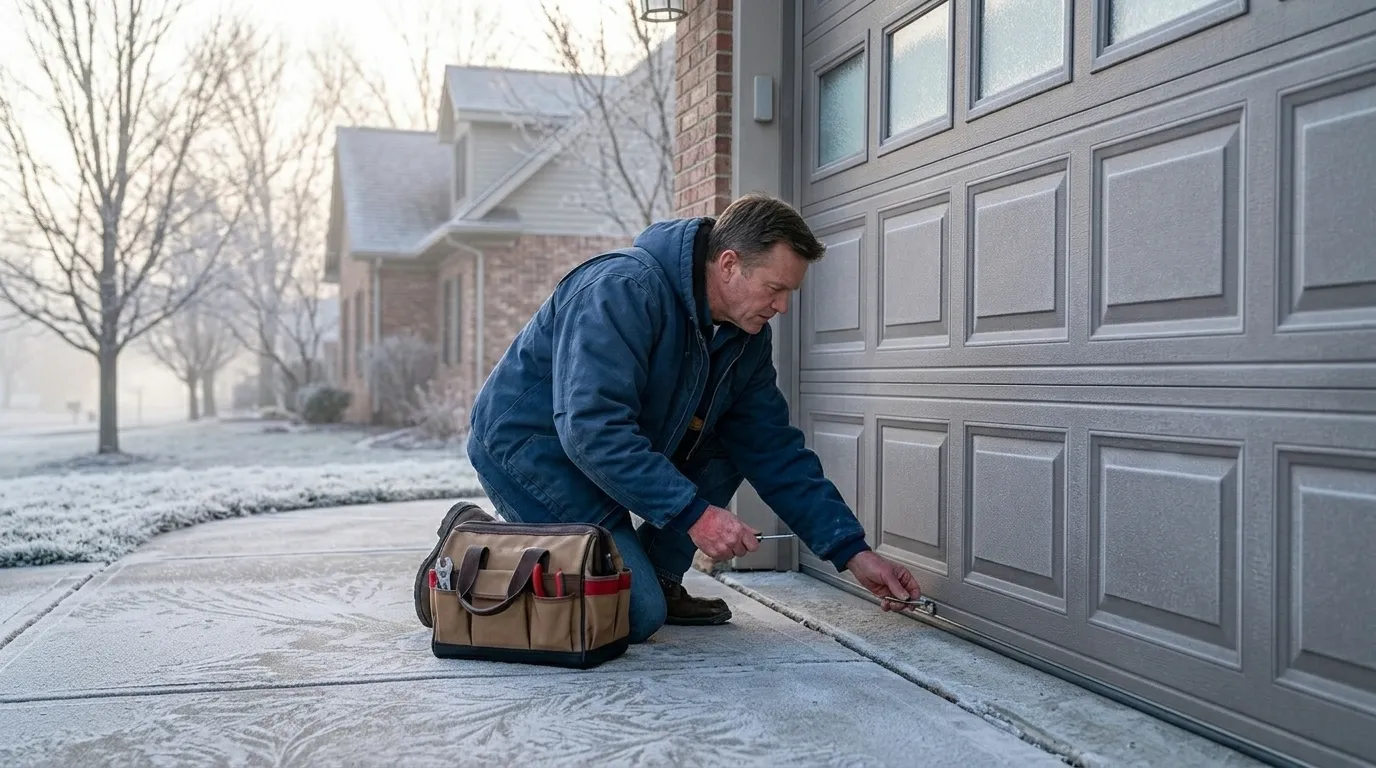
Given how much of Live Oak's stock dates to the mid-90s, we carry the torsion spring sizes and cable gauges that match that era's steel doors, along with the nylon and steel roller types that replaced the originals. Standard hinges, cable drums, and the common chain and belt-drive opener parts ride on the truck too.
What we don't always carry is a matching panel for a door that's been discontinued for twenty-plus years - if a section is dented or rotted through, we may need to order it, and that can take longer than the repair itself. We'll tell you upfront if that's the situation rather than promise a same-visit fix we can't deliver. For everything short of that - springs, rollers, cables, opener internals - we're set up to finish the job in one trip out from San Antonio.
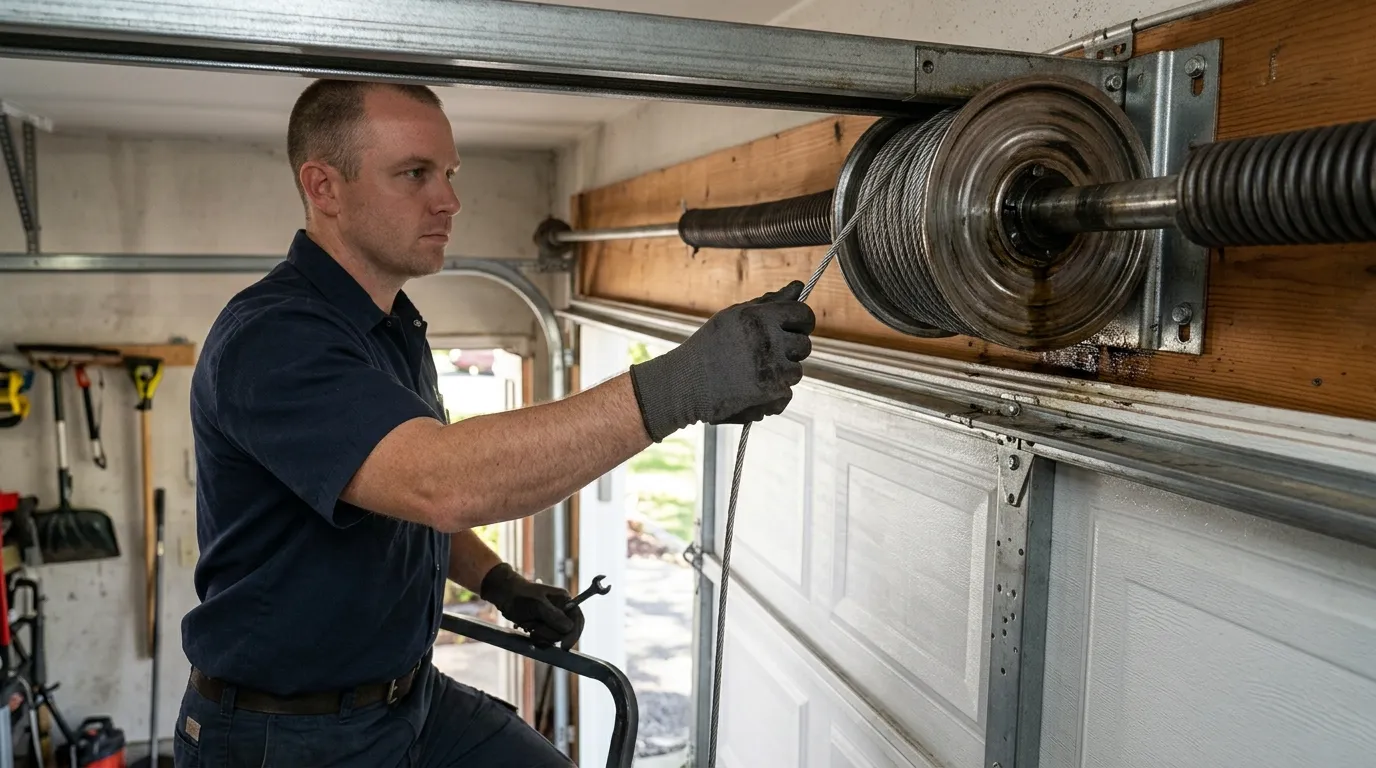
Talk to a Live Oak Technician First
Describe what the door is doing and get a straight answer on what it likely needs.
Other Garage Door Services in Live Oak
Recent Work in Live Oak
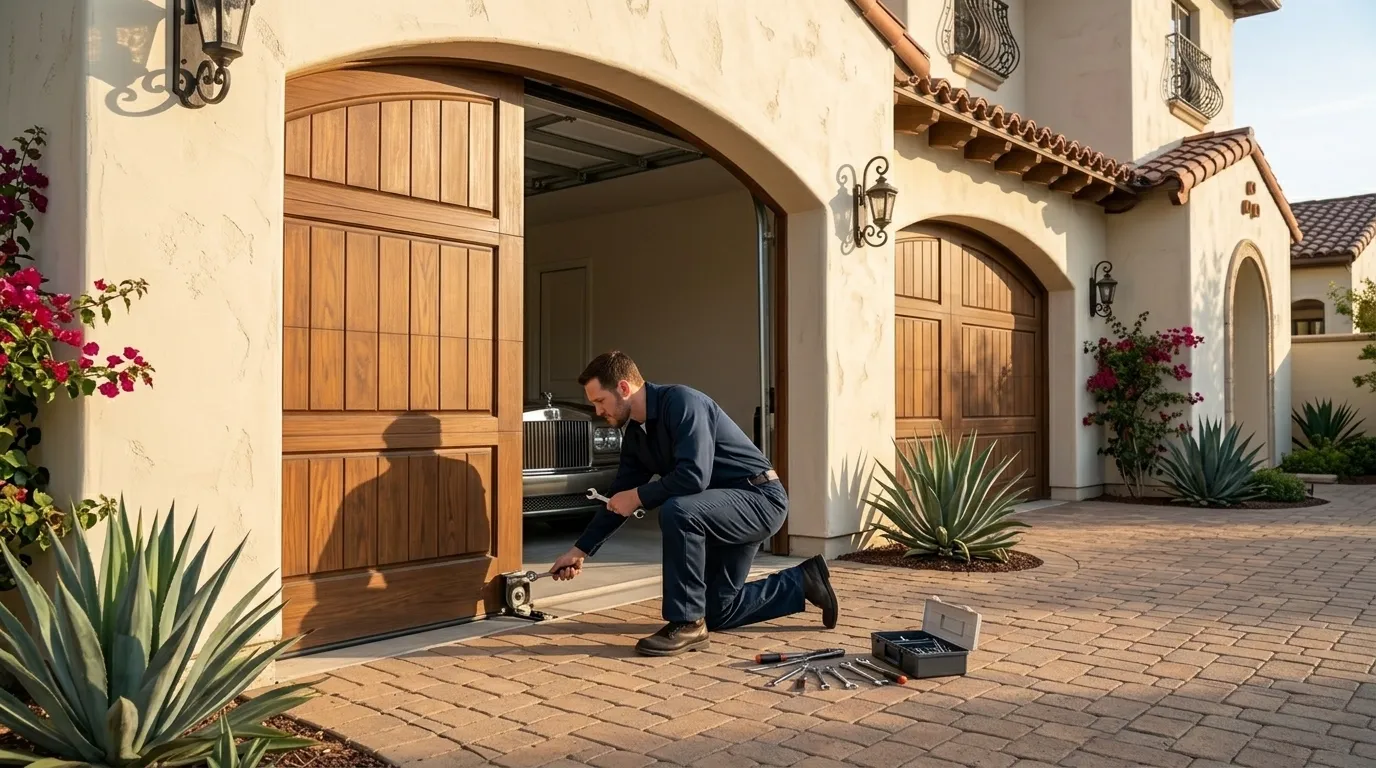
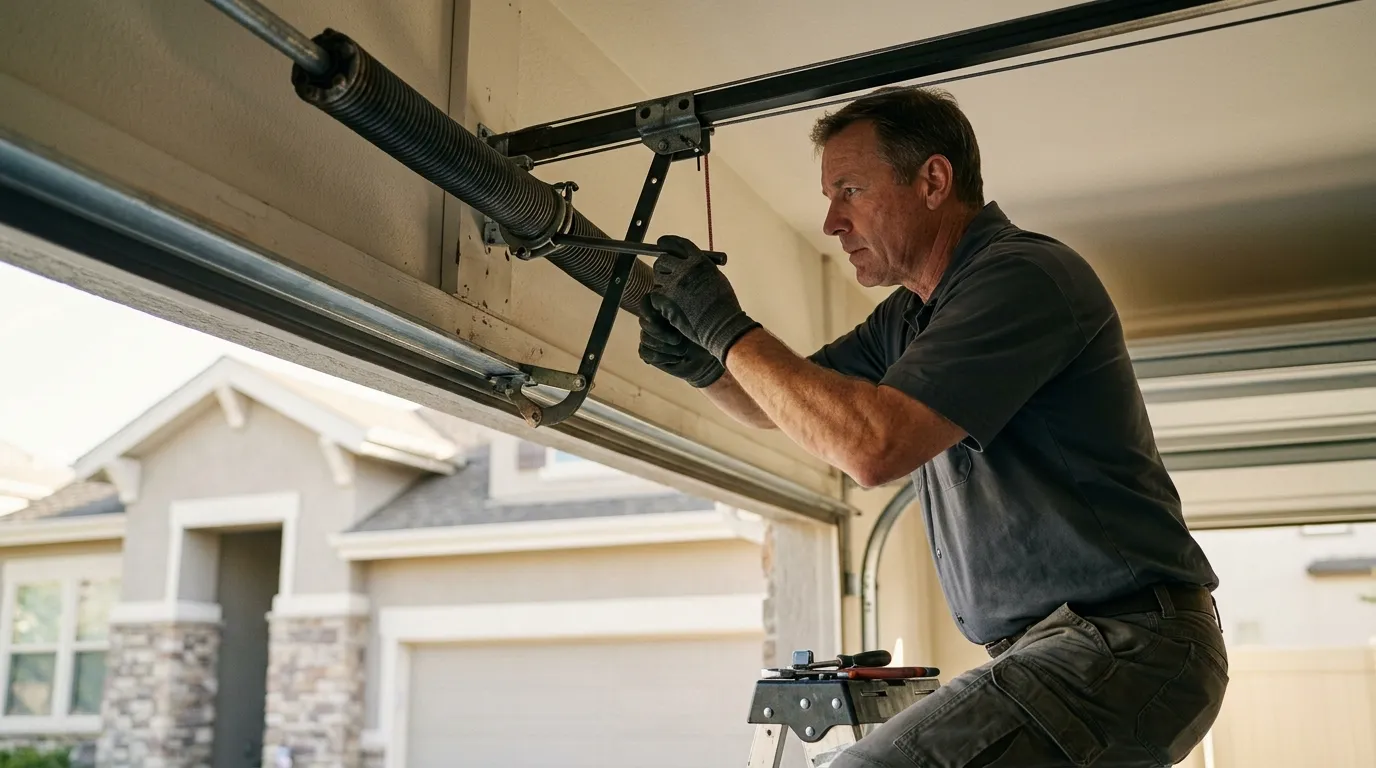
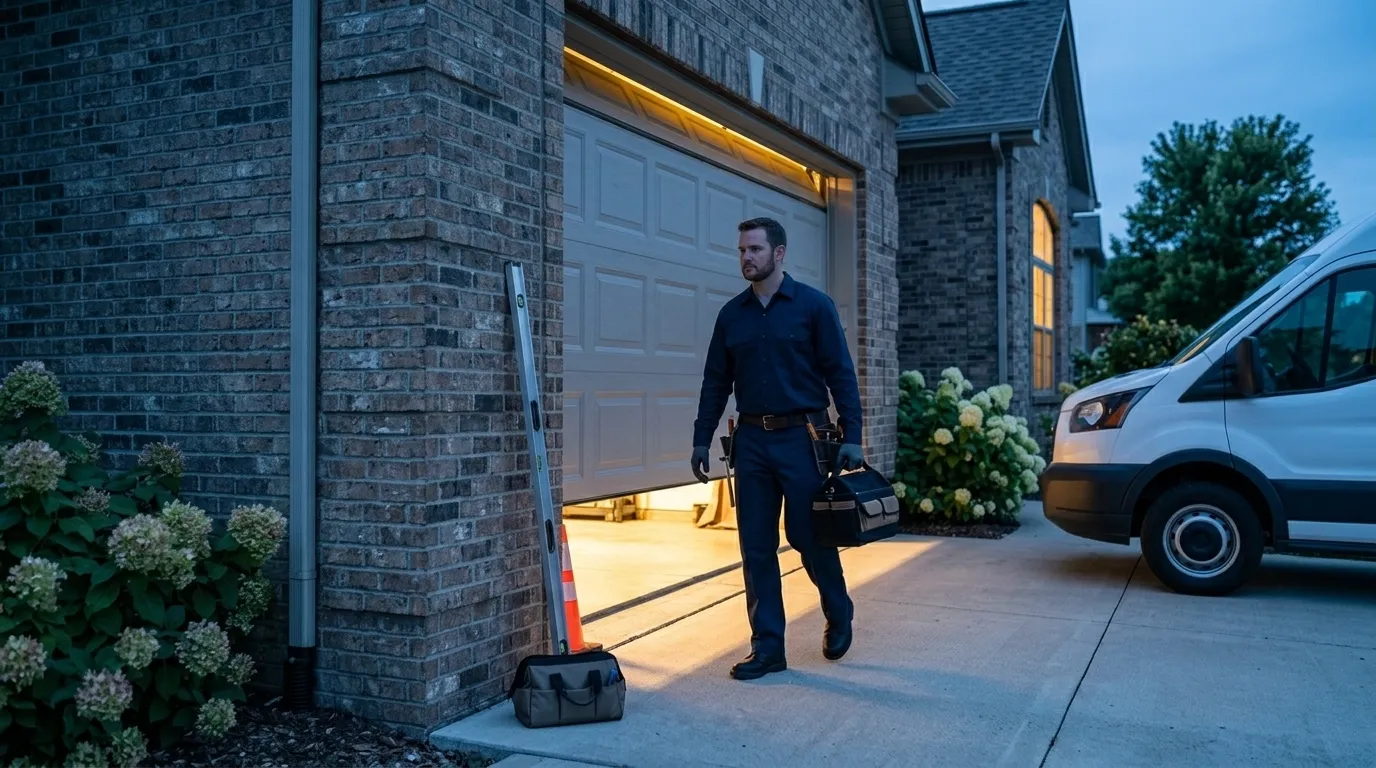
A look at jobs our crew has been on nearby.
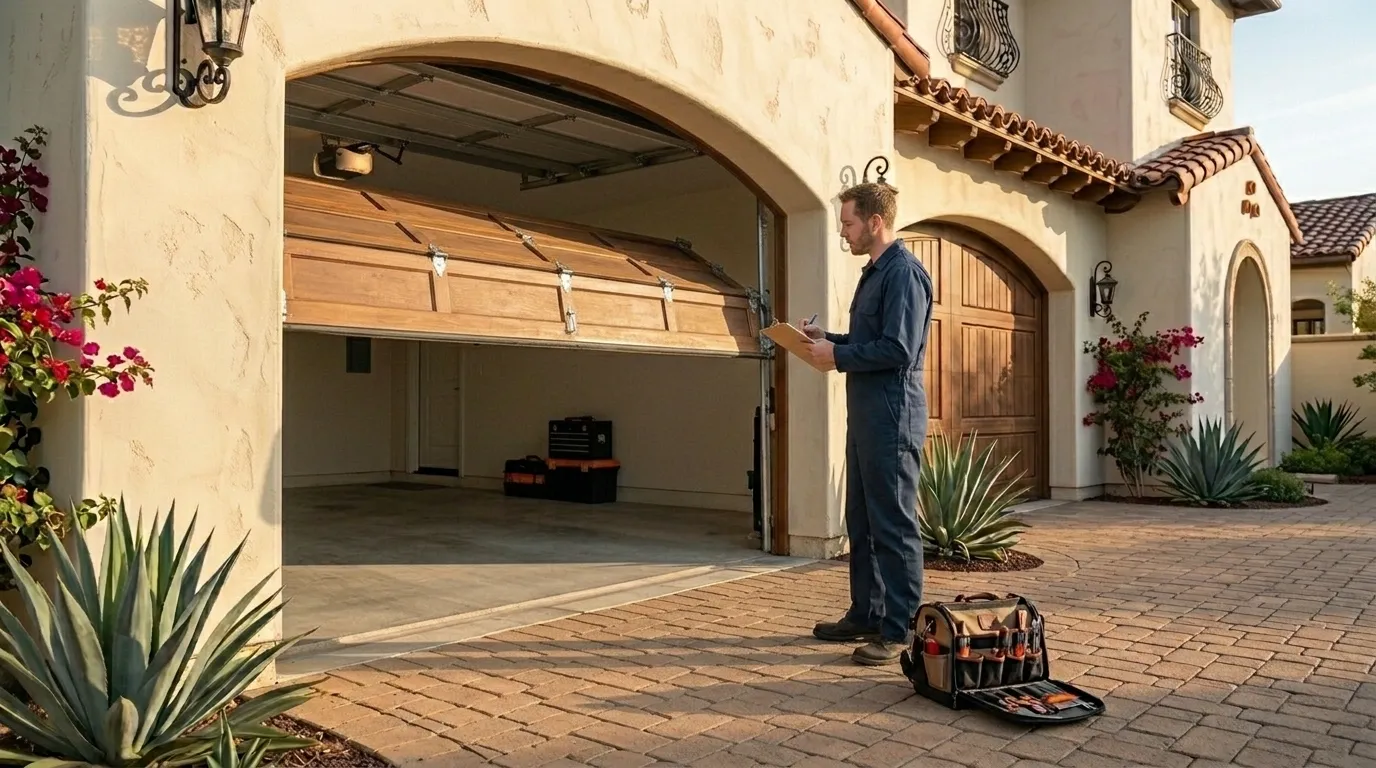
Why Live Oak Calls Us
Frequently Asked Questions
How often should a garage door in Live Oak get serviced?
Once a year is the baseline we'd recommend, but given how many doors here date to the early 90s and the heat this area sees, twice a year catches wear before it becomes a stuck door or a snapped spring. If your opener or spring is original to the house, lean toward the more frequent end.
Why does my opener act up more in summer?
Heat expands the steel door slightly and dries out lubricant faster, and older circuit boards - common on houses built around 1994 - are more sensitive to high temperatures than newer ones. Combined, that's often why an opener that worked fine in spring starts stalling or reversing once the heat sets in.
Is it worth fixing an original 1990s opener or should I replace it?
Depends on the fault. A worn gear or belt is a straightforward repair. A flickering logic board on a unit that old usually isn't worth chasing - we'll tell you honestly when repair costs start closing in on replacement cost.
Do you have a location in Live Oak?
No, we work out of San Antonio and drive out to Live Oak for maintenance and repair visits. There's no local branch, just a truck stocked for the door types common in this area.
Need Maintenance & Tune-Up in Live Oak?
Call now for straight answers on cost and timing.