
Roller Replacement in Live Oak
Roller Replacement for Live Oak's 1990s Garage Doors
Live Oak homes went up mostly in the 1990s, and that era's rollers wear a specific way in Texas heat. Here's what that means for your door and your wallet.
- Licensed & Insured
- Same-Area Service Calls
- Upfront Pricing
What Happens When You Call
-
1
Call or Request a Quote
Tell us what the door is doing and roughly how old the house is - that alone points us toward the likely part before a truck leaves.
-
2
On-Site Diagnosis
A tech checks the spring, cables, tracks, and opener in person and tells you plainly what is actually wrong.
-
3
Straight Price, No Surprises
You get a number before any work starts. It covers parts and labor, nothing added after the fact.
-
4
Fixed the Same Visit
Most repairs are done in one trip. If a part needs sourcing, we tell you that upfront instead of guessing.
Doing It Yourself
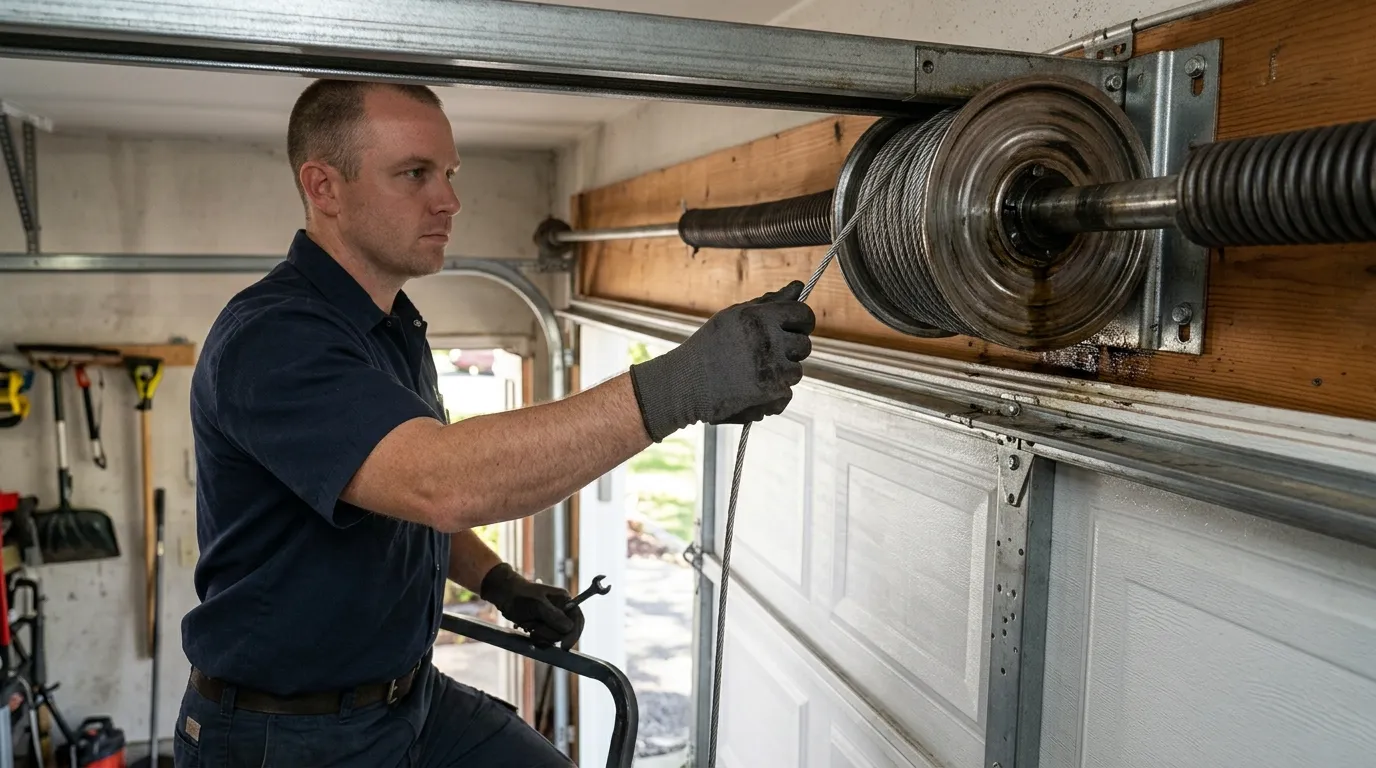
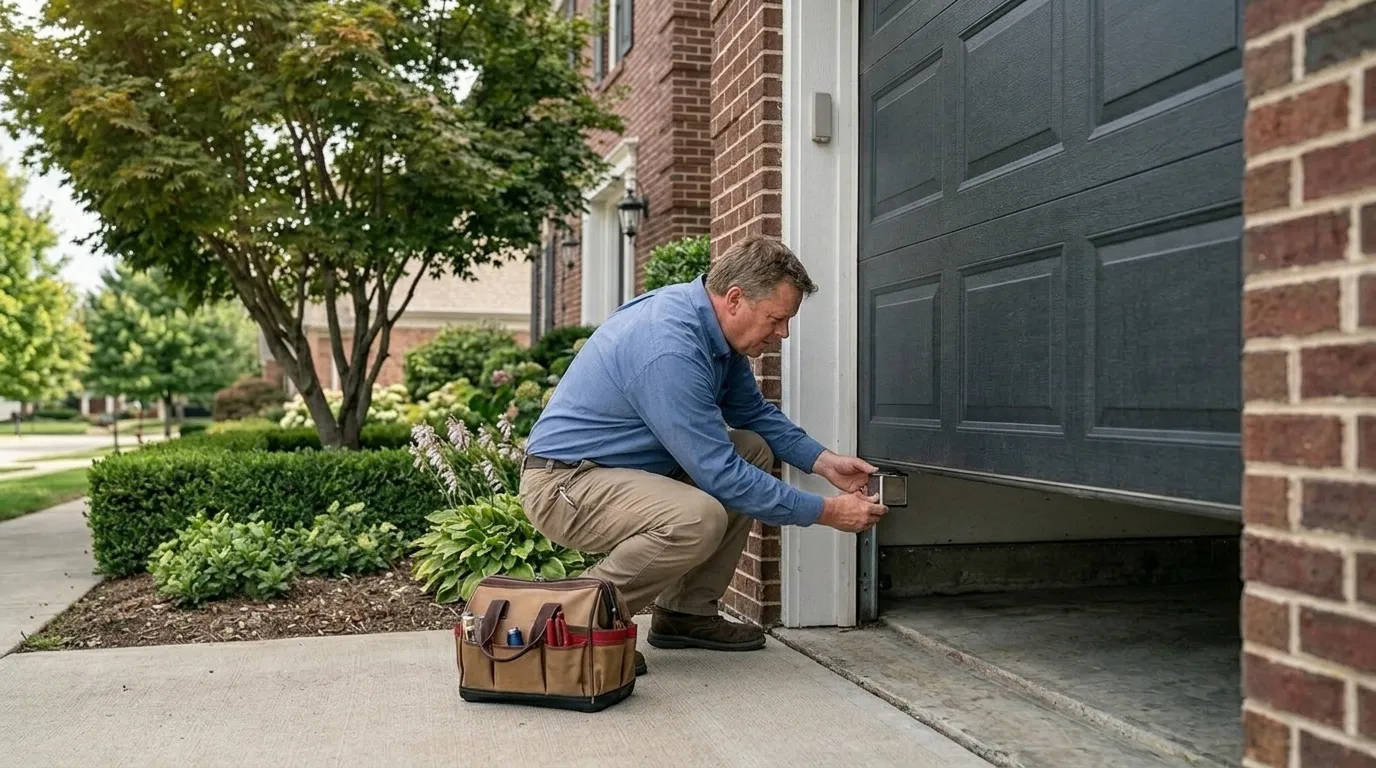
Swapping a roller or two on the bottom panel, where there's no spring tension pulling on the track, is a reasonable weekend job if you're comfortable with a socket wrench and you already own the roller. Pull the hinge pin, slide the old roller out, slide the new one in, done.
What we don't recommend is working the top rollers or anything near the vertical track while the door is under spring tension. On a lot of the doors built in Live Oak's big construction wave in the early-to-mid 1990s, the top roller brackets sit close to the torsion spring assembly, and a slipped bracket under load is how people end up in the ER, not the hardware store.
One honest limitation: if your rollers are original to a 1994-built door, chances are the track itself has worn grooves that match the old roller's wear pattern. A new roller in an old groove can bind and just fail again in a few months. That's a track inspection call, not a five-minute swap, and it's worth having someone look at the whole assembly before you buy parts twice.
What Causes It Around Here
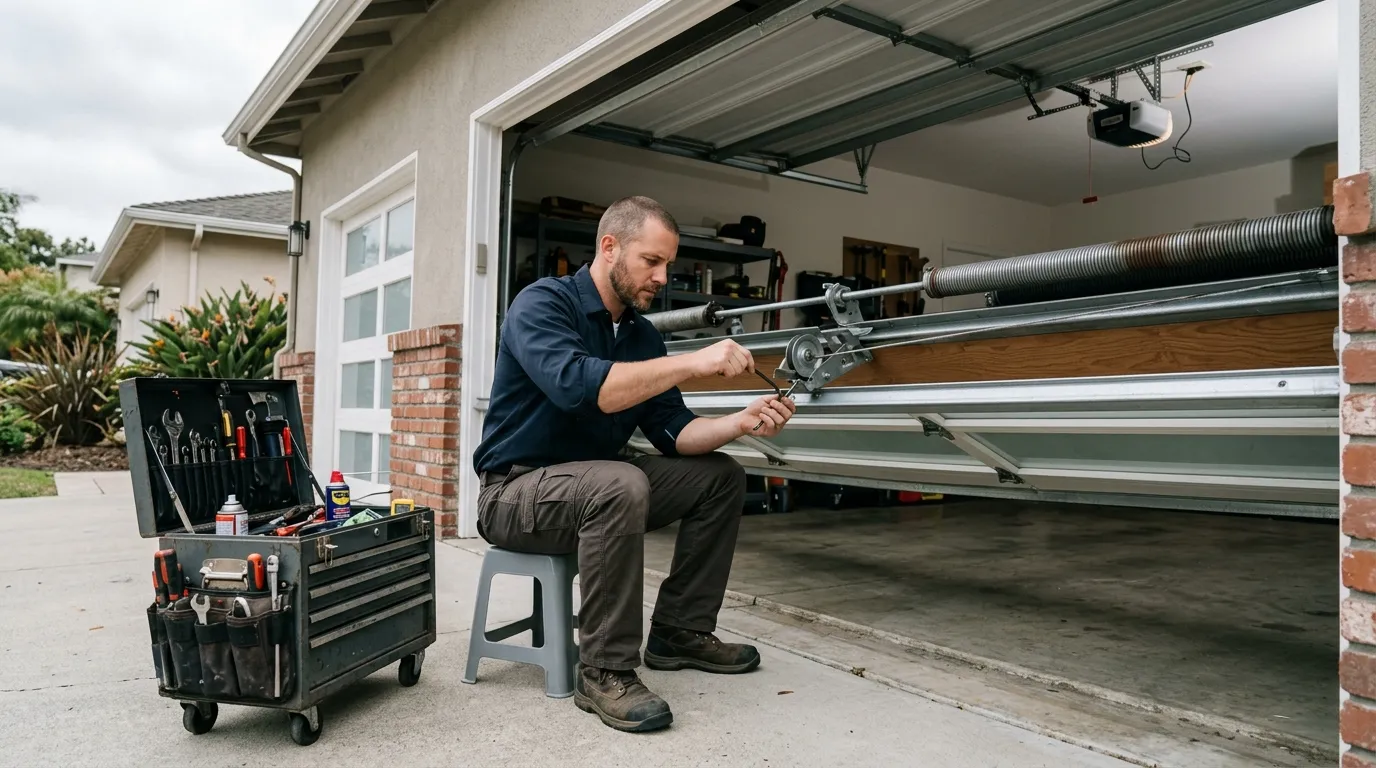
Live Oak's housing stock centers on 1994, which puts most of these doors in the era when builders switched from steel rollers to cheaper plastic and nylon ones as standard equipment. Those rollers were fine for the first decade or so. Past that, in a climate this hospital hits with severe summer heat, the nylon gets brittle from repeated heat-cycling in a metal garage that can run well past 120 degrees on a July afternoon.
What we see on service calls out here isn't usually a sudden snap. It's a roller that's gone oval instead of round, so the door starts rattling and catching partway up the track before it finally seizes or cracks. If your door's original to the house and nobody's touched the rollers, that's most likely what's happening, not a spring or opener problem, even though it can feel like both at once.
The fix is straightforward once you know what you're looking at: swap the worn rollers for sealed-bearing steel ones that don't degrade the same way under heat, and check the track for the wear grooves mentioned above before calling it done.
What You Pay
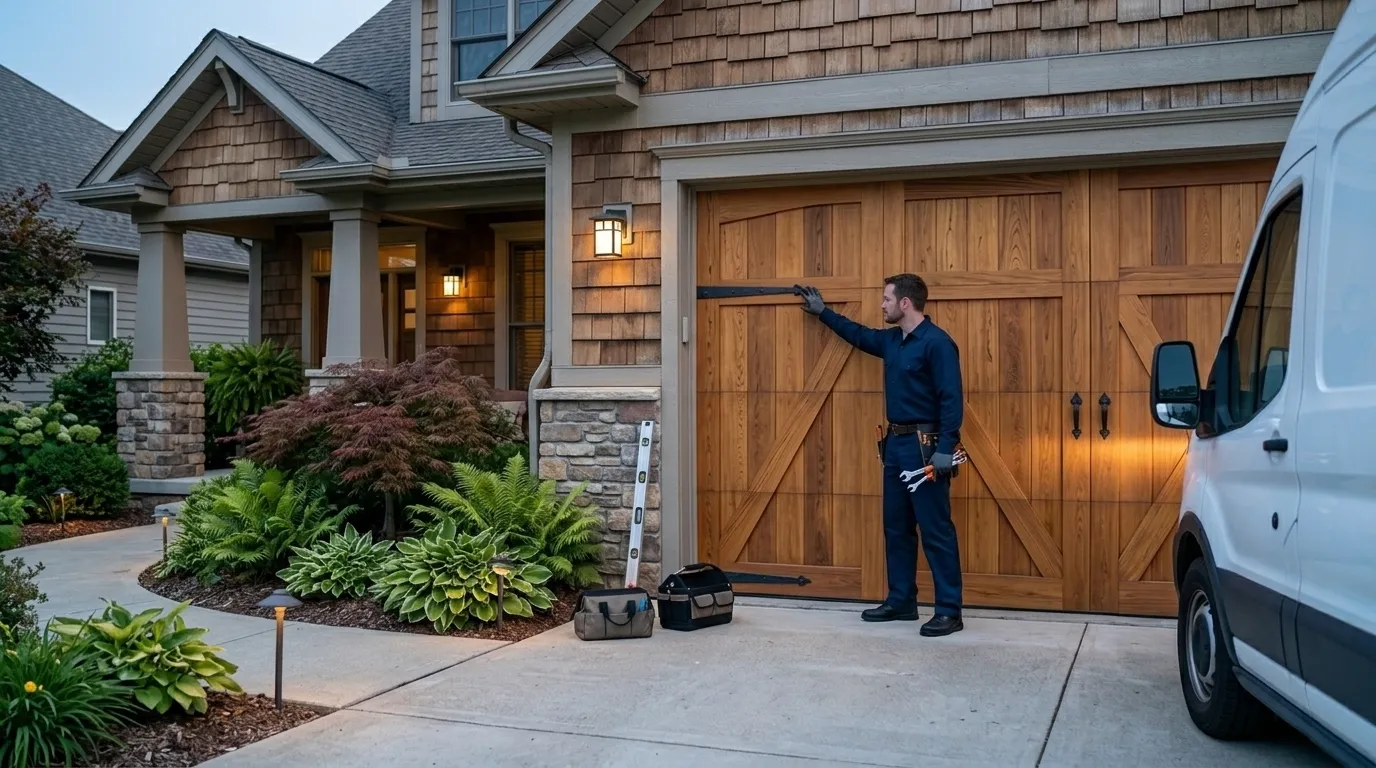
We don't post a flat number for roller jobs here because it depends on how many rollers need replacing, whether the track has matching wear, and whether you want plastic, nylon, or sealed-bearing steel. A full 10-roller swap on both sides costs more than patching two on the bottom, and a steel sealed-bearing roller costs more up front than plastic but doesn't come back in three years.
Live Oak's median household income sits at $78,092, which is lower than some of the neighborhoods closer into San Antonio proper, and we mention that because it's a fair question homeowners ask: is it worth paying for the better roller. For a door you plan to keep another decade, yes, usually. For a door you're planning to replace anyway, patching with the cheaper part makes more sense.
We'll give you a real number once we've looked at the door and the track, not before. Quoting a price before seeing the wear pattern is how people end up paying for parts they didn't need.
How We Fix It
We come out from San Antonio, which is a 13-mile drive to Live Oak, so we schedule the visit rather than treat it as a same-day drop-in. Once we're there, the job starts with rolling the door up and down by hand a few times to watch how each roller tracks, since that tells us more than just looking at a stationary roller ever will.
We pull whichever rollers are worn, check the stems for rust or bending, and inspect the section of track where wear is heaviest, which on 1990s-era doors is usually the last two feet before the horizontal curve. If the track itself is grooved out, we'll say so before we touch anything else, because a new roller in a bad groove doesn't fix the noise, it just delays it.
With about 6,691 households in Live Oak, most on similar-age construction, this is a job we do the same way house to house: replace, test under full open-close cycles, and make sure the door isn't binding anywhere along the run before we call it finished.
What Is on the Truck
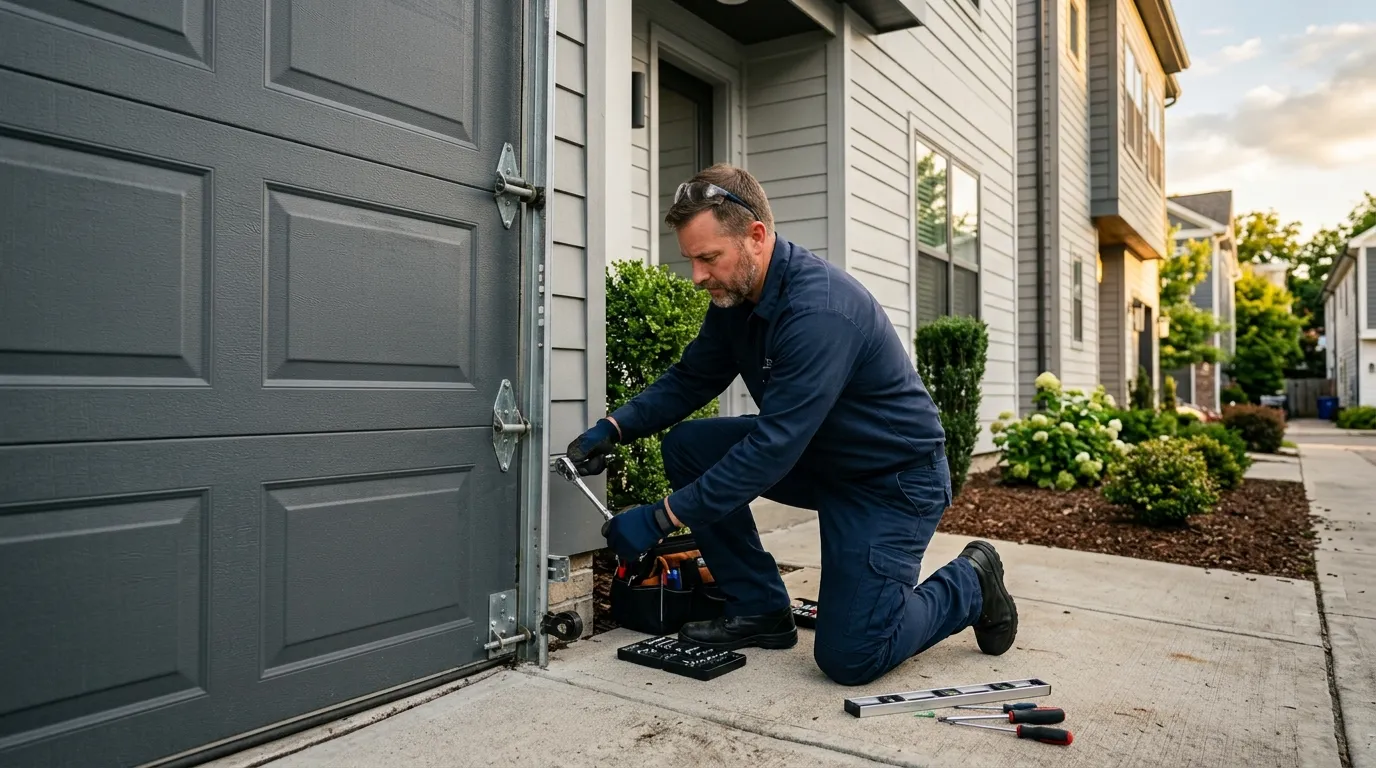
For a service area built mostly between the 1980s and 2000s, we carry the roller sizes that fit that generation of track and hinge standard, plus the sealed-bearing steel upgrade for anyone who wants to stop replacing rollers every few years. Nylon rollers, steel rollers with open bearings, and sealed 11-ball-bearing steel rollers are all standard stock, along with the stems and hinges that commonly need swapping alongside them.
What we don't carry is every obscure roller size from doors installed before local building codes standardized track widths, so if your door predates the 1954 start of the housing range across this service territory, there's a chance we need to order a part rather than fix it on the spot. That's rare in Live Oak given how the housing here clusters in the 1990s, but it happens elsewhere in the territory, and we'd rather tell you that up front than pretend every truck carries every part.
Talk to a Live Oak Technician First
Describe what the door is doing and get a straight answer on what it likely needs.
Other Garage Door Services in Live Oak
Recent Work in Live Oak
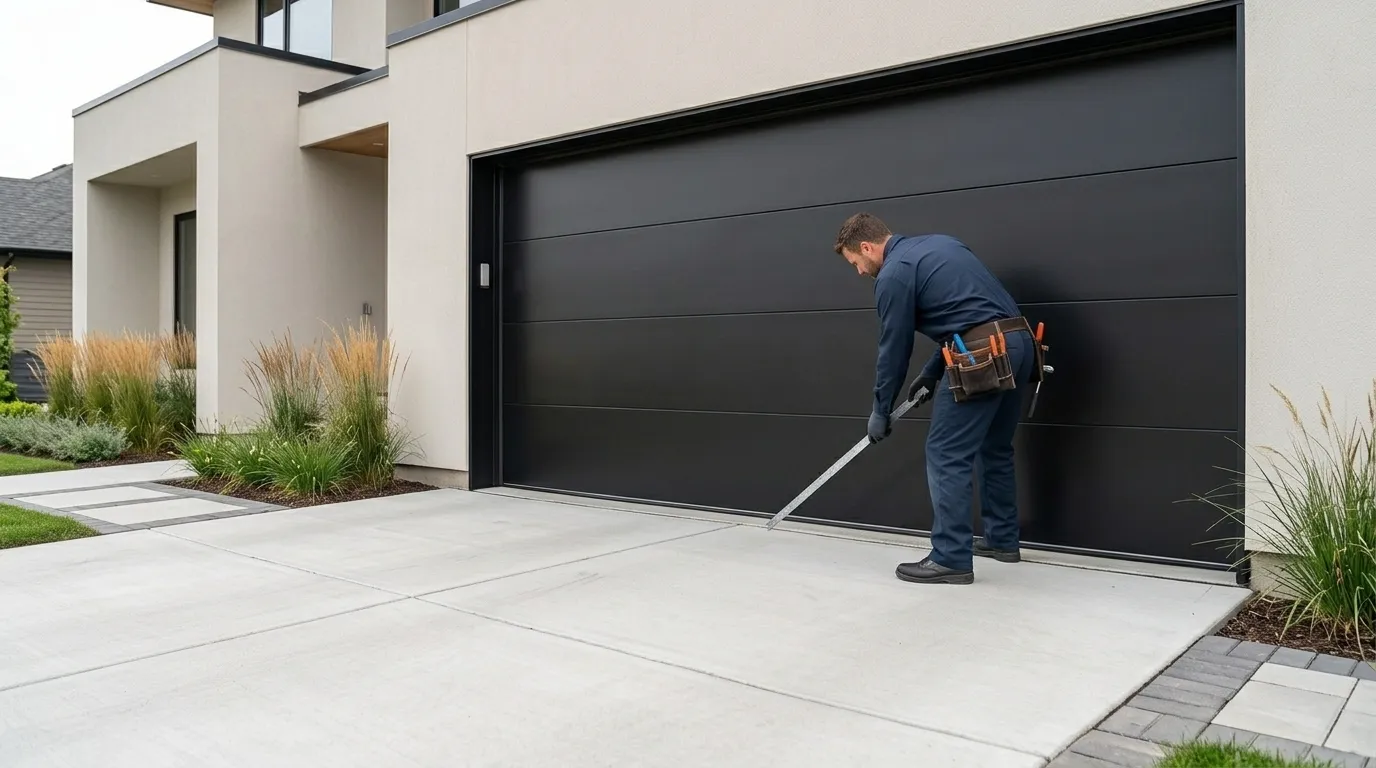
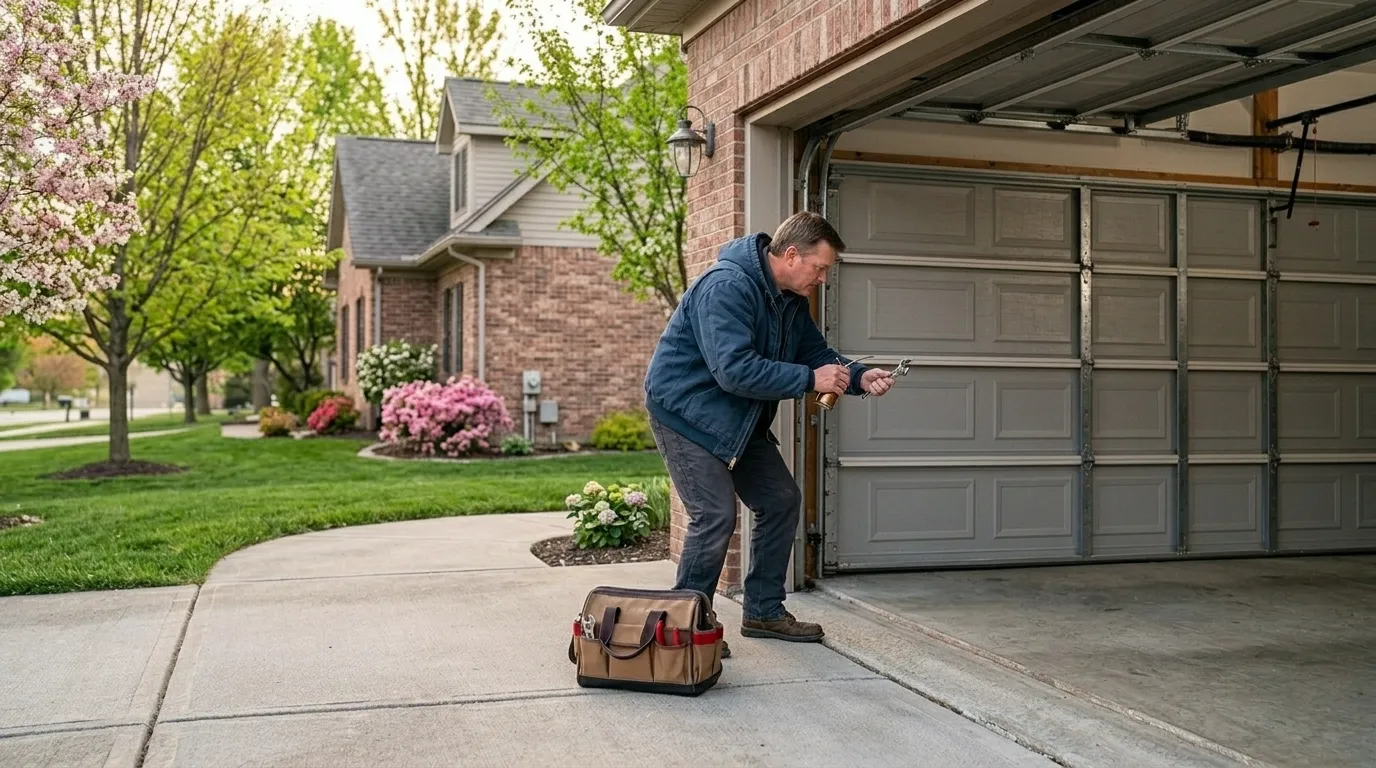
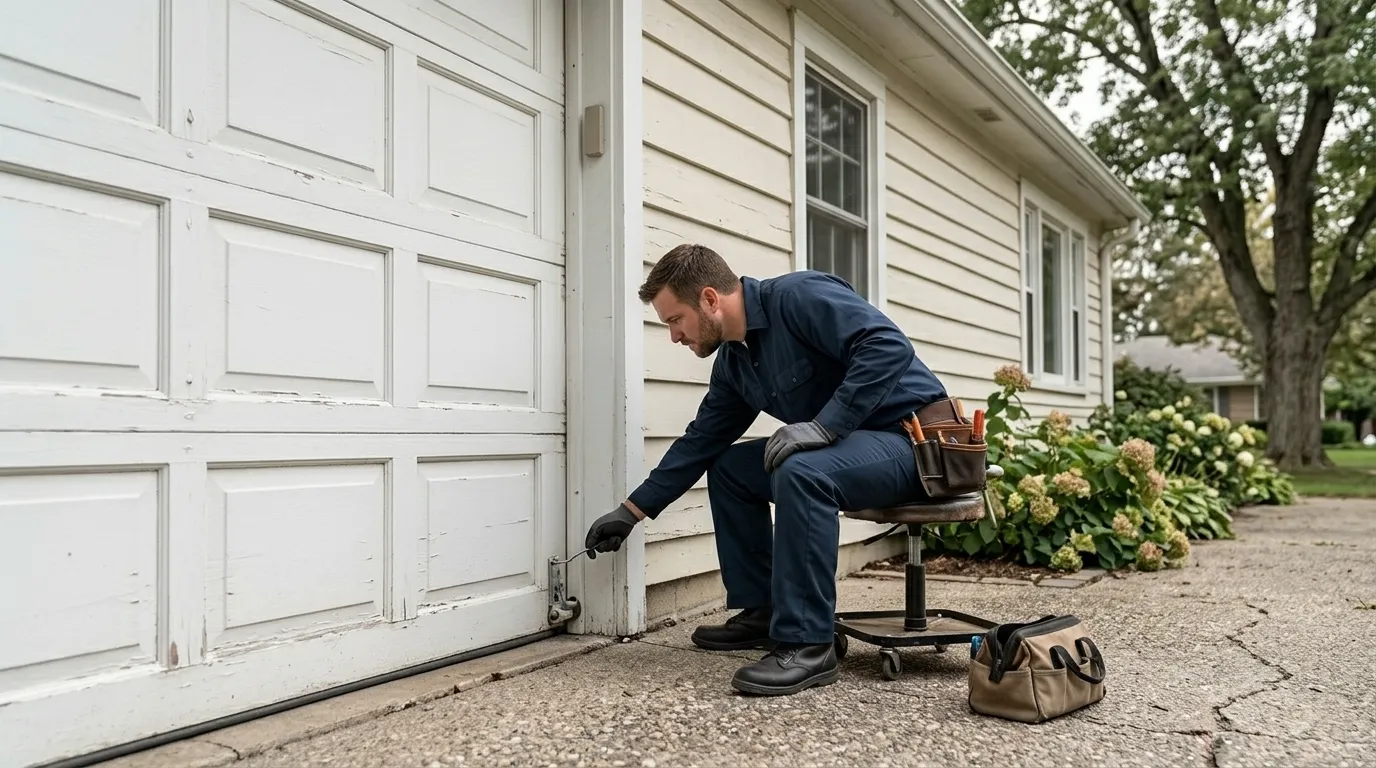
A look at jobs our crew has been on nearby.
Why Live Oak Calls Us
Frequently Asked Questions
Why do my garage door rollers keep cracking every few years?
If your house went up around 1994, like most in Live Oak, the original rollers were likely plastic or nylon, which is standard for that build era but doesn't hold up well to years of heat-cycling in a Texas garage. Sealed-bearing steel rollers cost more up front but don't crack the same way.
Can I replace just one roller instead of the whole set?
Yes, if only one or two are worn and the rest are still round and quiet. We check each roller individually rather than assuming the whole set needs replacing, since matching wear across all ten isn't guaranteed even on doors the same age.
Do you have a shop in Live Oak?
No, we run out of San Antonio and drive the 13 miles out for jobs in Live Oak. We schedule rather than treat every call as a drop-in, so it helps to book ahead rather than expect a same-hour arrival.
How do I know if it's the rollers or the track?
If the door rattles or catches at the same spot every time it opens, check that section of track for shiny grooves that match the roller width. A new roller in a worn groove will keep catching. We inspect both before recommending a fix.
Need Roller Replacement in Live Oak?
Call now for straight answers on cost and timing.