
San Antonio Garage Door Guide
What That Noise From Your Garage Door Is Actually Telling You
Grinding, popping, or squealing garage door in San Antonio? Here's what the noise means based on the age of your door and our summer heat, and when to call.
- Licensed & Insured
- Same-Area Service Calls
- Upfront Pricing
The Situation
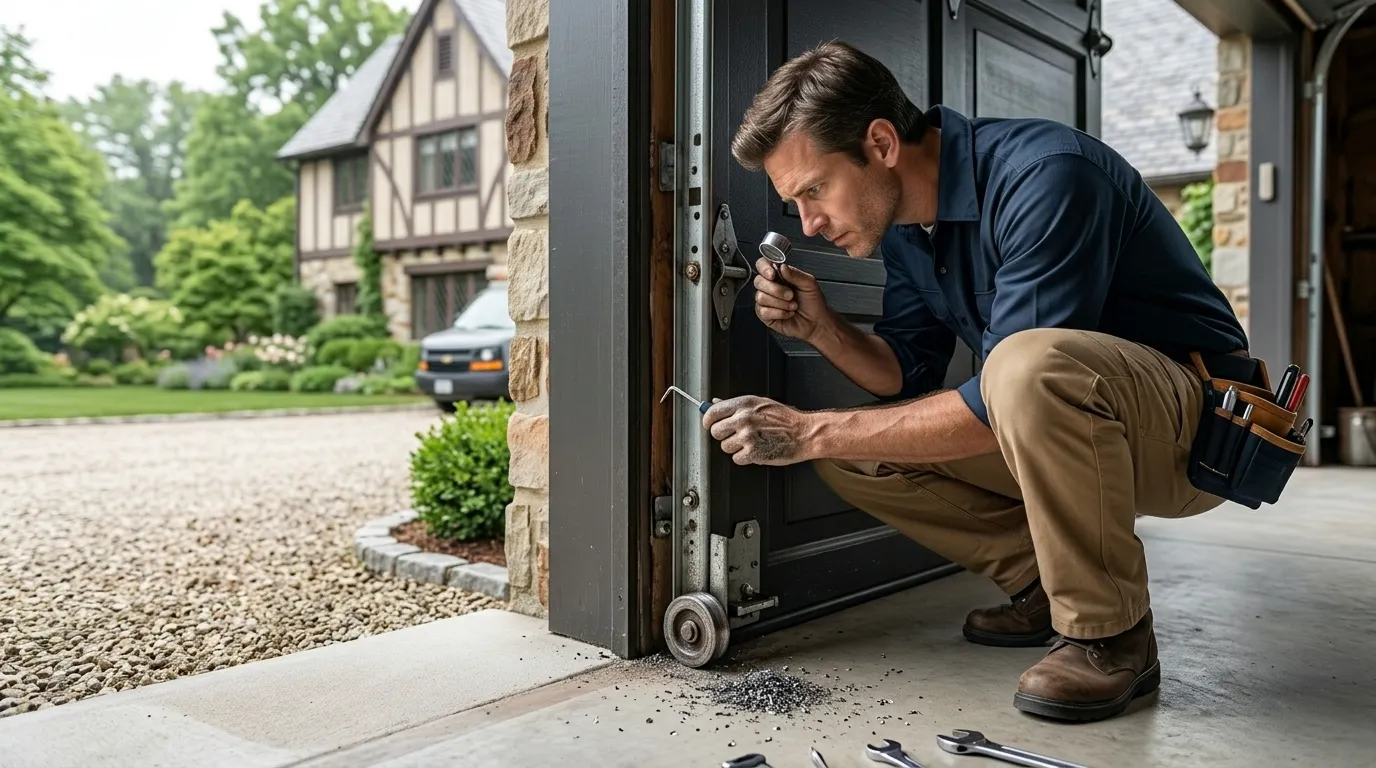
Most of the houses we get called to across San Antonio went up somewhere between 1954 and 2010, with the bulk of that stock built in the 1980s and 90s across neighborhoods like Woodlawn Hills, Crownhill Park, and Shearer Hills / Ridgeview. That range matters because it tells us what's inside your garage before we open the door. A house from the early 90s almost always has the original torsion spring setup and steel track from that era, and those parts are now thirty-plus years old even if the opener's been swapped once or twice. A newer build out toward Timberwood Park or Cibolo is more likely running a belt-drive opener with nylon rollers, which fail differently and usually quieter, right up until they don't. When you call in a noise complaint, the first thing we ask isn't 'what does it sound like' - it's roughly how old the house is, because that narrows it down fast. A rhythmic thump every few seconds points to a flat spot on a roller or a bent track section. A sharp bang usually means a cable jumped its drum or a spring let go. A steady grinding as the door travels is often a dry or worn bearing plate at the top of the torsion shaft, which on original-hardware houses is original hardware.
What You Pay
We're not going to quote a number here that doesn't apply to your job, because torsion spring work, roller replacement, and track alignment all price out differently and depend on what's actually worn versus what's failed outright. What we will say is that in a service area where median household income runs around $100,076, we see a real mix of owners who fix the specific broken part and owners who use a service call as the trigger to replace an aging opener or spring set before it strands them. Neither is wrong. If your door is making noise but still opens and closes fully, that's usually a repair, not a replacement. If it's noisy and also hesitating, reversing, or dropping unevenly, the labor to diagnose and fix piece by piece can start adding up to where a full spring or hardware swap makes more sense than another patch. We'll tell you honestly which category your job falls into once we're standing in front of it - we don't upsell a replacement on a noise call unless the parts on the shaft actually show it.
How Local Conditions Play In
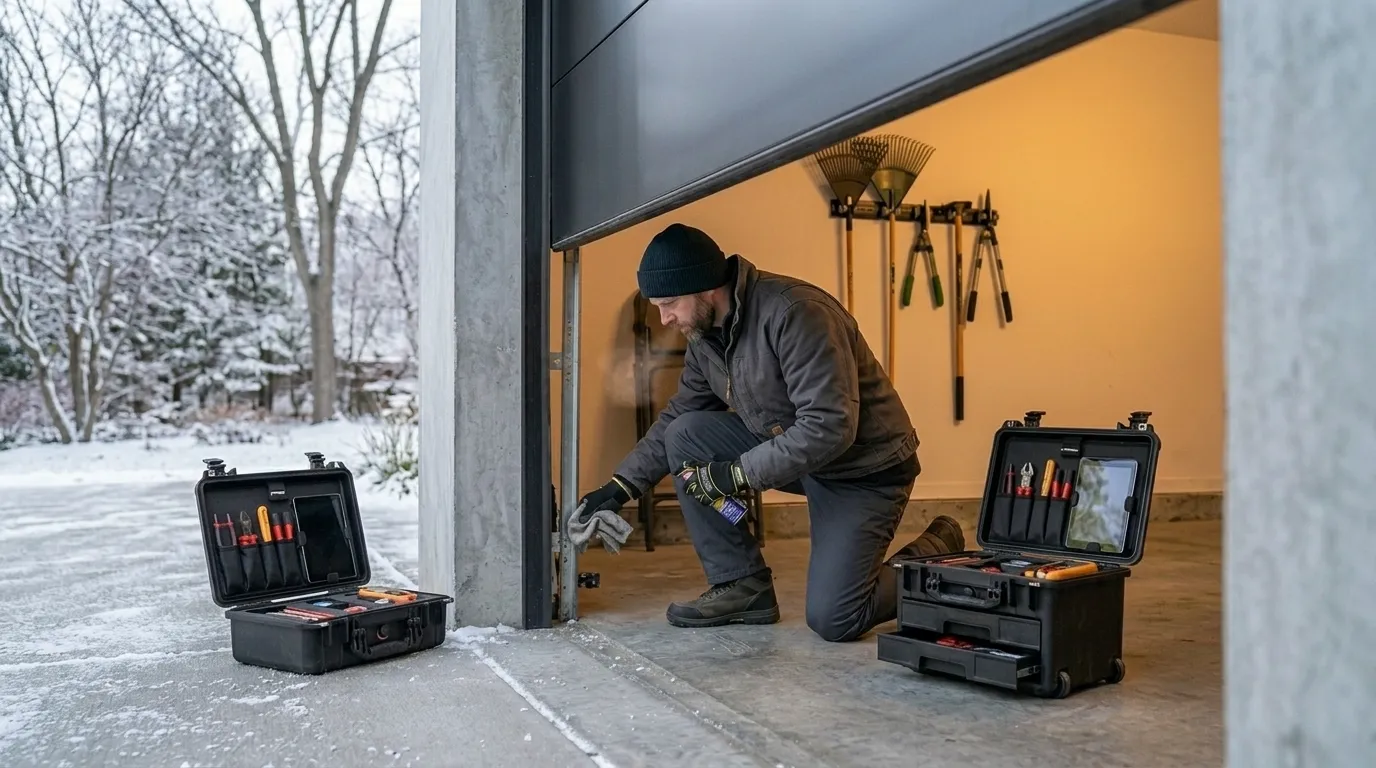
San Antonio sits in a severe heat band, and that's not just a comfort problem - it's a lubrication problem. Grease and oil-based lubricants on torsion springs and rollers break down faster in sustained high heat, which is exactly what pushes bearing plates and spring coils toward the dry, metal-on-metal grinding sound we hear on a lot of calls, especially on doors installed before the newer sealed-bearing hardware became common. Steel expands under heat too, and on older track systems - the kind still common on 1980s and 90s builds around North Central, Inner West Side, and Guadalupe Westside - that expansion can turn a track that was fine in cooler months into one that's suddenly binding a roller every summer afternoon. If your door only gets loud in July and August and quiets down by November, that's not your imagination. It's the same hardware behaving differently at different temperatures, and it's a strong sign the lubrication or the roller type is due for an upgrade rather than a full parts swap.
What Changes With the Season
The severe heat here doesn't just make things loud, it makes things loud on a schedule. Late spring through late summer is when we get the highest volume of noise calls, because that's when the heat has had months to dry out old grease and expand steel tracks that were installed decades ago on the 1954-2010 housing stock across this area. Cooler months bring the sound level down even on doors that clearly need work, which tricks some owners into thinking the problem resolved itself. It didn't - the metal just contracted back to a size where the misalignment is less pronounced. One honest limitation: we can't tell you over the phone whether a seasonal noise is cosmetic wear or an early warning of spring failure. Torsion springs don't usually give much notice before they let go, and heat-cycled fatigue is part of why. If your door has been getting noisier every summer for a few years running, that's worth a look before next season, not after it.
How We Can Help
Garage Door Repair
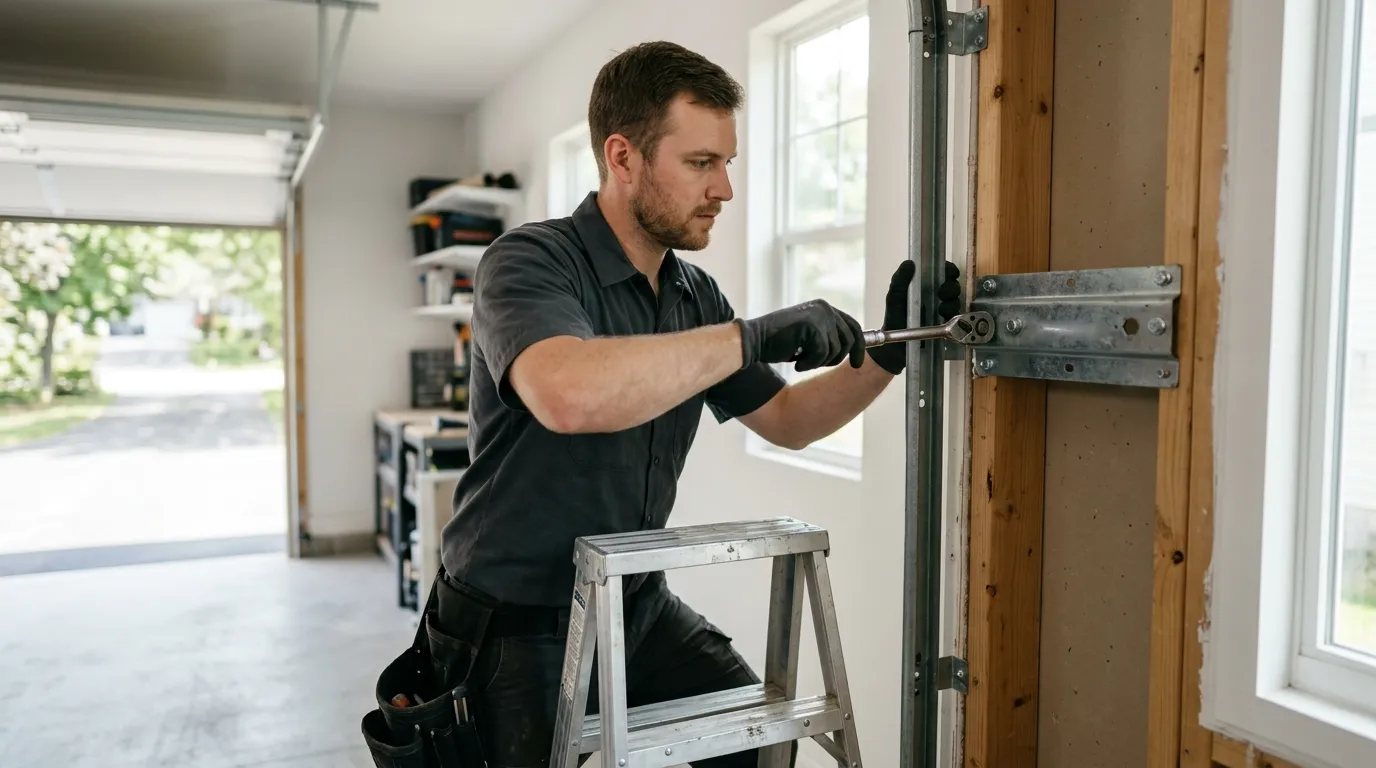
Springs, cables, tracks, rollers, and openers fixed by a tech who explains the problem before touching anything.
Learn more →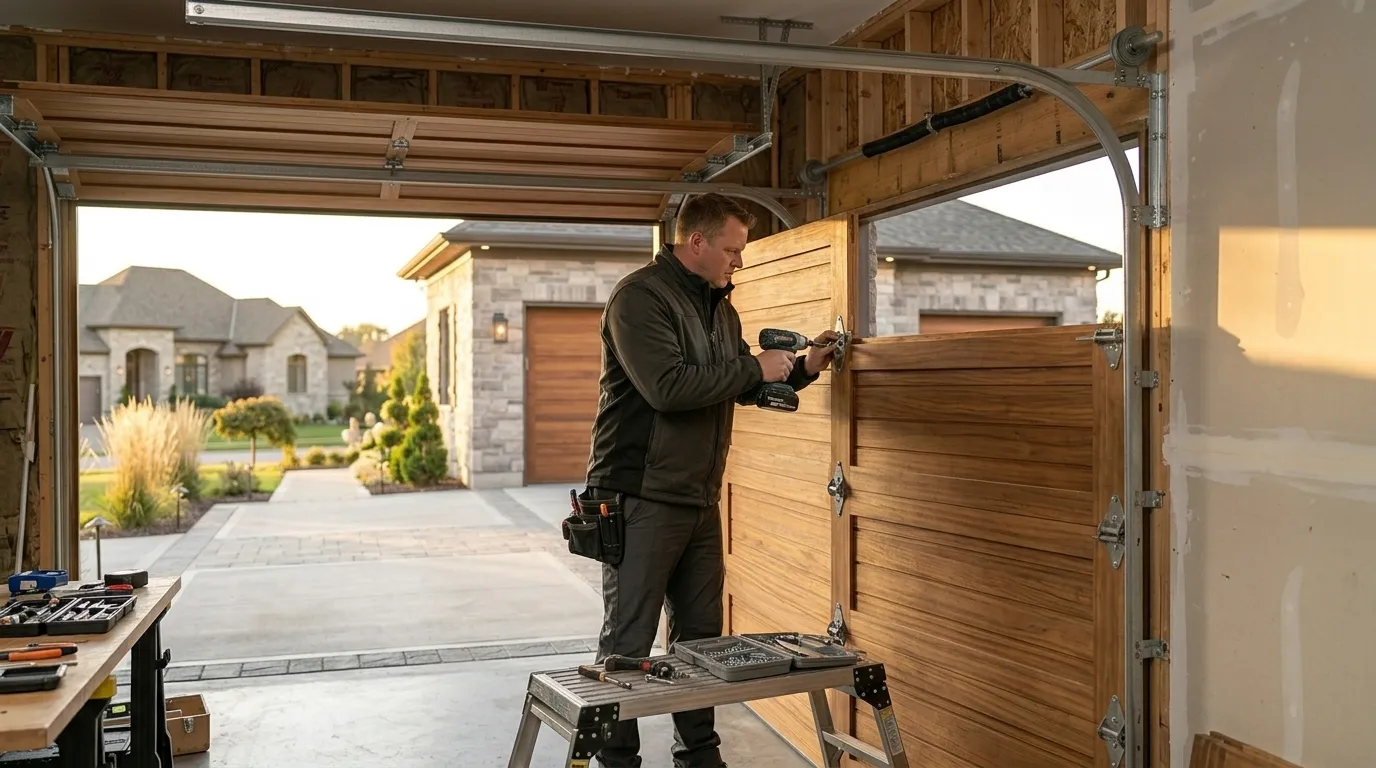
Garage Door Installation
New sectional doors sized and installed for the housing stock actually built in this area.
Learn more →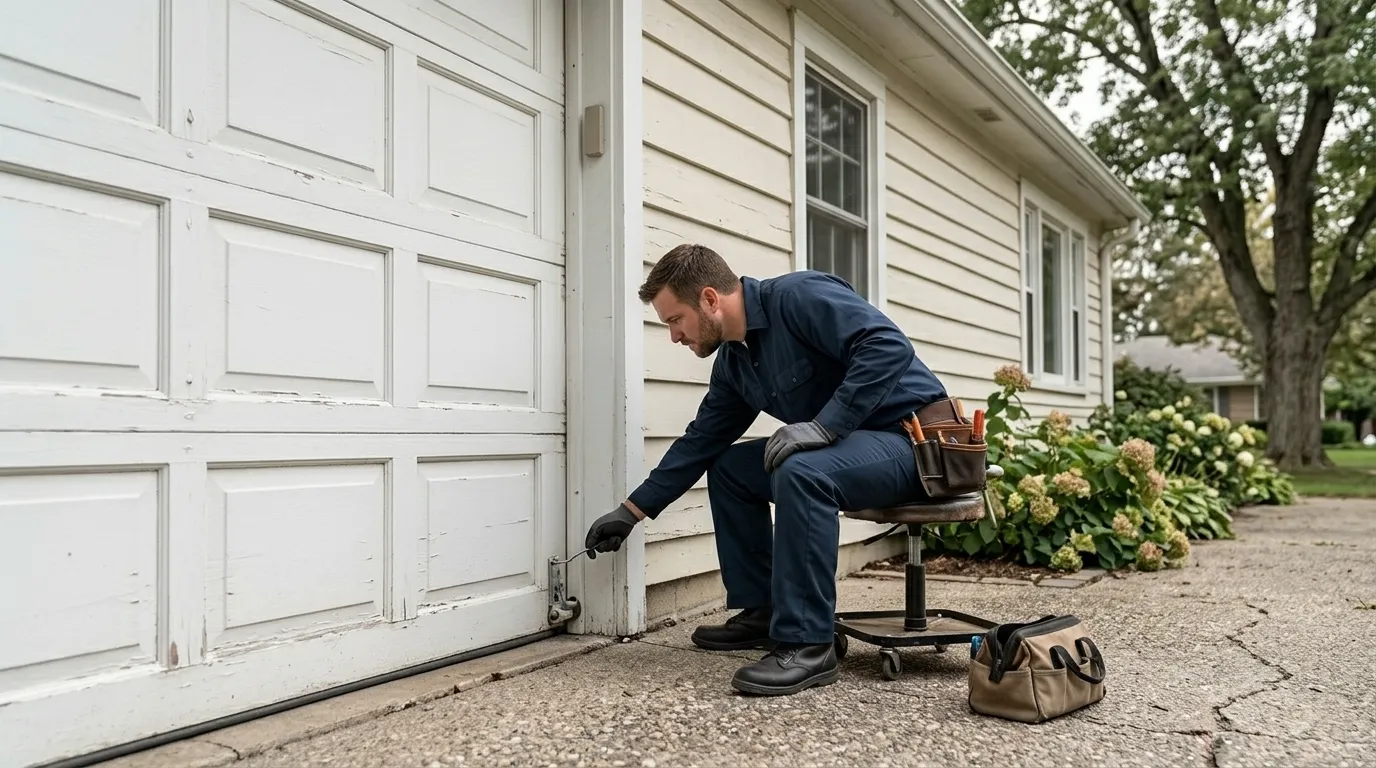
Garage Door Service
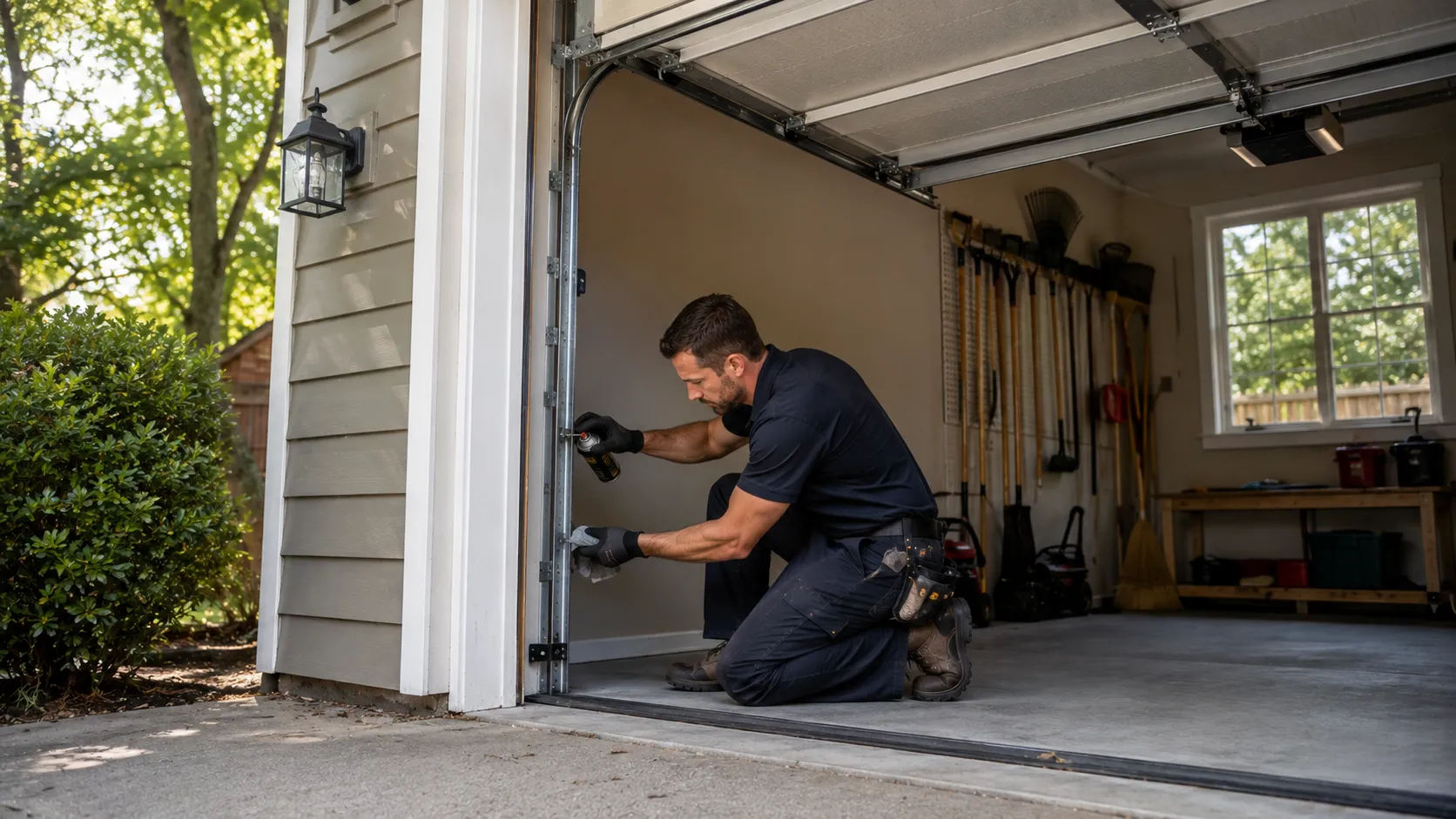
Tune-ups, lubrication, and safety checks that catch a small problem before it becomes a service call.
Learn more →Frequently Asked Questions
Why does my garage door only make noise in the summer?
Heat dries out grease on rollers and torsion springs and makes steel track expand slightly, which changes how rollers sit inside it. On older San Antonio houses with original hardware from the 80s or 90s, that shift is enough to turn a quiet door into a loud one every summer, then quiet back down once temperatures drop.
Is grinding always a spring problem?
Not always. Grinding often comes from a dry bearing plate at the top of the torsion shaft, which is common on hardware original to houses built in the 1980s and 90s. It can also be a worn roller. We check both before touching the spring, since spring work carries real risk if you're not set up for it.
My door is quiet again - did the noise fix itself?
No. Steel contracts as temperatures drop, which can mask a track or roller issue that heat was exposing. If the noise came and went with the seasons for more than a year, the underlying wear is still there and will likely come back louder next summer.
Have a Door That Needs a Second Opinion?
Call and describe what it is doing - we will tell you what it likely is.