
San Antonio Garage Door Guide
What an Older Door Is Actually Worth Fixing
Most San Antonio homes date from the 1954-2010 building boom, with heavy 1980s-90s stock. Here's how that age and our heat affect whether a repair still makes sense.
- Licensed & Insured
- Same-Area Service Calls
- Upfront Pricing
The Situation
Drive through any of the 24 areas we work in - Tobin Hill, Woodlawn Hills, Shearer Hills, Crownhill Park, the North Central corridor - and you're mostly looking at houses built between 1954 and 2010, with the median sitting around 1992. That means a huge share of the garage doors out there are original or one replacement removed from original, installed back when steel gauges were thinner and torsion springs were sized to lighter panel weights than what's sold today.
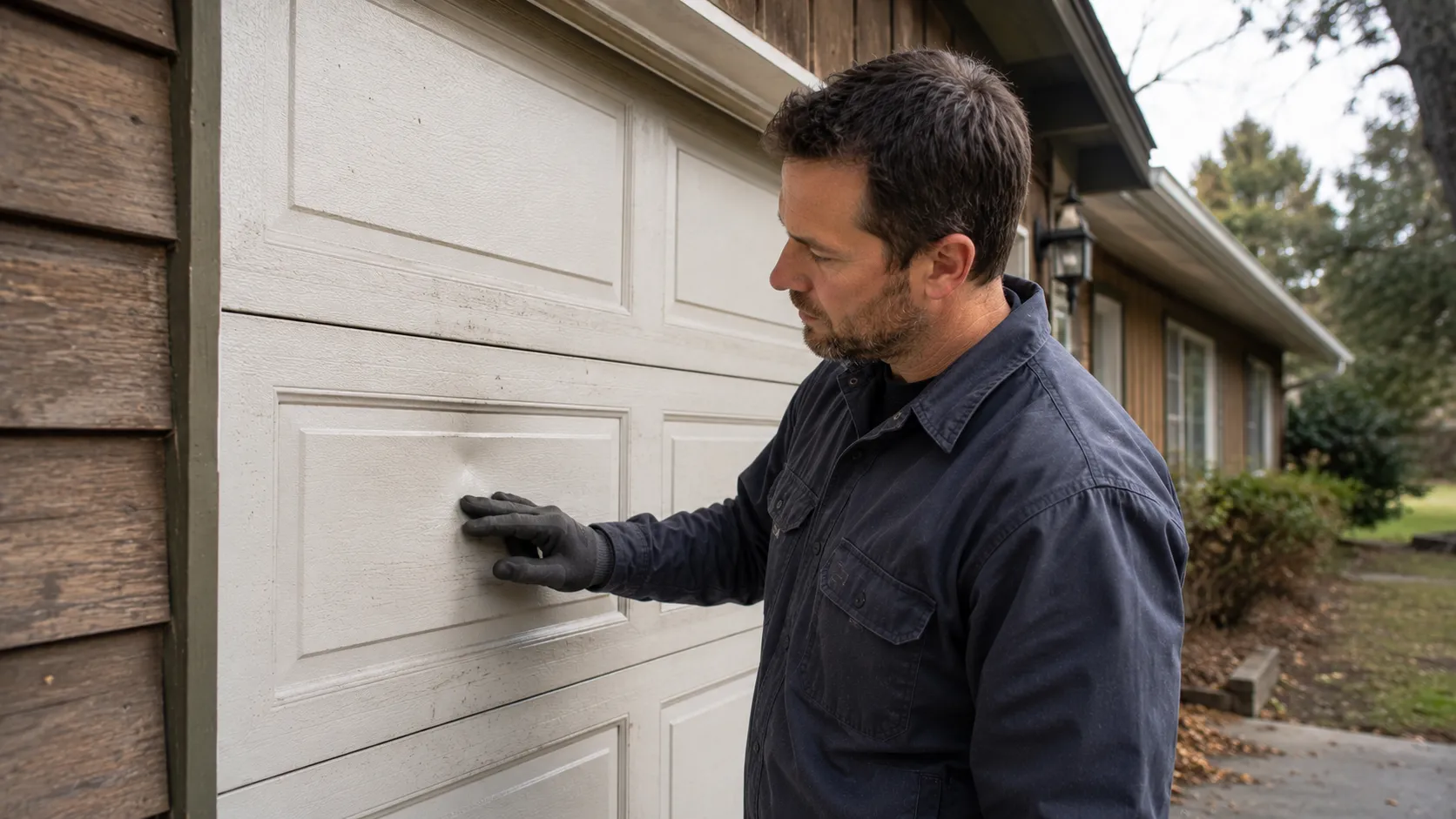
A door from that 1980s-90s window usually has a few known weak points: single-layer steel panels that dent and don't spring back, an opener from the same install that's outlived its gearbox, and hardware that was fine for the door it shipped with but gets pushed hard if a heavier insulated panel ever got swapped in later without upgrading the springs to match. None of this means the door is junk. It means the call has to start with what's actually failing, not a blanket age cutoff.
We've pulled panels off doors older than the house next to them and found the track and drums in better shape than a ten-year-old door that got a cheap builder-grade install. Age tells you where to look. It doesn't tell you the answer by itself.
What You Pay
I'm not going to hand you a number here, because what a repair costs depends on what's actually broken, and I'd rather tell you that straight than make up a figure that doesn't hold for your door. What I can tell you is how the local housing stock changes the math. A lot of the doors from that 1954-2010 build era use torsion spring setups that are still serviceable - springs, cables, and rollers are consumable parts on any door, old or new, and replacing them on a structurally sound door is almost always cheaper than a full replacement.
Where it stops making sense is when the door itself has failed: rotted wood panels, steel that's rusted through at the bottom section, or a frame that's racked from years of a spring imbalance nobody caught. At that point you're paying to patch something that's going to keep failing.
The honest limitation: we can't quote a fix-or-replace number over the phone or in an article. It takes someone standing in front of the door checking spring wind, track alignment, and panel condition. What we can tell you going in is that in this part of San Antonio, a repair on an otherwise sound 1980s or 90s door is usually the right first move, not the replacement.
How Local Conditions Play In
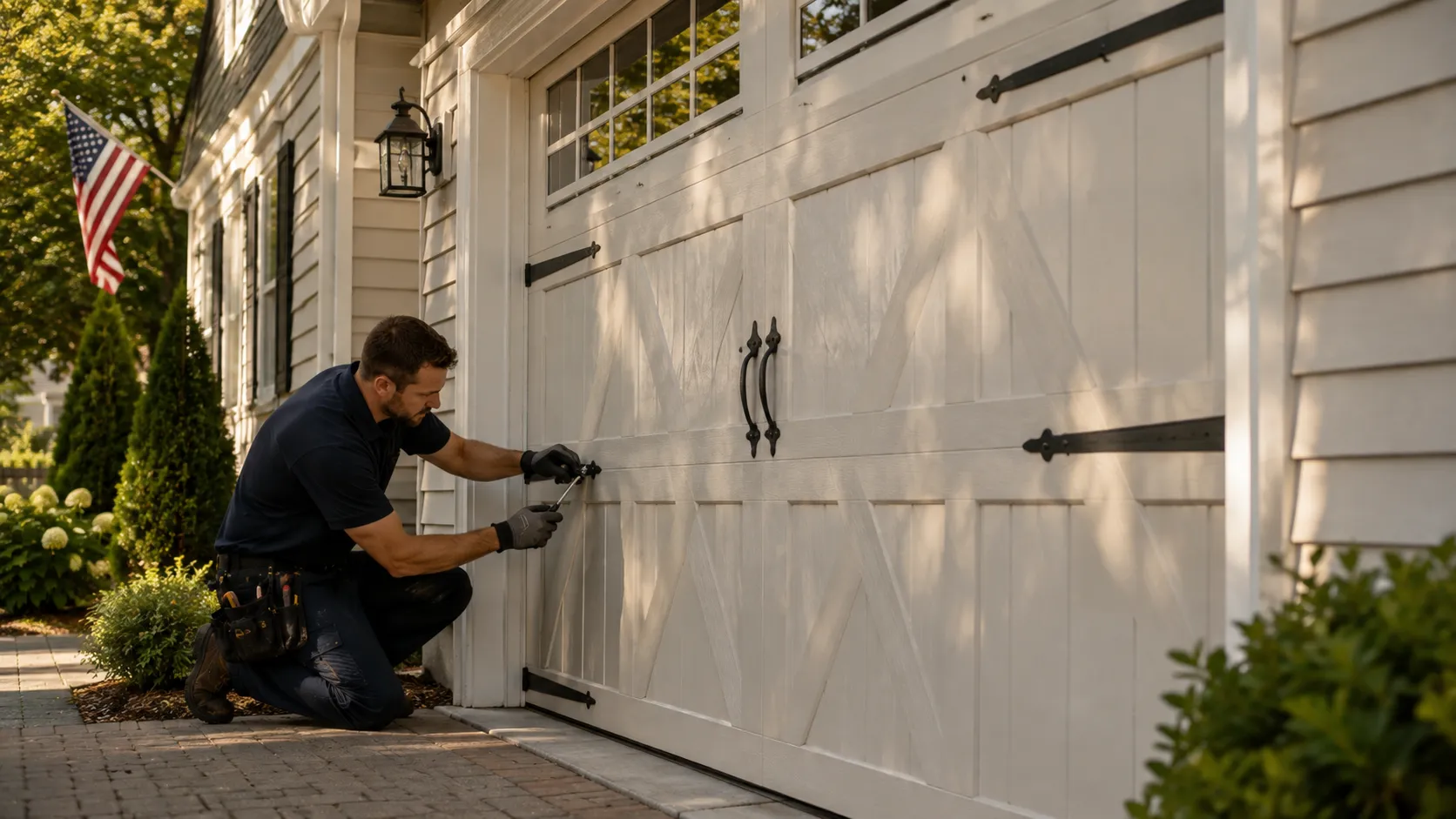
San Antonio sits in a severe heat climate band, and that matters more for garage doors than most owners expect. Steel panels expand in the afternoon sun and contract overnight, and over enough summers that cycle works on weld points, hinges, and the seams where panels meet. Openers take a hit too - the gearbox and circuit board both run hotter sitting in an attached garage that can climb well past the outside temperature by mid-afternoon, and that heat load shortens the working life of the drive components faster than it would in a milder climate.
Lubricant is the other piece. Standard grease breaks down faster under sustained heat, which is part of why rollers and hinges on an older door here tend to squeal or bind sooner than the manual's service interval suggests. None of this is dramatic - it's just the slow wear that comes from decades of Texas summers on hardware that was never rated for it.
Spring steel is the one part I'd flag hardest. A torsion spring that's been cycling through heat swings for 20-plus years is closer to the end of its rated cycle count than the same-age spring somewhere cooler, even if it looks fine.
What Changes With the Season
Because the climate here runs severe heat rather than harsh winters, the seasonal pattern on doors is the reverse of what you'd hear in a colder market. Summer is when we see the most spring failures and opener burnout - the combination of heat-softened lubricant and metal fatigue tends to pick the hottest stretch of the year to finally let go. It's also when garages get used as extra storage or workspace, so a door that's been slow or noisy for months finally gets noticed.
Cooler months bring fewer emergency calls but more chances to catch problems before they become one. If your door has been dragging or the opener's been straining, that's the window to get it looked at rather than waiting for it to fail on a 100-degree afternoon.
One thing I won't tell you is that seasonal service prevents every failure - it doesn't. A spring that's near the end of its cycle count is going to break regardless of when you last had it serviced. What seasonal attention does is catch the cheaper problems, cable fraying, roller wear, alignment drift, before they turn into the expensive ones.
How We Can Help
Garage Door Repair
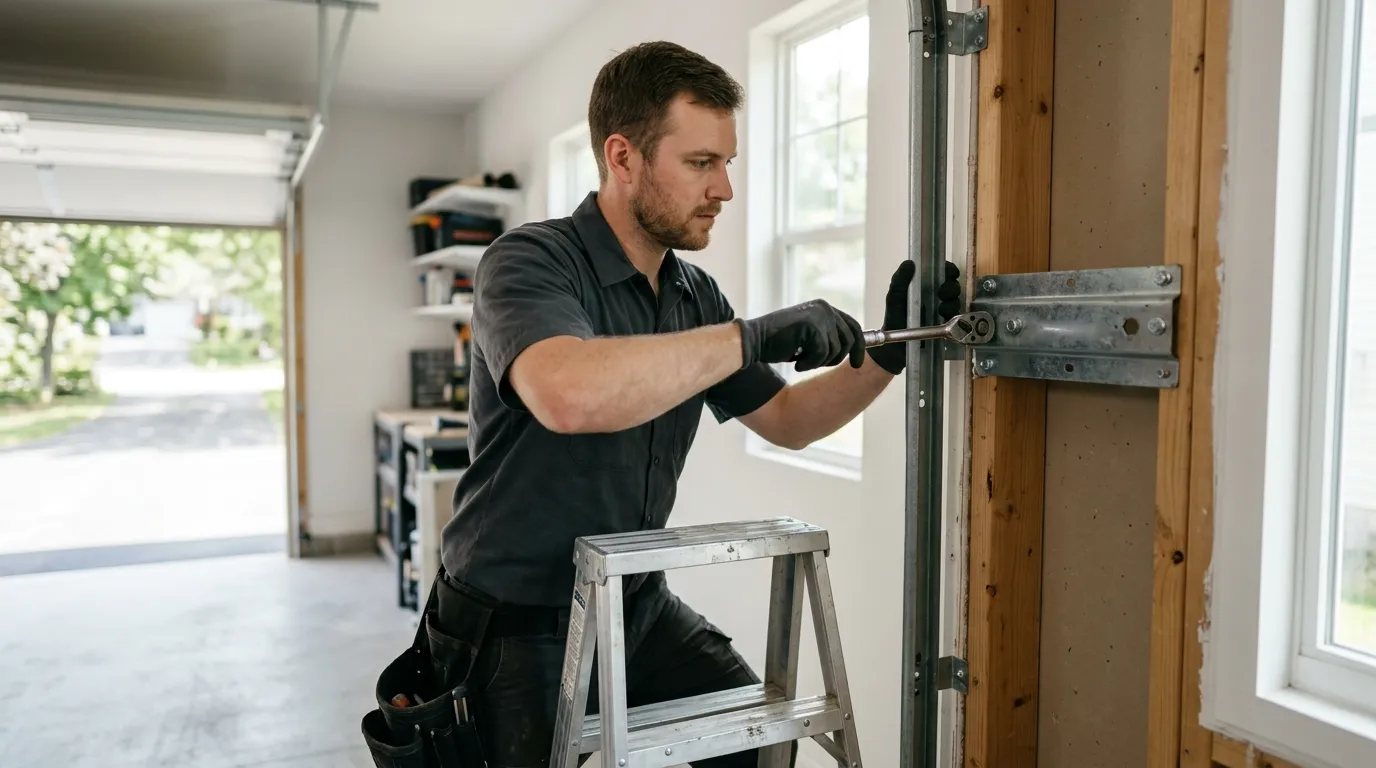
Springs, cables, tracks, rollers, and openers fixed by a tech who explains the problem before touching anything.
Learn more →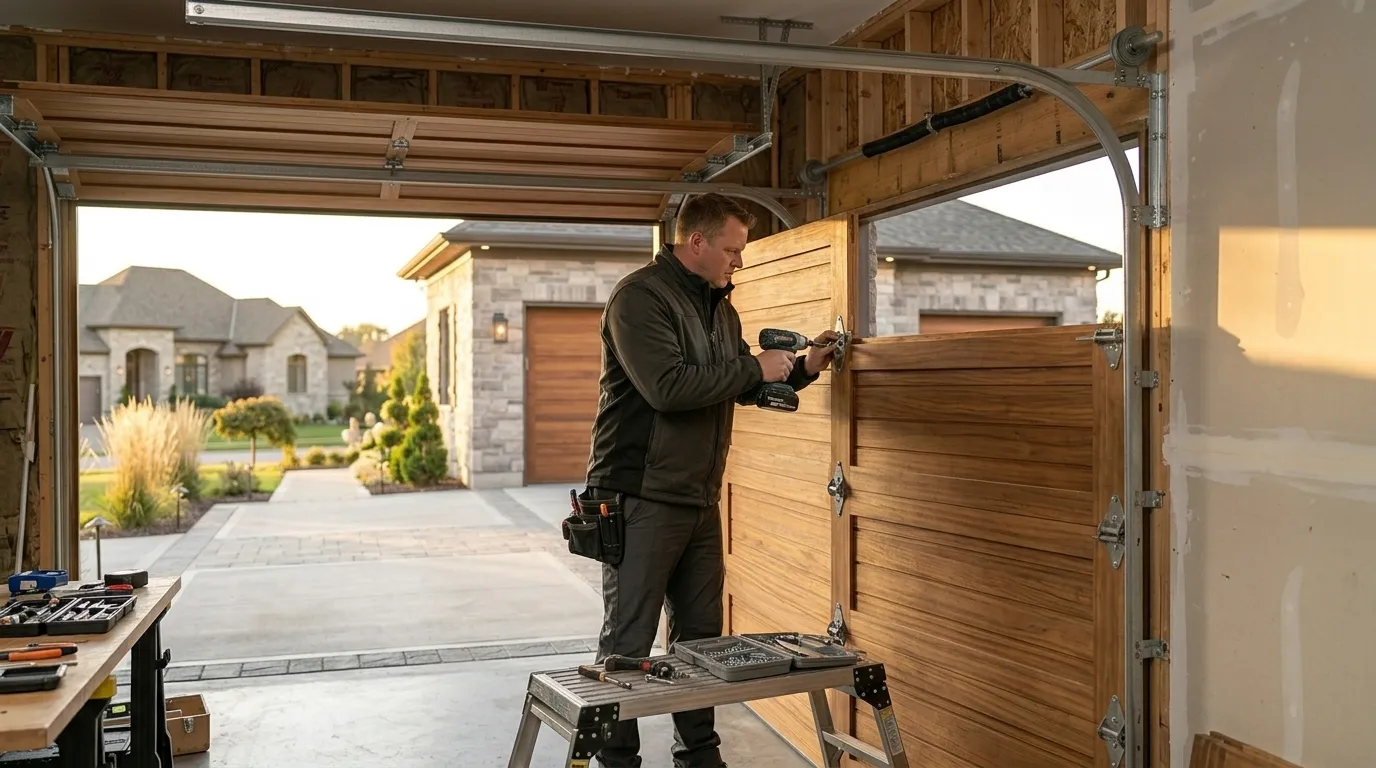
Garage Door Installation
New sectional doors sized and installed for the housing stock actually built in this area.
Learn more →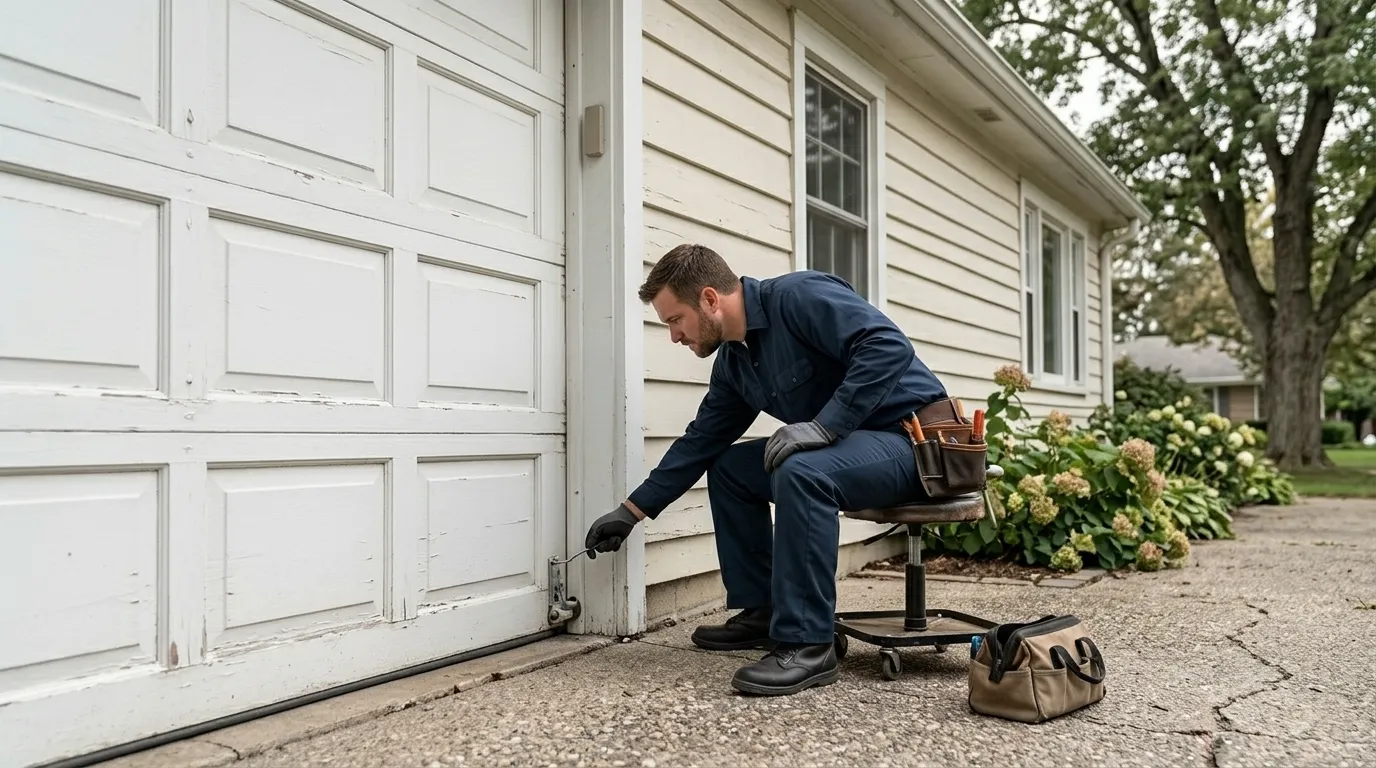
Garage Door Service
Tune-ups, lubrication, and safety checks that catch a small problem before it becomes a service call.
Learn more →Frequently Asked Questions
How do I know if my door is too old to fix?
Age alone doesn't answer it. A door from the 1980s or 90s with sound panels and a working frame is usually worth repairing. If the steel is rusted through, the frame is racked, or panels are cracked, replacement makes more sense than another patch.
Why do springs seem to fail more here in summer?
San Antonio sits in a severe heat climate band, and sustained high temperatures accelerate metal fatigue in torsion springs and break down lubricant faster. That combination tends to push aging springs past their limit during the hottest stretch of the year.
Can you give me a repair price over the phone?
Not honestly, no. Cost depends on what's actually failed, and that takes someone checking the spring wind, track, and panel condition in person. We can talk through likely scenarios, but a real number needs a look at the door.
Have a Door That Needs a Second Opinion?
Call and describe what it is doing - we will tell you what it likely is.