
San Antonio Garage Door Guide
Why Your Garage Door Lets in Heat and Draughts Here
San Antonio garage doors run 1954 to 2010 stock in severe heat. See why seals fail early here and what that means for draughts, dust, and your utility bill.
- Licensed & Insured
- Same-Area Service Calls
- Upfront Pricing
The Situation
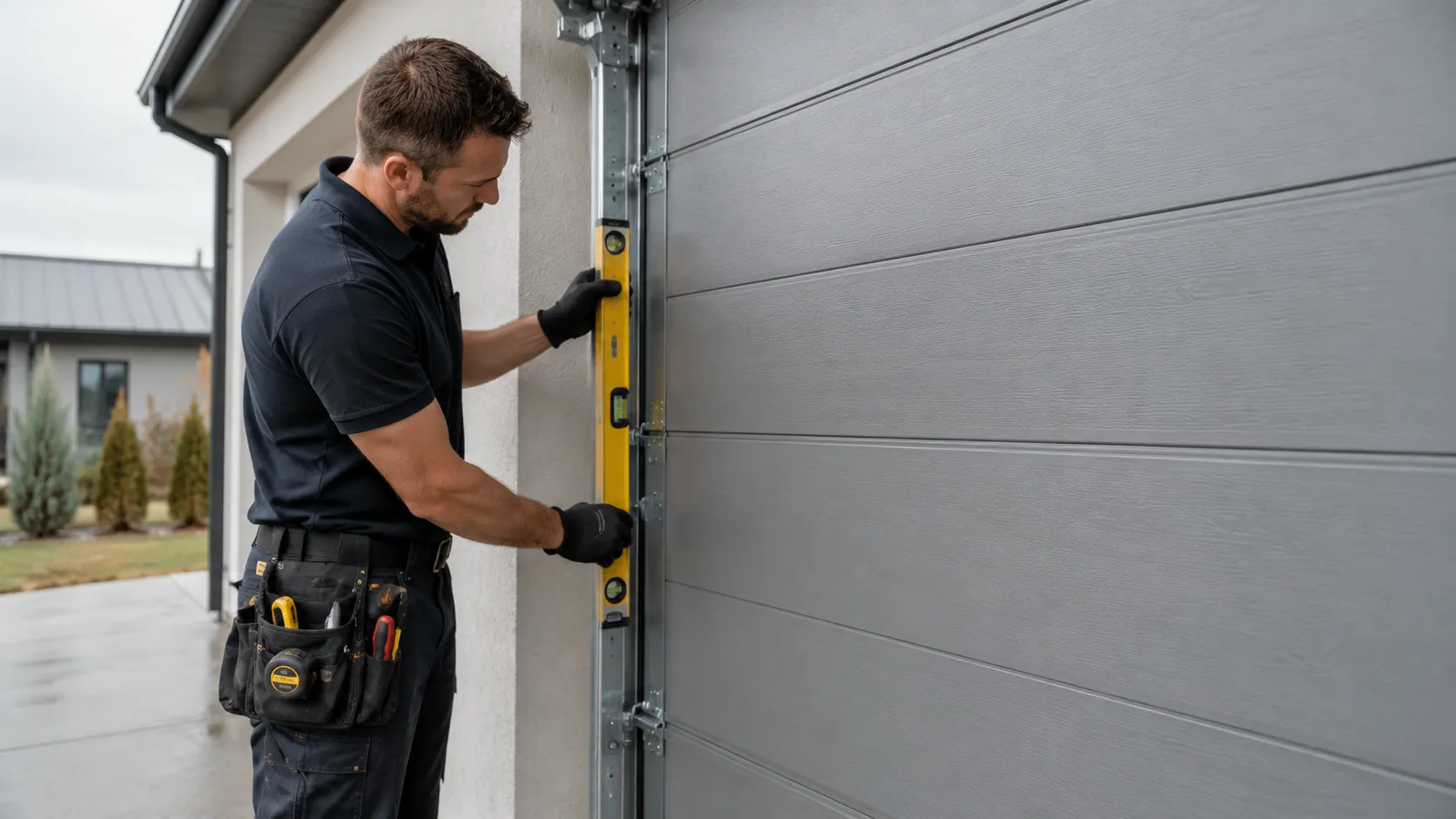
Most of the garage doors we get called on sit in houses built somewhere between 1954 and 2010, with the bulk of that stock dating to around 1992. That spread shows up across the areas we work close to home base - Midtown, Tobin Hill, Woodlawn Hills, South San Antonio, Downtown, Avenida Guadalupe, and the rest of the two dozen named pockets that ring the inner city. A door installed in the 1980s or early 90s almost never has the seal channel design you'd find on anything built after 2010. The bottom astragal is thinner, the side seals are often a flat strip nailed to the jamb instead of a routed channel, and after three decades of sun the vinyl has usually hardened and shrunk away from the frame. That gap is where you feel the draught standing in your own garage on a July afternoon, and it's where dust and pollen get in year-round. This isn't a defect - it's just what happens to a seal that's outlived its design life on a door nobody's replaced yet.
We don't treat every older door as automatically bad. Plenty of the torsion hardware from that era is still solid. It's the rubber and vinyl that gives out first, long before the springs or track do.
What You Pay
We're not going to hand you a number here that we can't back up, because seal replacement cost depends on door width, whether the track needs a new channel cut, and what's actually failed versus what just looks worn. What we can tell you is how we think about it for a household in this area: with a median household income around $100,076 across the service area, most owners we talk to want the seal fixed properly once rather than patched twice. A strip of adhesive-back weatherstrip from a hardware store buys you a season, maybe two, before the heat cracks it again. A proper channel seal sized to your door and installed square usually outlasts that by years.
The honest limitation: if your door is original to a house from the early part of that 1954-2010 build window, the track itself may be too far out of spec for a modern seal to seat right, and at that point we're talking about more than a seal job. We'll tell you straight if that's what we're looking at instead of selling you a seal that won't hold.
How Local Conditions Play In
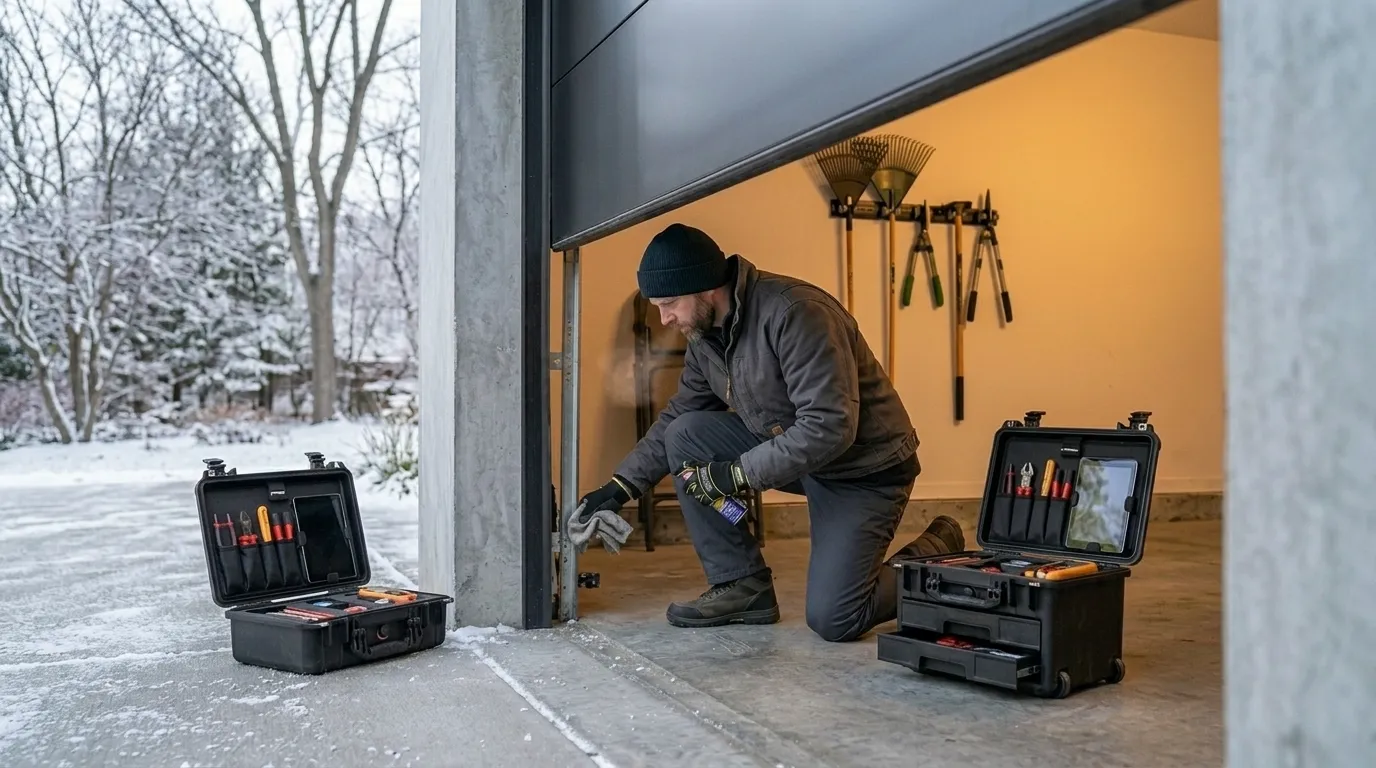
San Antonio sits in a severe heat band, and that's the single biggest reason seals here fail faster than the manufacturer's spec sheet suggests. Vinyl and rubber weatherstrip is rated assuming moderate temperature swings. Ours don't stay moderate. A steel garage door skin can run well above the surrounding air temperature on a sunny afternoon, and the seal pressed against that hot steel takes the brunt of it - UV breaks down the plasticizers in the vinyl, and the material goes from pliable to brittle over a few summers instead of a decade.
Once the seal's brittle, it stops flexing when the door closes, so instead of compressing against the slab it just sits there with a gap under it. That's the draught you feel, and it's also how conditioned garage air (if you've got a mini-split or insulated door) leaks straight back outside. On the 1980s-90s stock that makes up most of what we see, the bottom seal retainer was often sized for a thinner gasket than what's sold today, so a straight swap isn't always a drop-in fix - we sometimes have to change the retainer track too.
What Changes With the Season
The failure pattern here runs opposite to what you'd expect in a colder climate. It's not winter cold making seals stiff and cracking - it's the summer heat cycle repeating itself for months on end that does the real damage. A seal goes through its worst stress on the hottest days, when the steel door skin heats up fast in the morning sun and cools some overnight, expanding and contracting the vinyl against the track every single day from roughly April through October.
By late summer, the seals that were marginal in spring have usually let go for good, and that's when we see the jump in draught and dust-infiltration calls. If you're going to get ahead of it, the slow months before the heat really sets in are the better time to have the bottom seal and side weatherstrip looked at, rather than waiting until you're already feeling the heat come through the gap. It's a small job compared to spring or torsion work, but it's the one most owners here put off longest because it doesn't stop the door from opening.
How We Can Help
Garage Door Repair
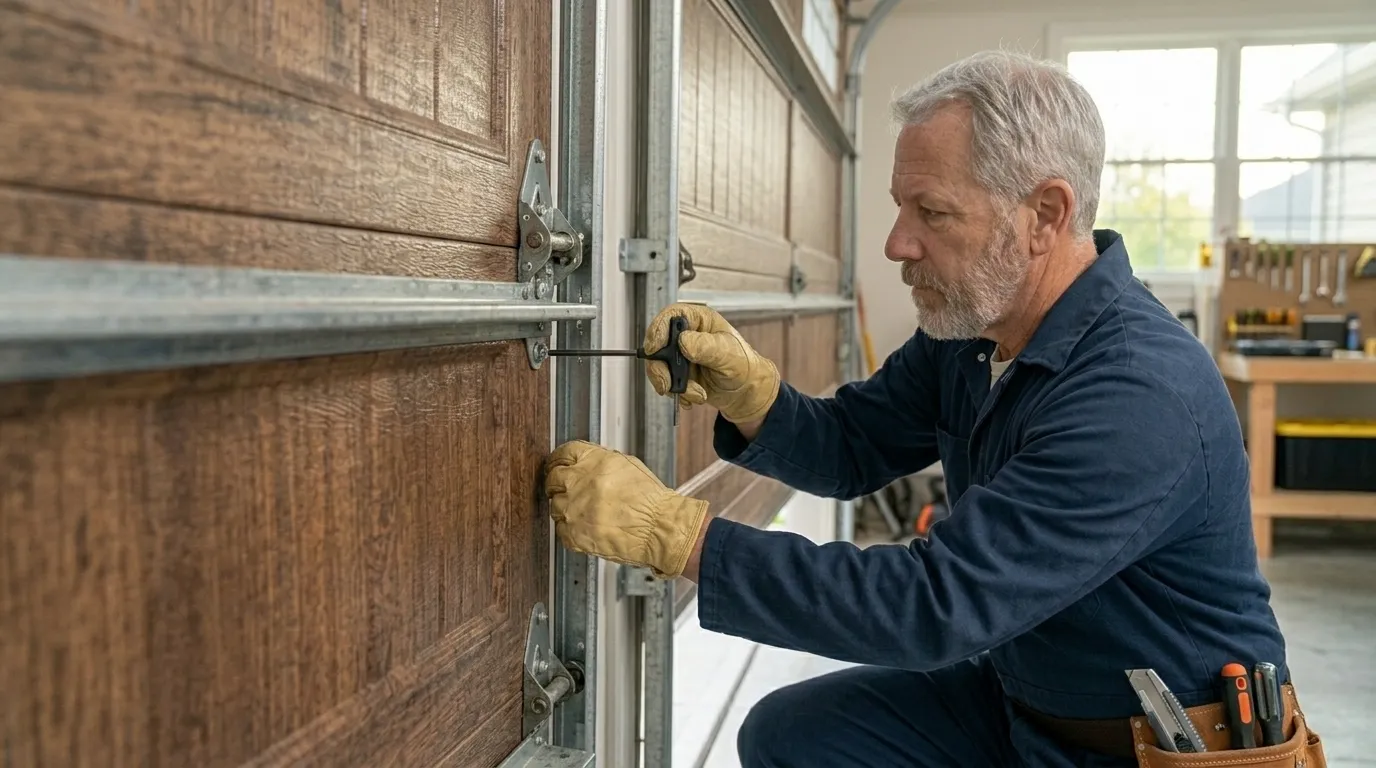
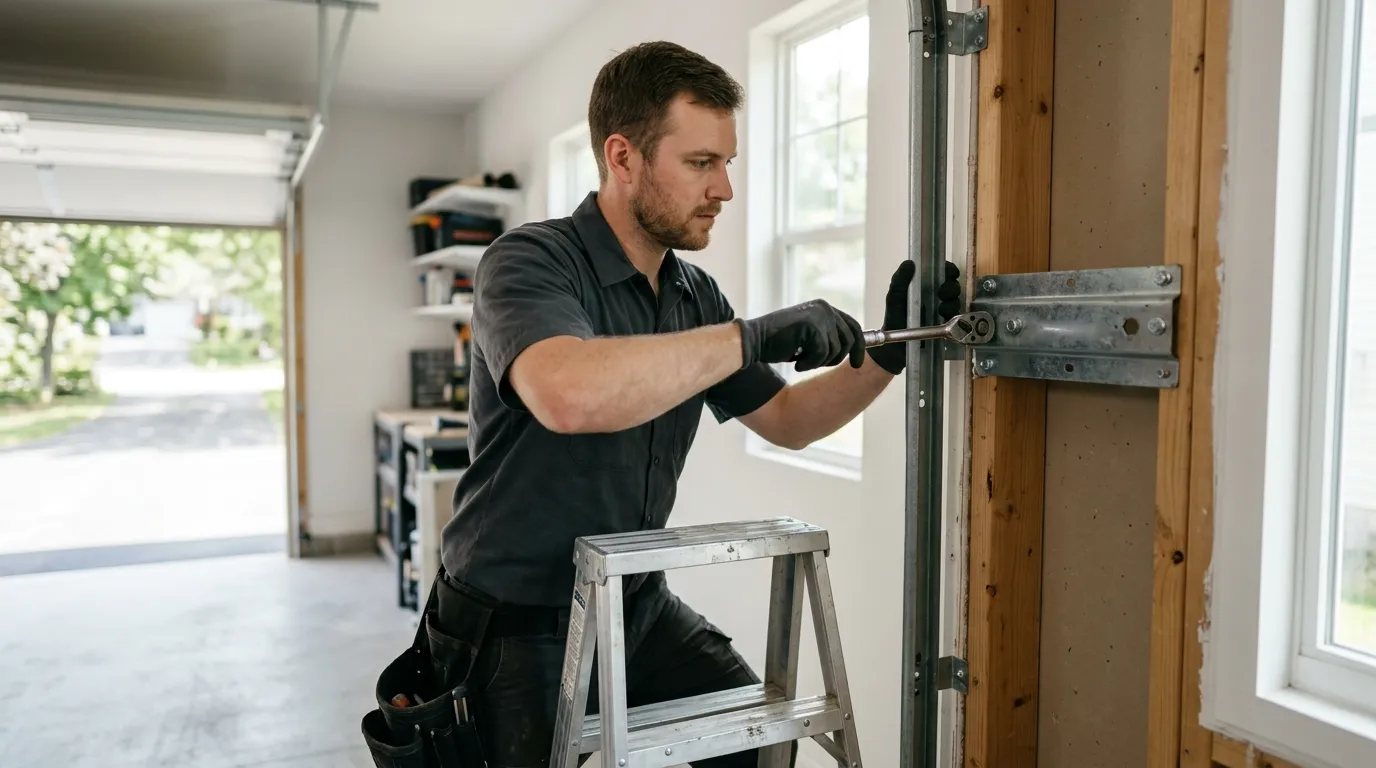
Springs, cables, tracks, rollers, and openers fixed by a tech who explains the problem before touching anything.
Learn more →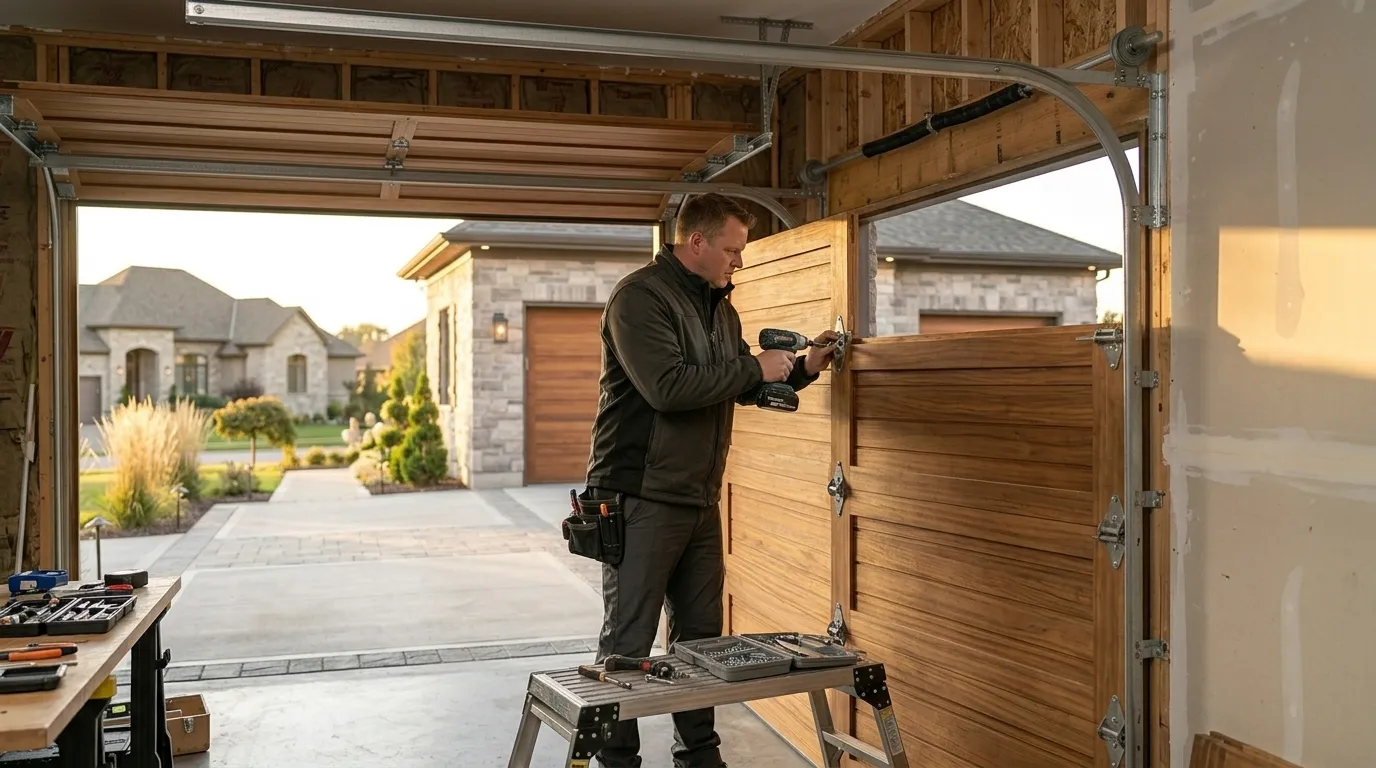
Garage Door Installation
New sectional doors sized and installed for the housing stock actually built in this area.
Learn more →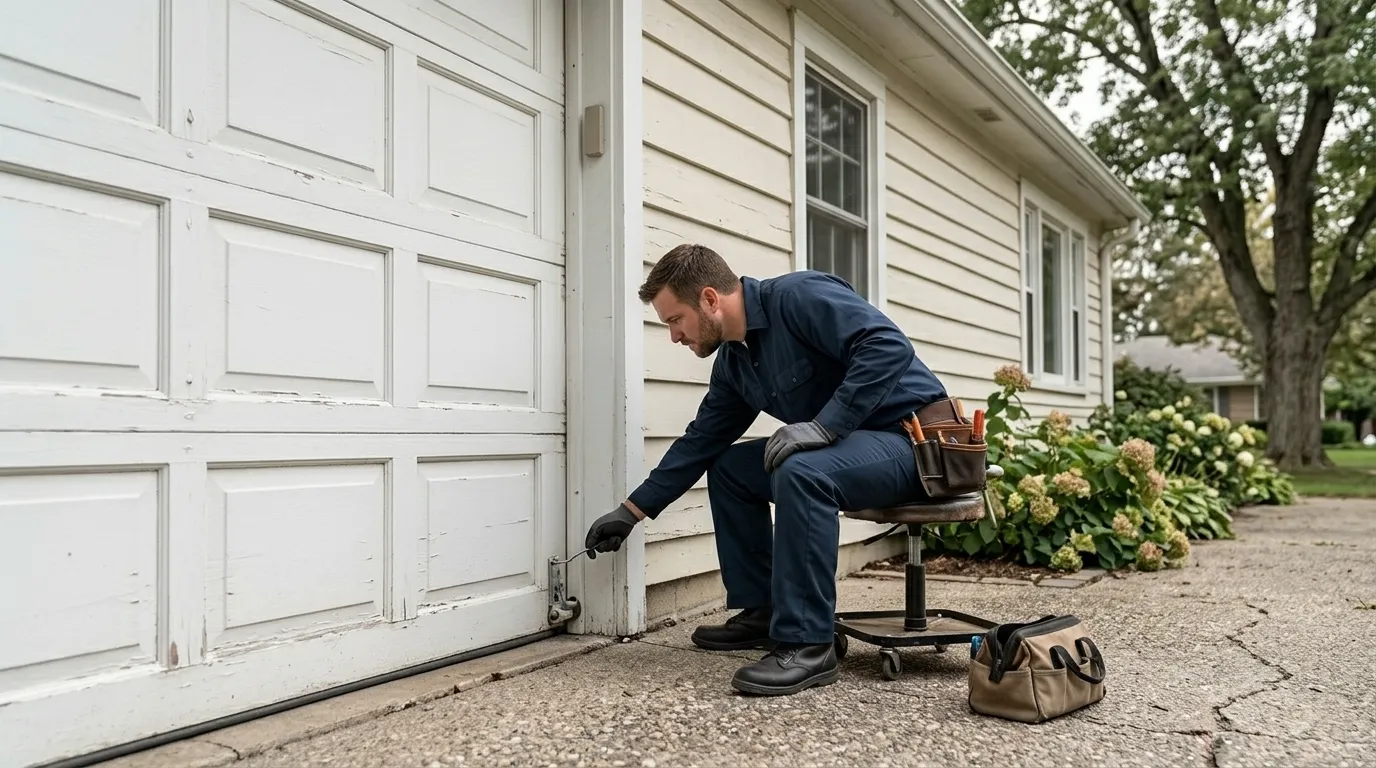
Garage Door Service
Tune-ups, lubrication, and safety checks that catch a small problem before it becomes a service call.
Learn more →Frequently Asked Questions
Why does my garage door let in so much heat even though it's closed all the way?
On older doors - a lot of what's out there dates to the 1980s and 90s - the bottom seal and side weatherstrip have usually hardened from years of direct heat exposure. Hardened vinyl stops compressing against the slab or track, leaving a gap you can feel as a draught and that lets heat and dust through even with the door fully down.
How often should weather seals be replaced in this climate?
There's no fixed number we'll quote without seeing the door, but severe heat exposure shortens vinyl seal life compared to milder climates. If your seal is visibly cracked, flattened, or pulling away from the track, that's the sign to replace it rather than going by age alone.
Can I just add a strip of weatherstrip over the old one?
You can, and it buys some time, but it doesn't fix a track that's the wrong size for a proper seal. On older 1980s-90s doors the retainer channel is often sized for a thinner gasket, so a proper fix sometimes means replacing the retainer, not just the rubber.
Have a Door That Needs a Second Opinion?
Call and describe what it is doing - we will tell you what it likely is.