
San Antonio Garage Door Guide
Garage Doors in San Antonio: What the Heat and the Housing Stock Mean for You
What San Antonio homeowners pay for garage door repair, how 1954-2010 housing stock and severe heat wear springs and openers, and what changes by season here.
- Licensed & Insured
- Same-Area Service Calls
- Upfront Pricing
The Situation
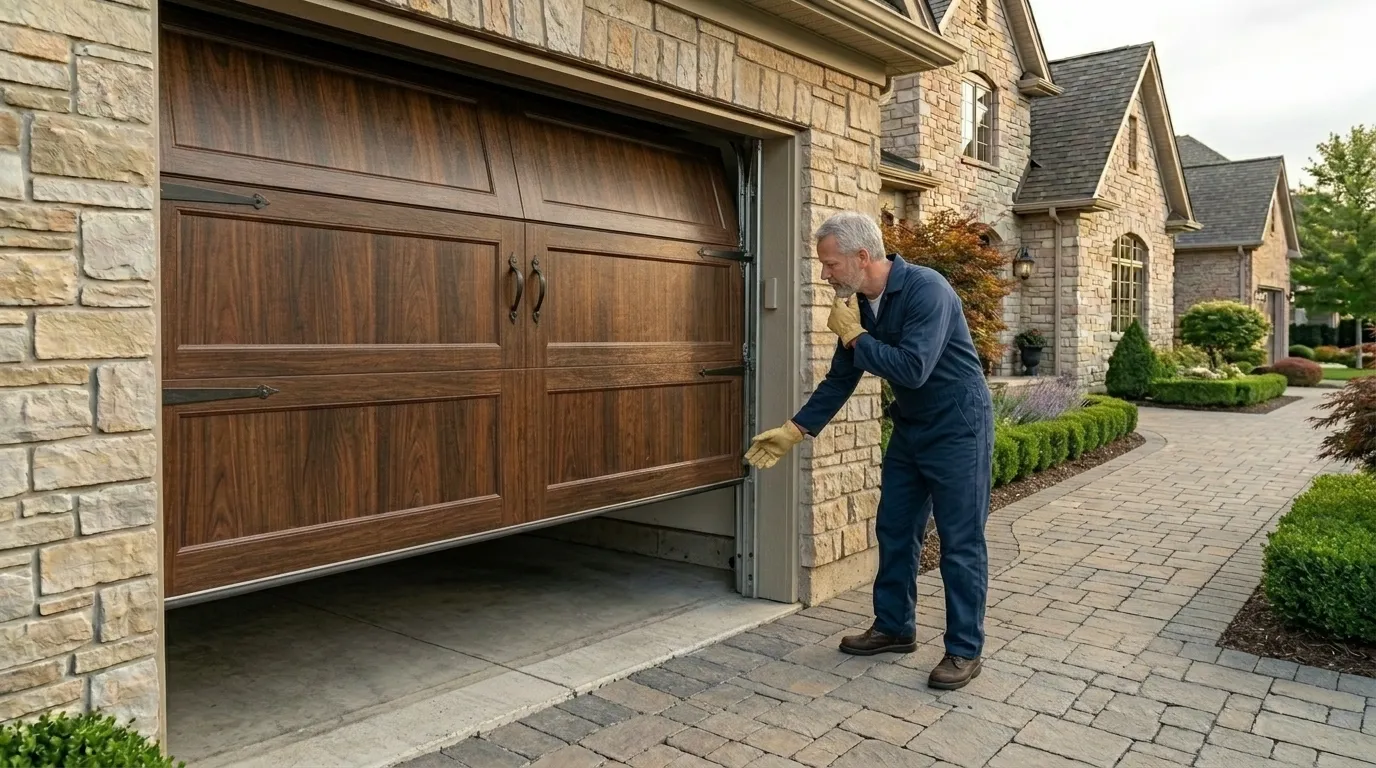
Most of the housing across this service area went up between 1954 and 2010, with the median build year landing around 1992. That's a long stretch, and it shows in the doors we open every week - steel sectional doors from the 90s next to newer insulated models a few streets over, sometimes on the same block. Across the 24 named areas we cover, from Midtown and Tobin Hill in close to Alamo Heights, Castle Hills, and Terrell Hills a few miles out, the pattern repeats: original torsion springs, original openers, original hardware, all of it now old enough to be the reason for the call.
With 93,745 households in the area and 62,150 of them owner-occupied houses, a lot of these are original garages, not additions or rebuilds. That matters because a door installed in 1994 wasn't speced for the same duty cycle, or the same heat, that we get today. The springs and the opener drive gears are usually the first things to give out, and on a house this age, they're often original.
We don't guess at what's behind your panel from the driveway. If the door is original to a 1990s build, we tell you that up front and let you decide whether it's worth patching or worth replacing.
What You Pay
We don't have a posted price list to hand you here, and I'm not going to make one up. What I can tell you is what drives the number: spring size and count, whether the opener needs a new logic board or a whole new unit, and whether the track is bent enough to need replacing rather than adjusting. Median household income across the area runs around $100,076, and most of the jobs we quote land in the range that reflects a mid-size Texas metro rather than a small town or a coastal city - but we'll give you the actual number after we look at the door, not before.
One honest limitation: if your opener is old enough that the manufacturer no longer makes the circuit board, we're not going to chase down a used part and charge you for the search time. At that point replacement is usually the better use of your money, and we'll say so instead of running up a bill trying to save a part that's done.
How Local Conditions Play In
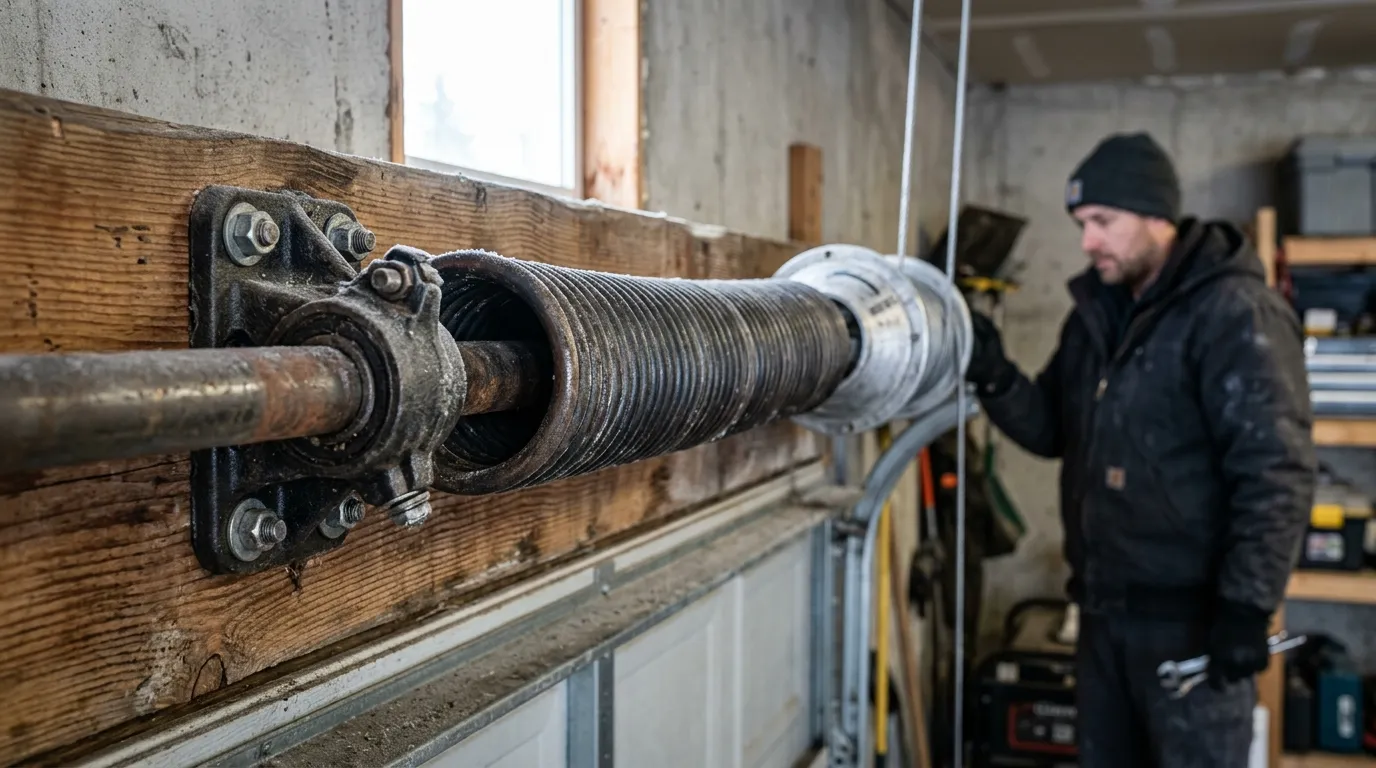
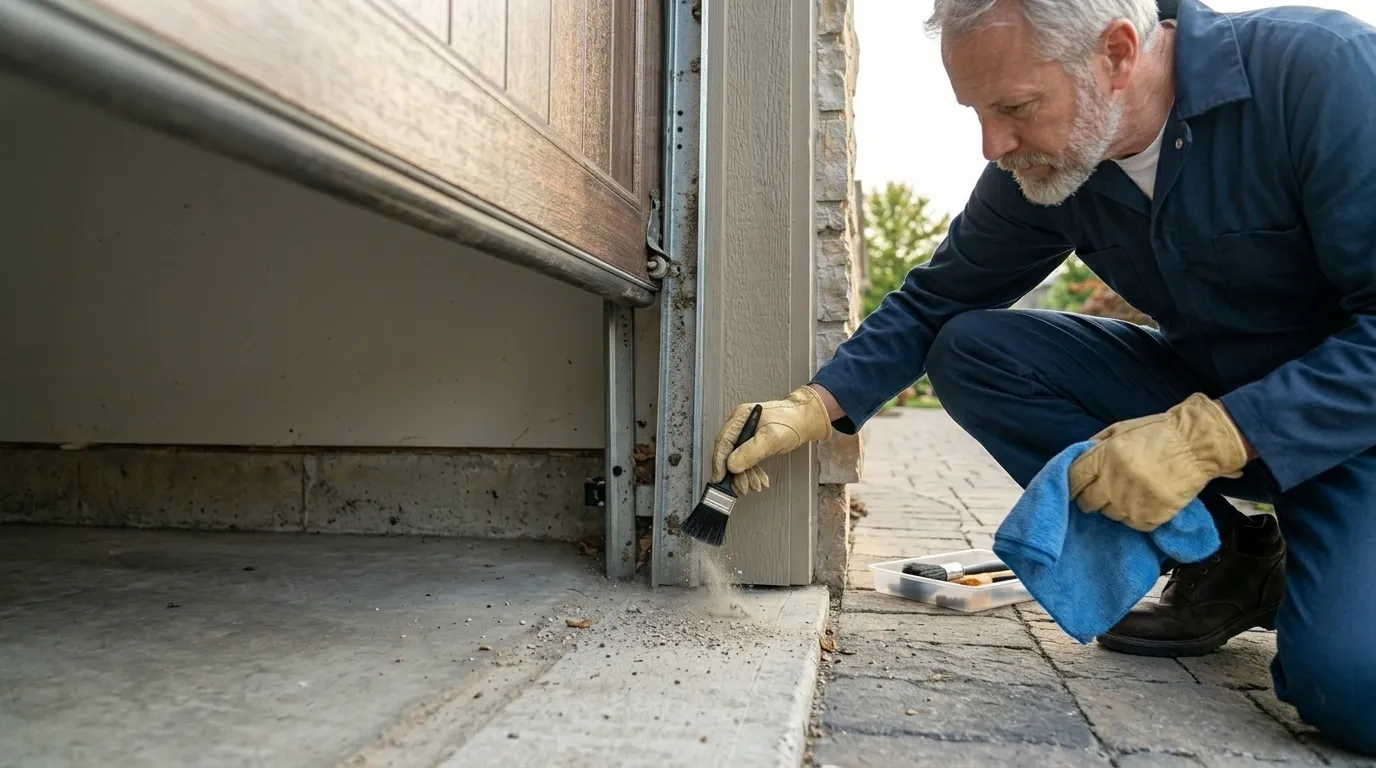
This is a severe-heat climate band, and that's the single biggest thing working against your garage door here, more than age or brand. Steel expands in the heat. A torsion spring that's already fatigued from years of cycling will let go on a 100-degree afternoon sooner than it would somewhere milder, because the metal is already under more stress just sitting in a hot garage. Openers suffer too - the drive belt or chain runs against a warmer garage ceiling for months at a stretch, and gears in a plastic-cased opener get more play than they should.
Across the mix of 1980s-90s stock we see in most of the 24 areas we serve, this shows up as sagging panels on wood-composite doors that were never built for this kind of sustained heat, and as openers that start grinding louder every summer before they finally strip a gear. A door that's fine in March is the one we get called about in July.
What Changes With the Season
Summer is when the phone rings most, and it's not close. Heat is hardest on rubber seals, plastic opener housings, and springs that are already near the end of their cycle count - all three tend to fail in the same stretch of months rather than spread evenly across the year. If your door has been making a new noise, address it before peak summer rather than during it, because that's also when everyone else's door is failing and lead times on parts stretch out.
The rest of the year is calmer here. Cooler months are a better time to get ahead of a repair - replace a spring before it snaps, swap a strained cable before it frays through - because you're not competing with a wave of heat-driven failures citywide. If your house falls in that 1954-2010 build window, which covers most of the area, a spring inspection before summer is worth the half hour it takes.
How We Can Help
Garage Door Repair
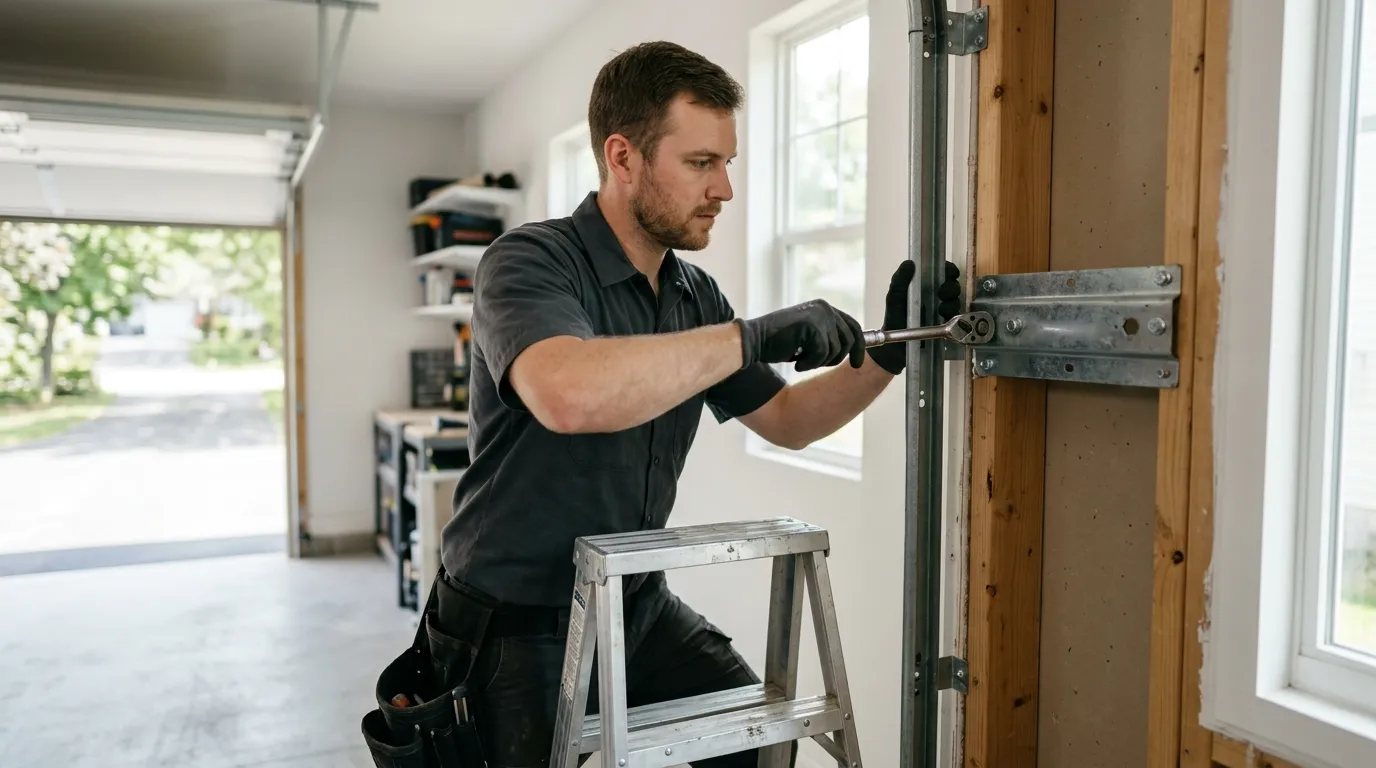
Springs, cables, tracks, rollers, and openers fixed by a tech who explains the problem before touching anything.
Learn more →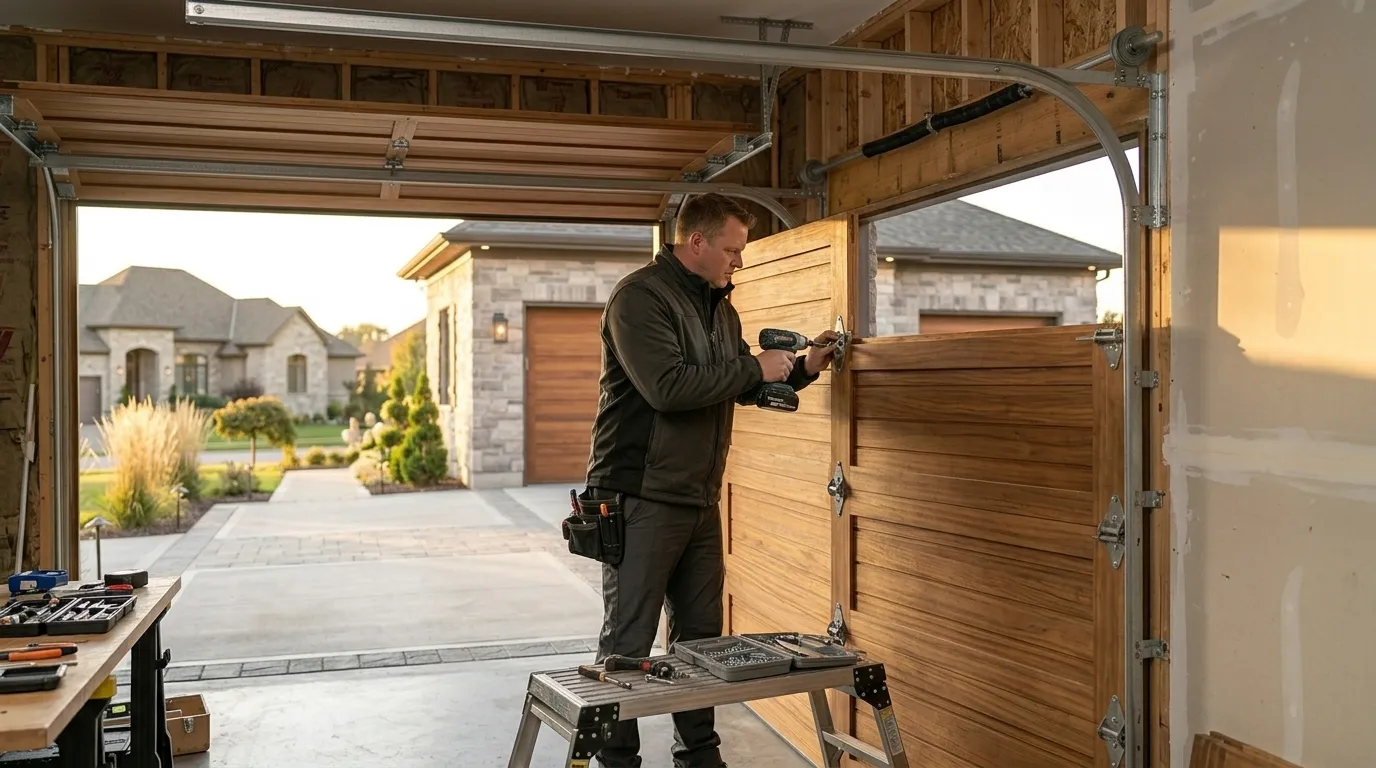
Garage Door Installation
New sectional doors sized and installed for the housing stock actually built in this area.
Learn more →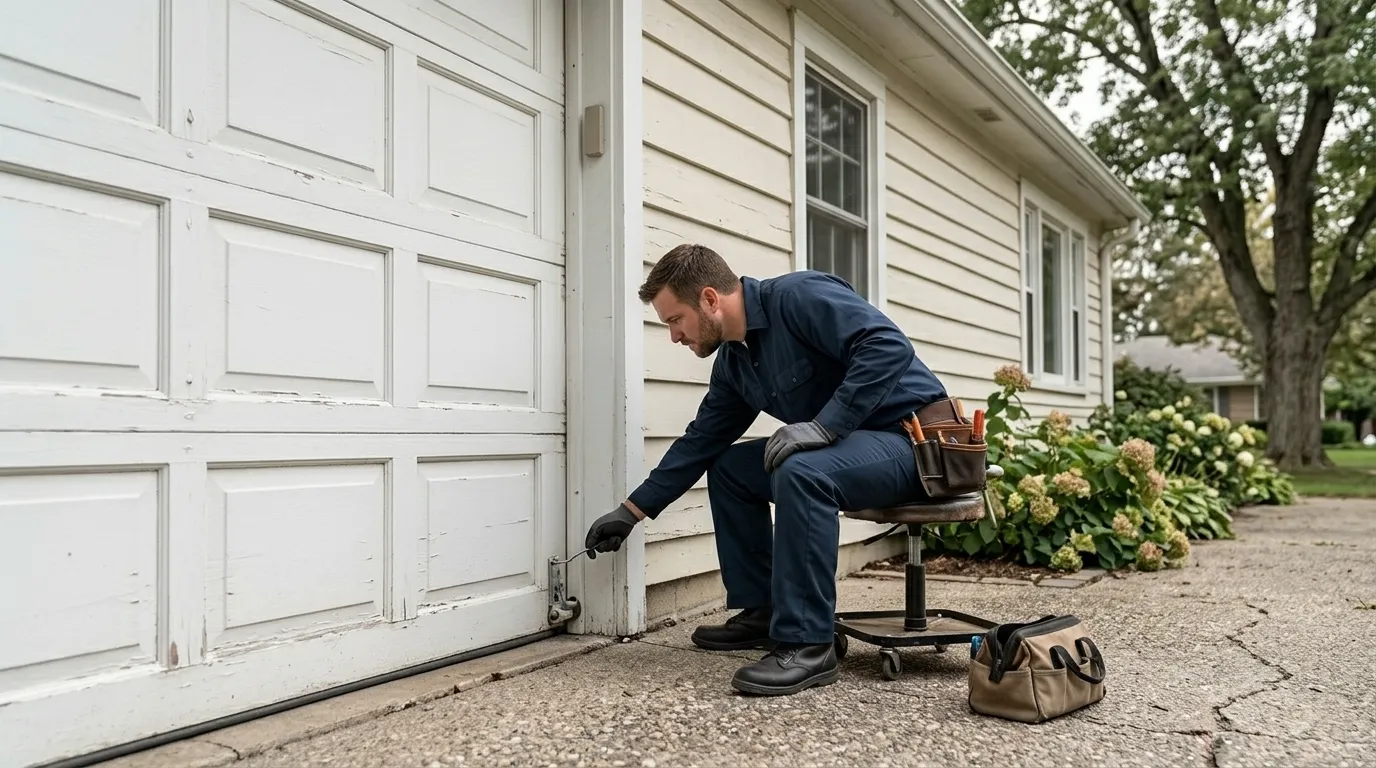
Garage Door Service
Tune-ups, lubrication, and safety checks that catch a small problem before it becomes a service call.
Learn more →Frequently Asked Questions
Why did my spring break in the middle of summer with no warning?
Heat is the reason more often than people expect. A torsion spring near the end of its cycle count is already under stress, and expanding steel in a hot garage pushes it past the point of failure. It usually isn't sudden - the spring was close to done, and a 100-degree stretch finished the job.
My house was built in the early 90s - is the opener original?
A lot of houses in this area were built between 1954 and 2010, median around 1992, and yes, plenty still have the original opener. If yours has never been replaced, the gears and circuit board are the parts most likely to be near the end of their life, especially after years of summer heat.
Is it worth repairing an old door or should I replace it?
Depends what's failing. A spring or a cable is a straightforward repair on almost any door. If the opener's circuit board is discontinued, or the panels are warped from years of heat, replacement usually costs less over time than patching an old unit repeatedly.
When's the best time to get a spring checked before it fails?
Late spring, before the heat peaks. Springs that are marginal tend to fail in the hottest months, and that's also when everyone else's door is failing too, so parts and scheduling get tighter. Getting ahead of it in cooler months means less waiting.
Have a Door That Needs a Second Opinion?
Call and describe what it is doing - we will tell you what it likely is.