
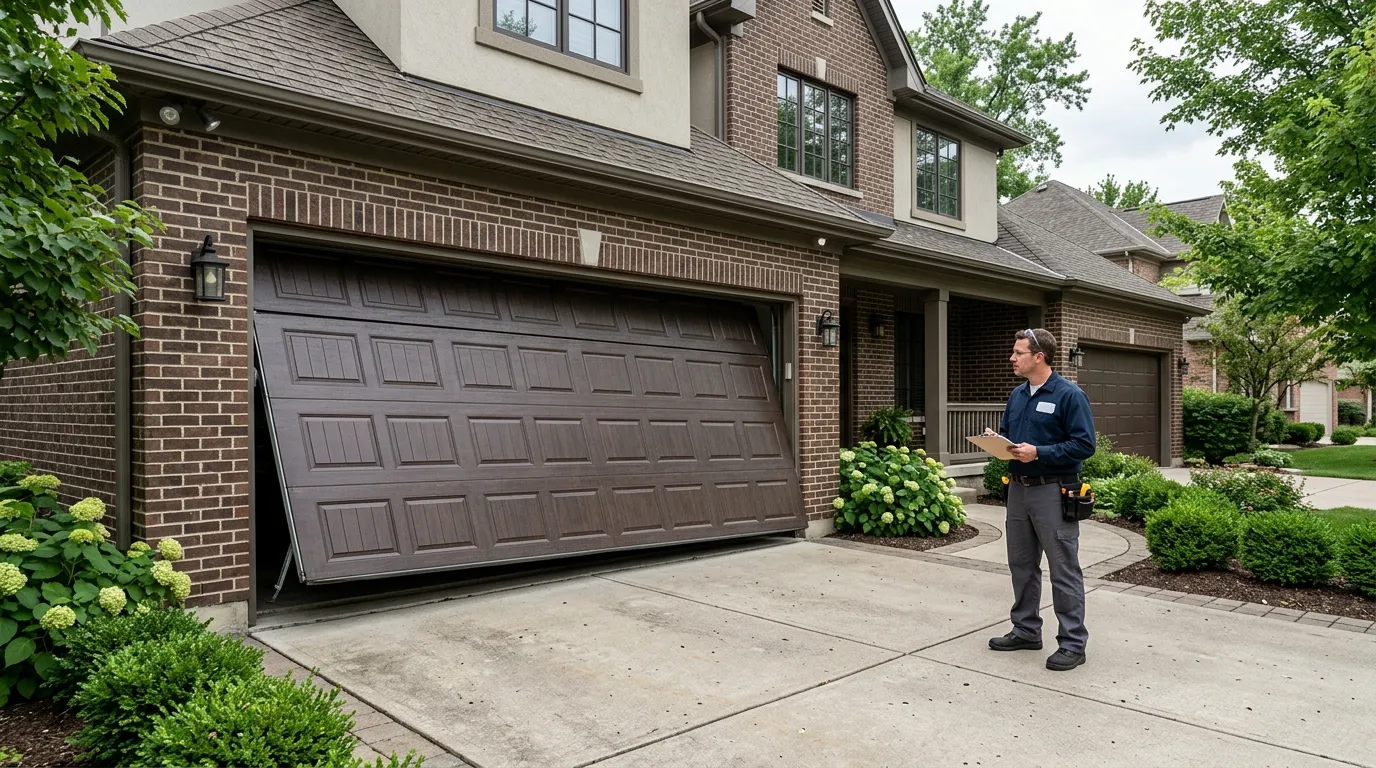
San Antonio Garage Door Guide
Why a Door Goes Off Track Around San Antonio
San Antonio's 1980s-90s housing stock and severe heat put specific strain on tracks and rollers. Here's what actually knocks a door off track and what it costs to fix.
- Licensed & Insured
- Same-Area Service Calls
- Upfront Pricing
The Situation
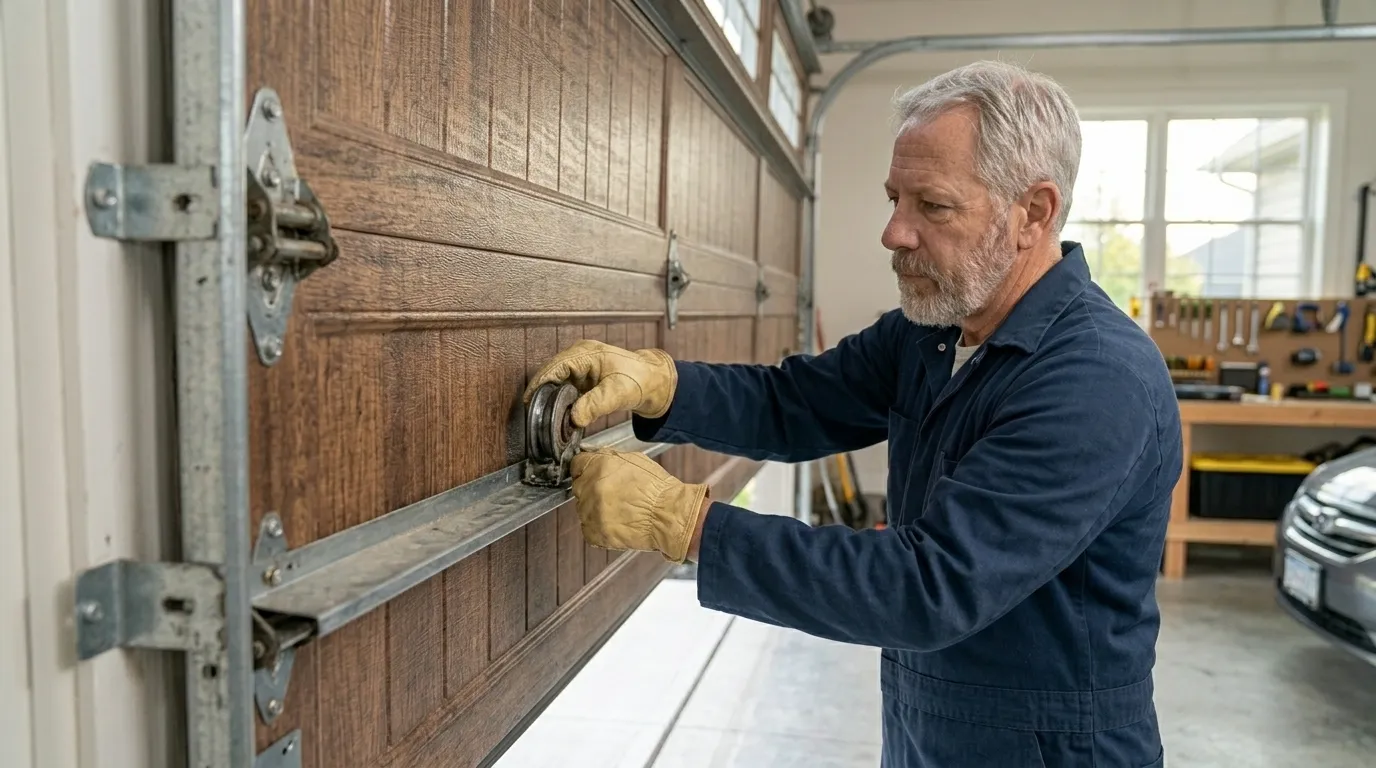
Most of the doors we get called out on sit in homes built between 1954 and 2010, with the bulk of that stock going up in the 1980s and 90s across neighborhoods like Woodlawn Hills, Shearer Hills/Ridgeview, and North Central. That era of construction used a fairly narrow range of track hardware - steel rail bolted to wood jambs that have since shrunk, shifted, or been repainted over the mounting brackets. When a jamb moves even an eighth of an inch out of square, the vertical track goes with it, and the rollers start riding the edge of the rail instead of the center. That's the start of almost every off-track call we take.
A door doesn't jump the track on its own. Something pushes it there first: a roller that's worn round instead of cylindrical, a bracket bolt that's backed out, or a bottom panel that's been bumped by a car bumper or a trailer hitch. In older sections of the service area - Tobin Hill, Downtown-adjacent blocks, Avenida Guadalupe - we still find original one-piece doors on track hardware that predates the sectional doors most people picture now. Those don't come off track the same way; they bind at the pivot instead. Knowing which era of house you're standing in front of changes the diagnosis before you even open the panel.
What You Pay
We're not going to hang a number on this without knowing what's actually wrong, and that's not a dodge - a bent roller bracket and a torn-out jamb are two different jobs with two different parts lists. What we can tell you is what drives the range: whether the track itself is bent (replace, not bend back), whether the jamb needs new backing lumber before the bracket goes back on, and how many rollers on that side have gone from round to oval. A door that's merely off its track with no bent hardware is the cheapest version of this call. A door that's been off track for a week and kept getting run by the opener anyway is a different estimate, because now you're probably also looking at a stripped opener gear or a cracked panel edge.
One honest limitation: we don't quote off-track repairs over the phone past a rough range, because two doors that sound identical on a call can have completely different root causes once we're standing in front of them.
How Local Conditions Play In
San Antonio sits in a severe heat band, and that matters more for track alignment than most people expect. Steel track and steel jambs expand and contract through the day, and on a house built in the 1980s or 90s - which describes most of the housing across this service area - decades of that daily cycle work the mounting screws loose a fraction of a turn at a time. You don't notice it until the day a bracket finally lets go under load, usually on the hottest stretch of the afternoon when the door's been opened and closed a half dozen times already.
Across the 24 named areas in this market, from Alamo Heights and Castle Hills in close to Cibolo and Schertz further out, the housing age is consistent enough that we see the same failure pattern repeat: heat-cycled fasteners, then a bump or an out-of-balance spring finishes the job and the door jumps track. Homes in the newer pockets built closer to 2010 hold up a little longer before this shows up, but the same physics apply everywhere in this heat.
What Changes With the Season
The worst stretch for off-track calls here is the run of consistently high heat, not a single storm event - this region's severe heat band means the track hardware is working against thermal expansion for months at a time, not days. Metal expands, contracts, expands again, and every cycle is a small chance for a screw to walk out another sixteenth of an inch. By late summer we're seeing doors that were fine in spring start showing roller wear and bracket play that finally lets go.
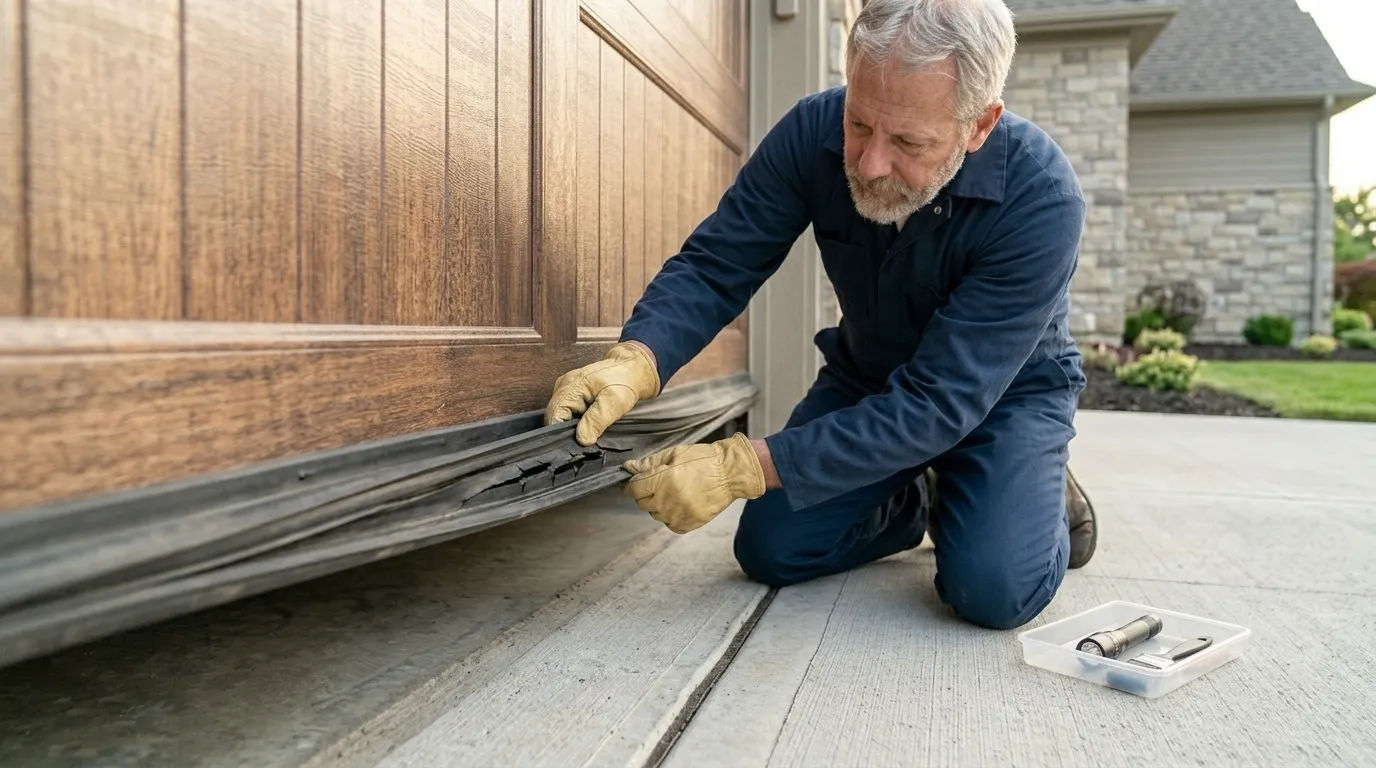
We don't get the freeze-thaw problems that cause off-track failures in colder climates, so if you're reading advice written for a northern market about ice building up in the track, it doesn't apply here - that's simply not a mechanism in this climate band. What does apply is heat-driven lubricant breakdown: grease that's fine at 70 degrees can thin out and sling off the rollers at the temperatures this area holds through summer, leaving metal running dry against metal right where the track needs it least.
How We Can Help
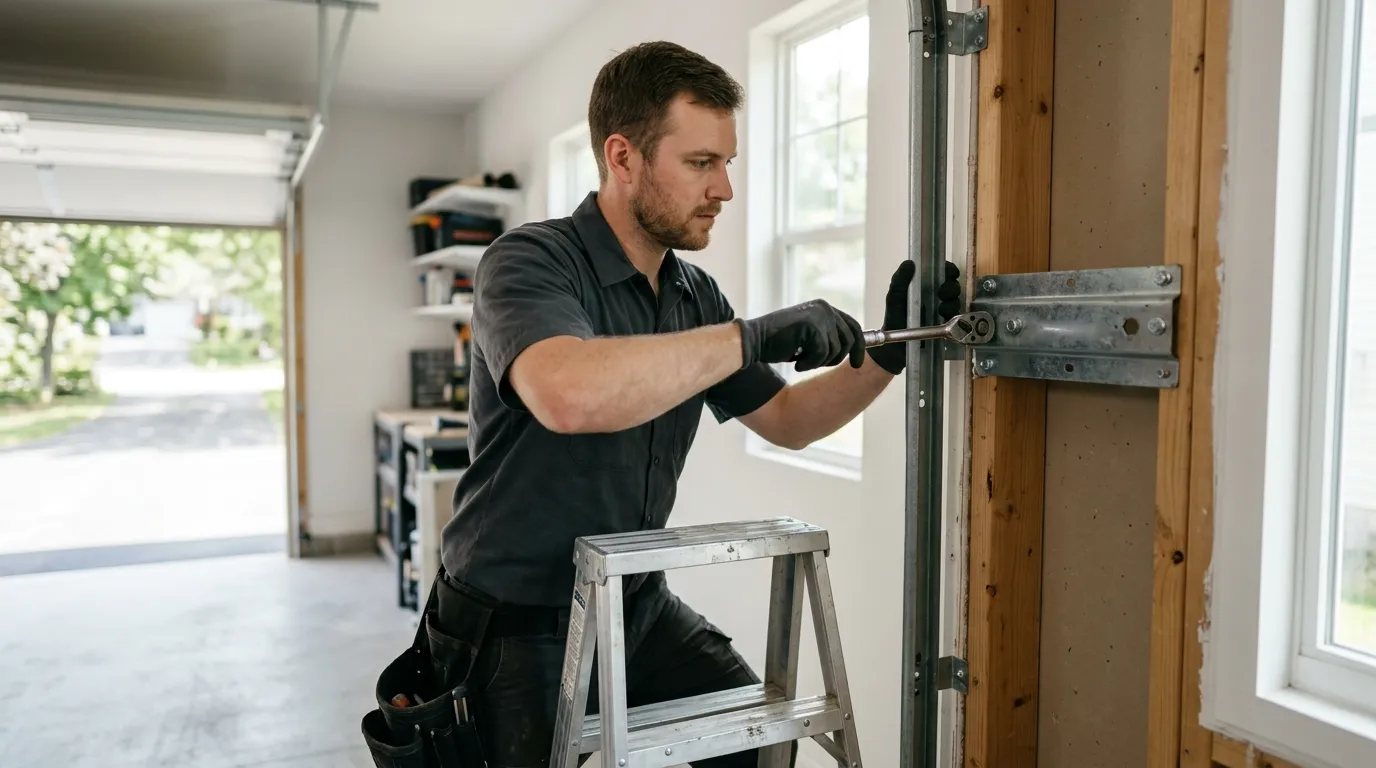
Garage Door Repair
Springs, cables, tracks, rollers, and openers fixed by a tech who explains the problem before touching anything.
Learn more →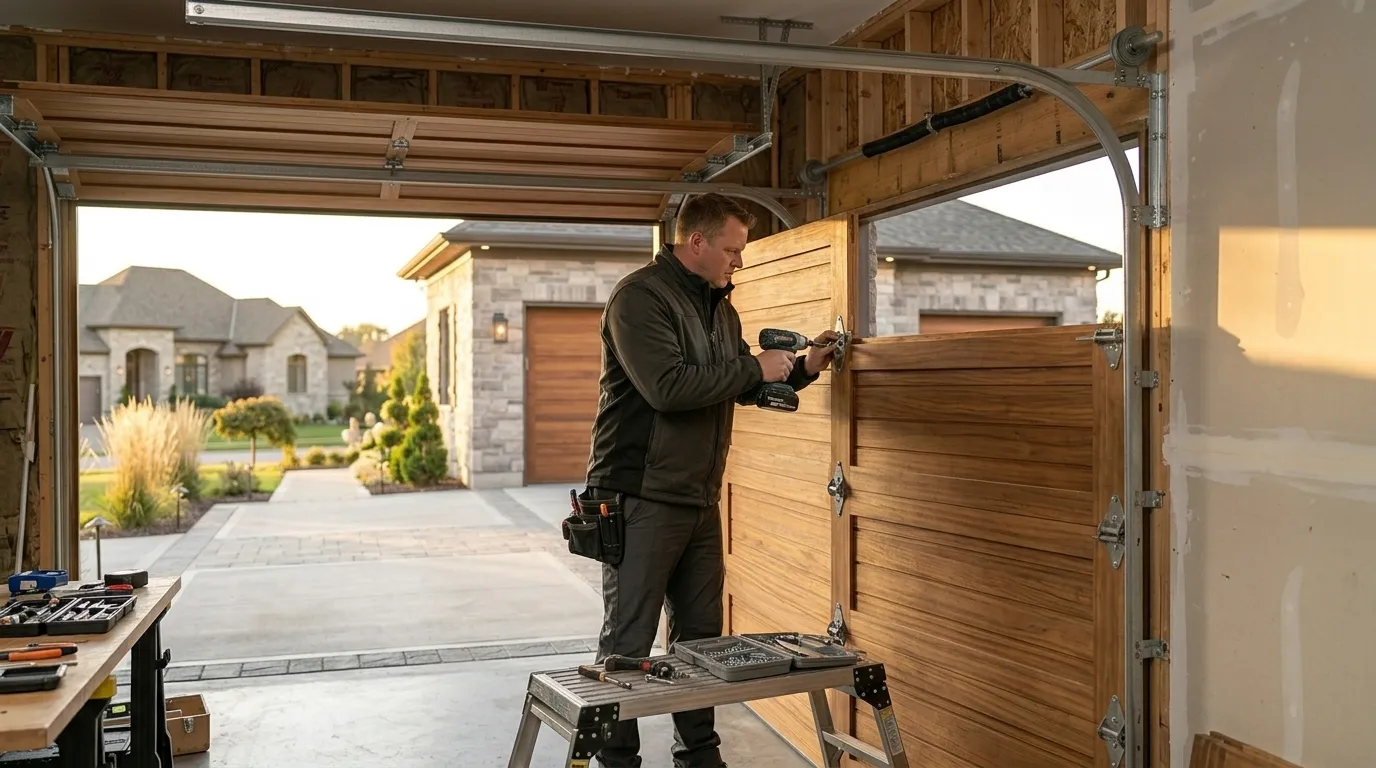
Garage Door Installation
New sectional doors sized and installed for the housing stock actually built in this area.
Learn more →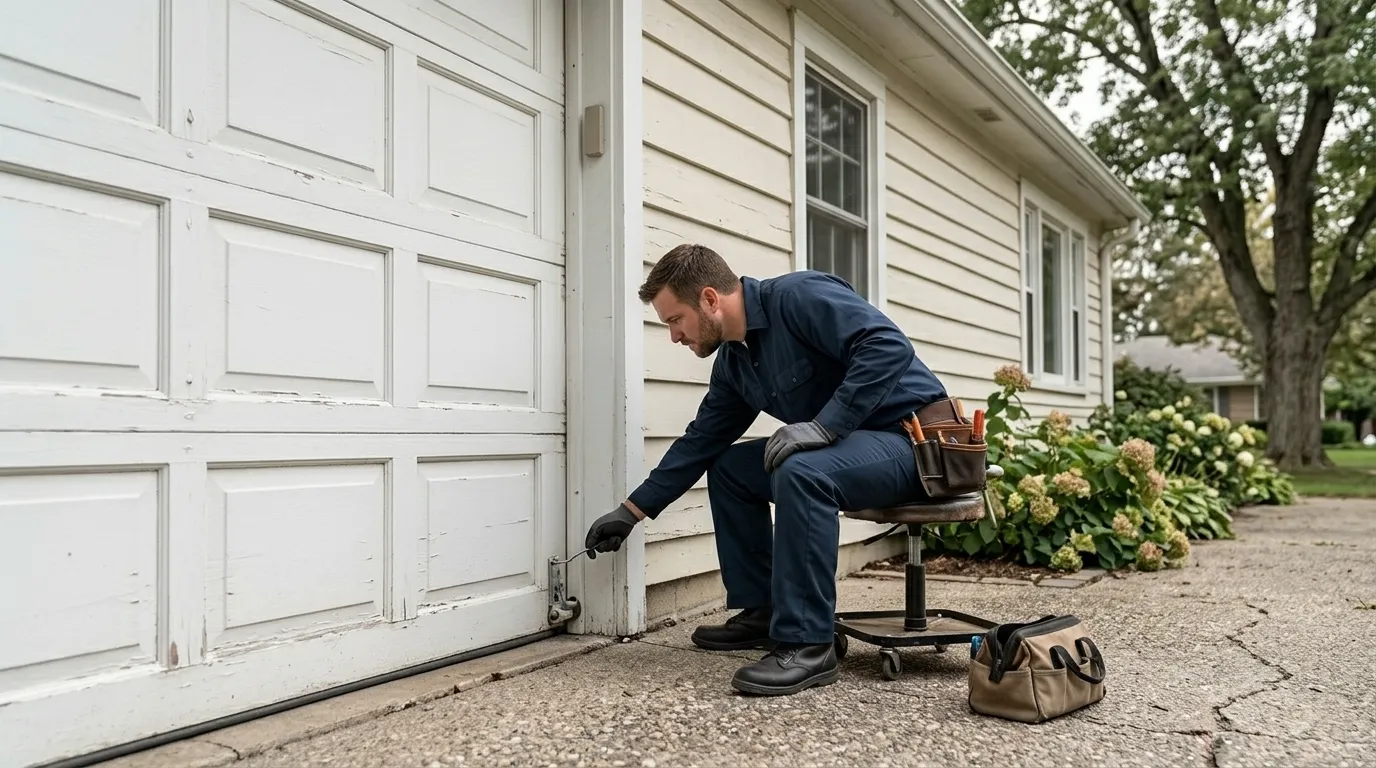
Garage Door Service
Tune-ups, lubrication, and safety checks that catch a small problem before it becomes a service call.
Learn more →Frequently Asked Questions
Why does my garage door only jump the track in summer?
Heat cycling loosens the screws holding your track brackets to the jamb a little more each season. San Antonio's severe heat band means that cycle runs for months, not weeks, so failures cluster in the hottest stretch of the year when fasteners finally give out under normal use.
Is an off-track door always a track replacement?
No. Often it's a bent bracket, worn rollers, or a loose jamb screw, all cheaper fixes than a new track. We check the track for actual bends before recommending replacement, since a straight track just needs to be reseated and re-secured.
My house is older, near Downtown or Tobin Hill - is this the same repair?
Not always. Some homes in those areas still have original one-piece doors on different track hardware than the sectional doors common in 1980s and 90s construction. Those bind at the pivot point rather than jumping a vertical rail, so the fix looks different.
Can I push the door back onto the track myself?
We'd rather you didn't. A door under spring tension that's off track can drop suddenly once you start moving it. If the track is bent or a bracket is loose, forcing the door back can bend the rail further or pull the bracket clean out of the jamb.
Have a Door That Needs a Second Opinion?
Call and describe what it is doing - we will tell you what it likely is.