
San Antonio Neighborhood
Garage Door Work for Uptown Central Homes
Serving Uptown Central, San Antonio: garage door repair and spring service built around this pocket's 1980s-90s housing stock and San Antonio's severe summer heat.
- Licensed & Insured
- Same-Area Service Calls
- Upfront Pricing
Plain Answers
Uptown Central sits about 9 miles northeast of downtown San Antonio, in a stretch of the city where most of the housing went up between the 1980s and the 1990s, part of a broader build-out that ran from 1954 to 2010 with a median year of 1992 across the service area. That matters more than it sounds like it should, because a door's age tells you what's inside the box before we ever pull up. A door from that era usually means an extension-spring setup or an early torsion conversion, steel panels without much in the way of insulation, and an opener that's had at least one replacement chain or belt kit by now if it's still running.
We don't have street names or landmark cross-streets for this pocket, so we're not going to pretend we do. What we can tell you is what the build years mean for the hardware, and what San Antonio's heat does to it. If your door groans going up in July, or the opener strains and reverses before it seats, that's consistent with what a door from this window is doing right now across a lot of houses nearby.
We work by address and by what we see on the door itself, not by neighborhood guesswork. Call and we'll ask what year your section of Uptown Central was built out, since that's the fastest way to narrow down parts before a truck even leaves.
The Doors Around Here
Housing stock this age carries a specific set of failure points. Extension springs from a 1980s or 1990s install are past due for replacement even if they haven't snapped yet - most rate for around 10,000 cycles, and a door used twice a day for three decades has run through that math more than once. Torsion setups from the same window often still have the original center bearing plate, which wears quietly until the door starts sagging on one side.
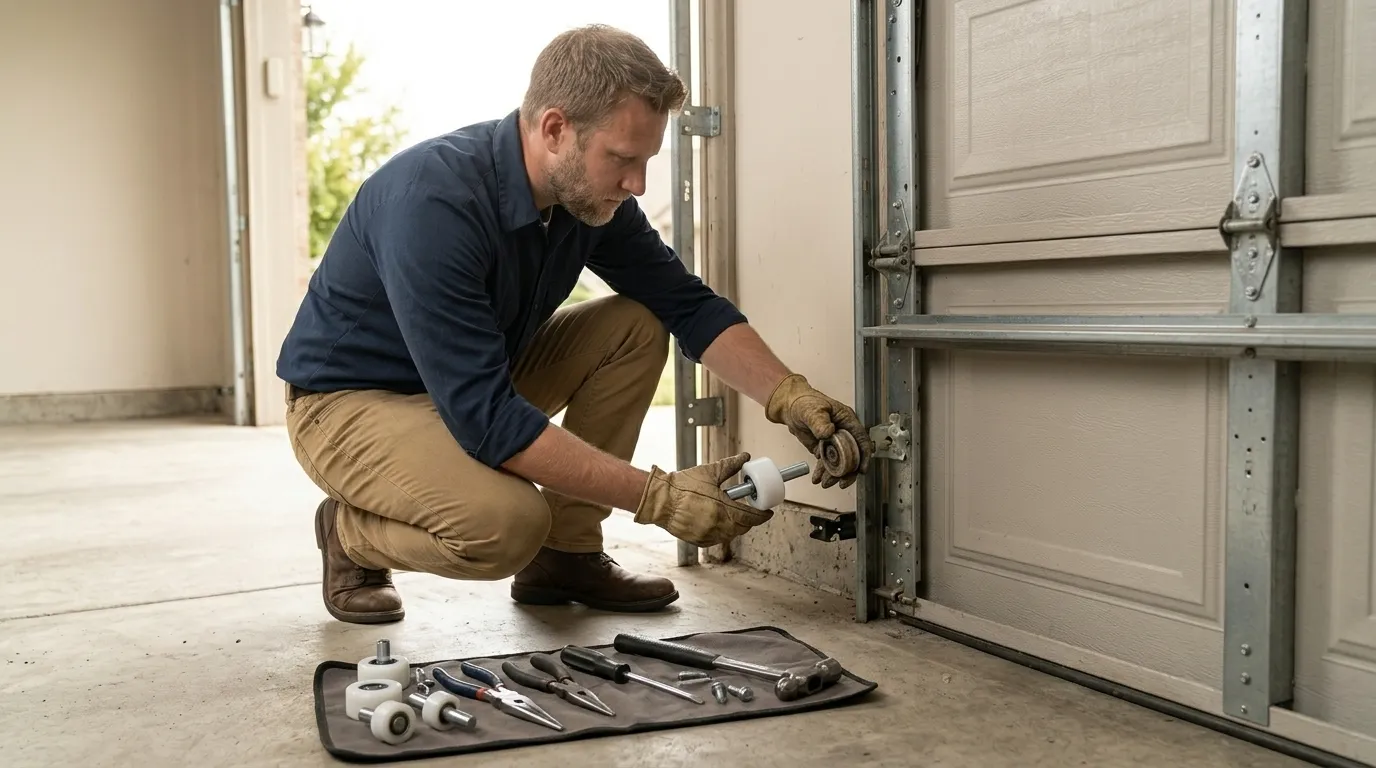
San Antonio's climate band is rated severe heat, and that's not a small detail for a garage door. Steel panels expand and contract through triple-digit summer days and cooler winter nights, which loosens hinge screws, dries out nylon rollers, and puts extra load on an opener's drive gear as it fights a door that's binding slightly in its tracks. Nylon rollers from a 1990s install are usually well past their service life by now regardless of how the door looks from the driveway.
The honest limitation: we can't tell you what's wrong with your specific door from a build year alone. Two houses finished the same year can have different springs, different opener brands, different amounts of sun exposure on the door face. The year tells us where to start looking, not what to quote. If a spring or opener part is genuinely obsolete for a door this old, replacement of that component - not the whole door - is usually the cheaper path, and we'll say so before we recommend otherwise.
Getting a Look at It
San Antonio's service area runs to 93,745 households, with 62,150 of those owner-occupied houses, and a median household income of $100,076. Uptown Central sits inside that broader footprint, closer to the center of the city than communities like Windcrest or Hollywood Park, both roughly 9 to 10 miles out, and well inside the ring that includes places like Shearer Hills/Ridgeview and Crownhill Park to the north.
We don't have a landmark or cross-street to point to for Uptown Central specifically, and we're not going to invent one just to make this section sound more local than it is. What we can do is show up, look at the door, the track alignment, the spring wind, and the opener's logic board, and tell you plainly whether it's a repair or a door that's earned its retirement. For a house built in the 1980s or 90s window that makes up most of this pocket, that conversation usually comes down to whether the springs and rollers were ever upgraded, or whether they're still the originals doing their best in a summer that doesn't let up.
If you want that assessment, get in touch through the site.
How We Can Help
Garage Door Repair
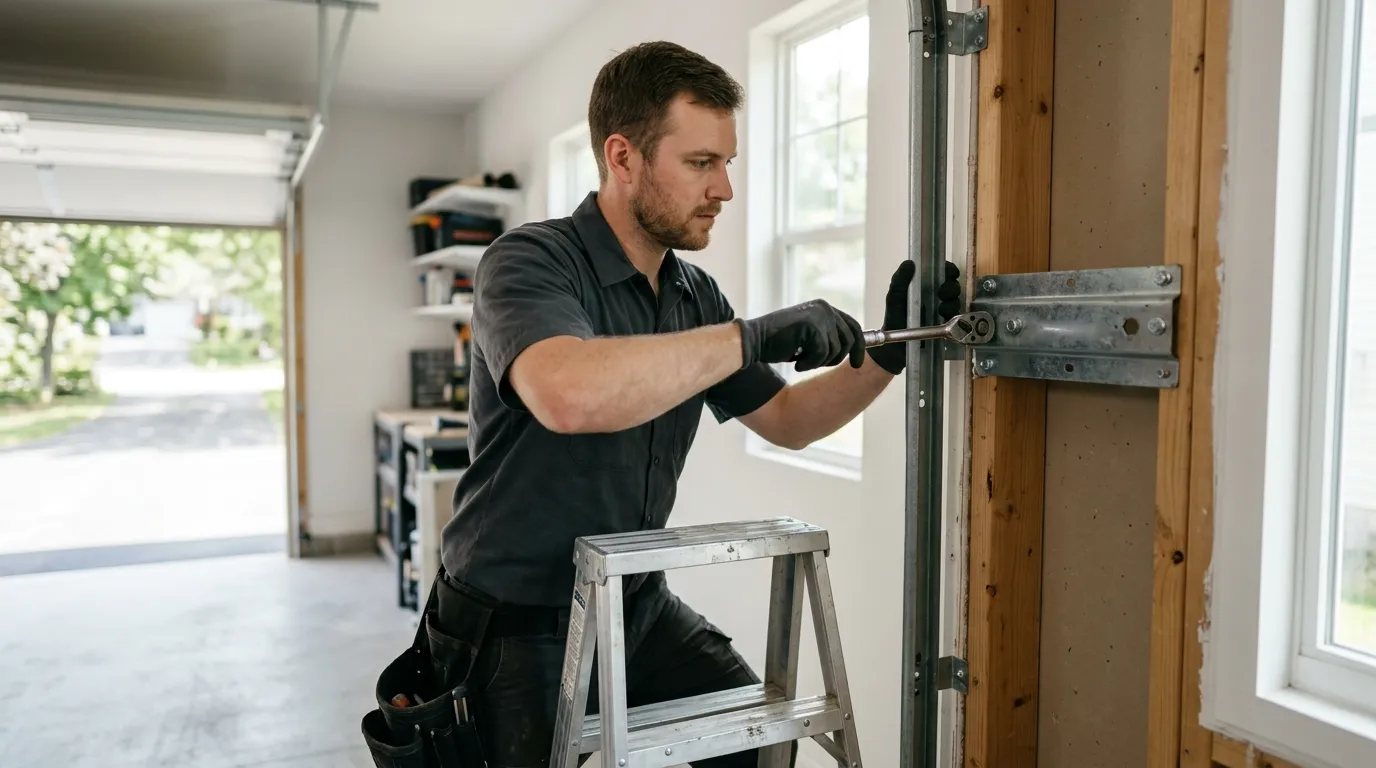
Springs, cables, tracks, rollers, and openers fixed by a tech who explains the problem before touching anything.
Learn more →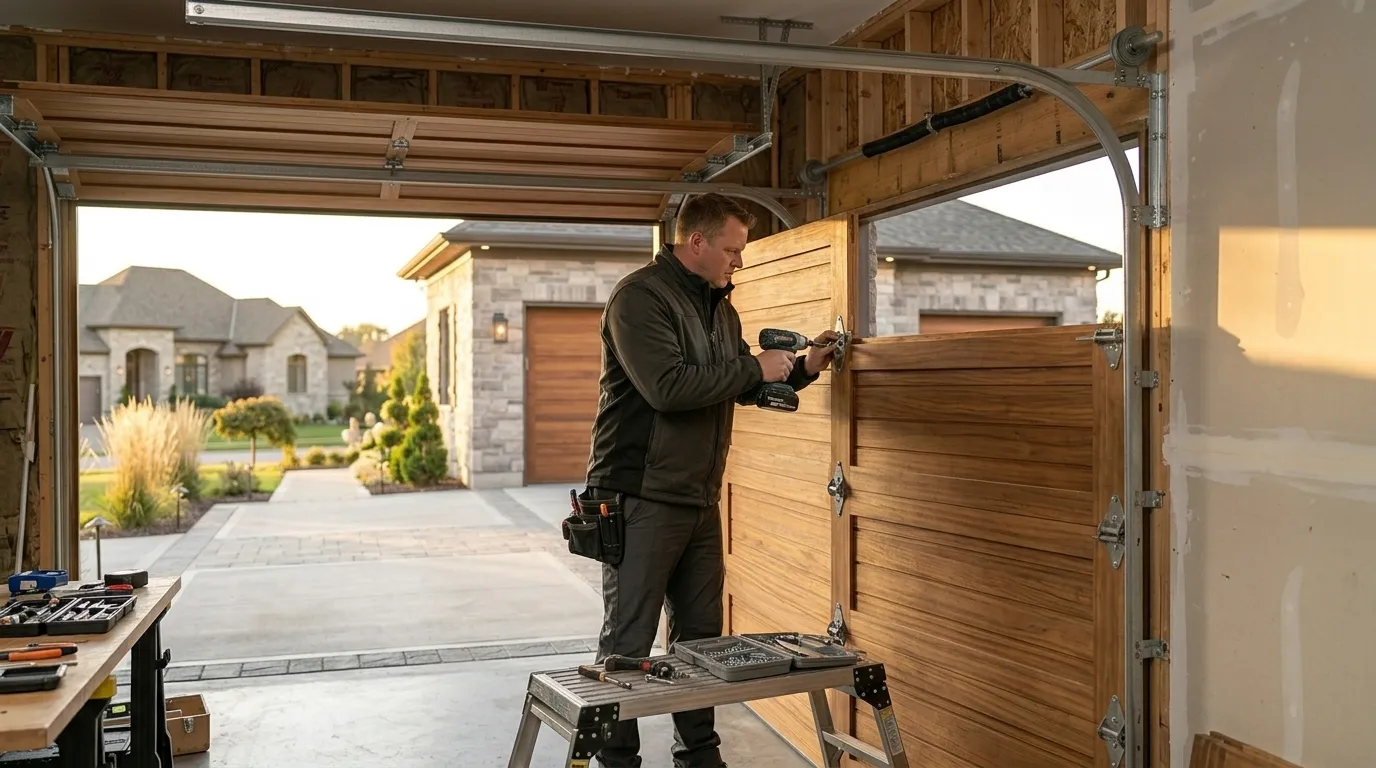
Garage Door Installation
New sectional doors sized and installed for the housing stock actually built in this area.
Learn more →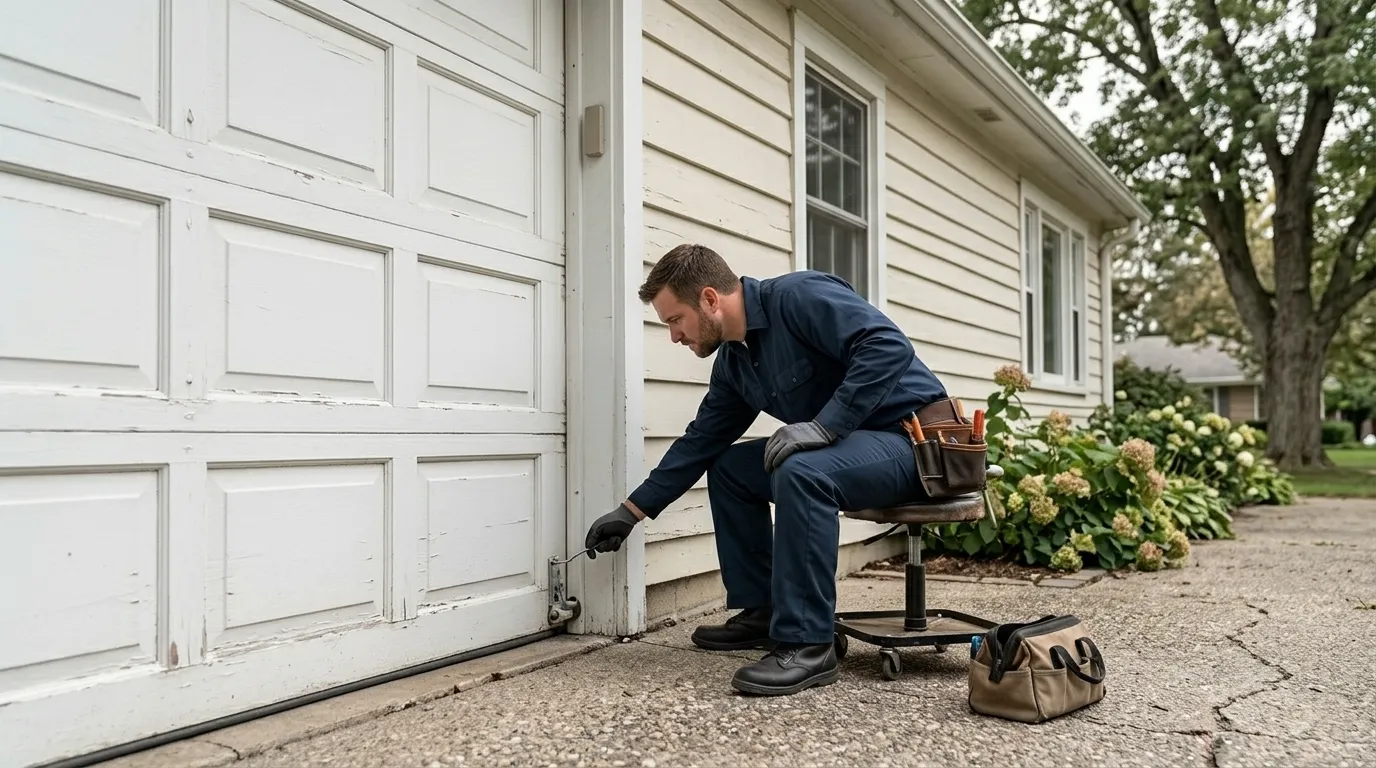
Garage Door Service
Tune-ups, lubrication, and safety checks that catch a small problem before it becomes a service call.
Learn more →What Happens When You Call
-
1
Call or Request a Quote
Tell us what the door is doing and roughly how old the house is - that alone points us toward the likely part before a truck leaves.
-
2
On-Site Diagnosis
A tech checks the spring, cables, tracks, and opener in person and tells you plainly what is actually wrong.
-
3
Straight Price, No Surprises
You get a number before any work starts. It covers parts and labor, nothing added after the fact.
-
4
Fixed the Same Visit
Most repairs are done in one trip. If a part needs sourcing, we tell you that upfront instead of guessing.
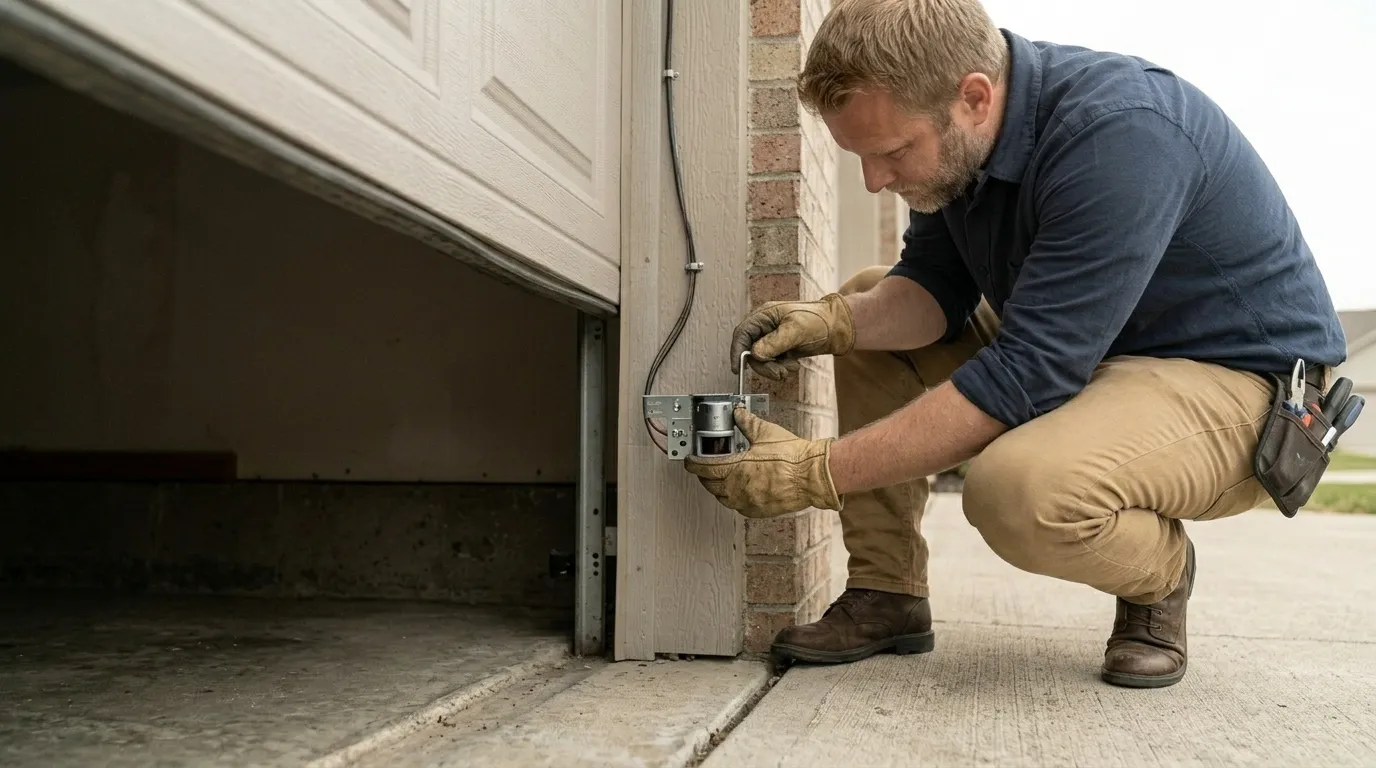
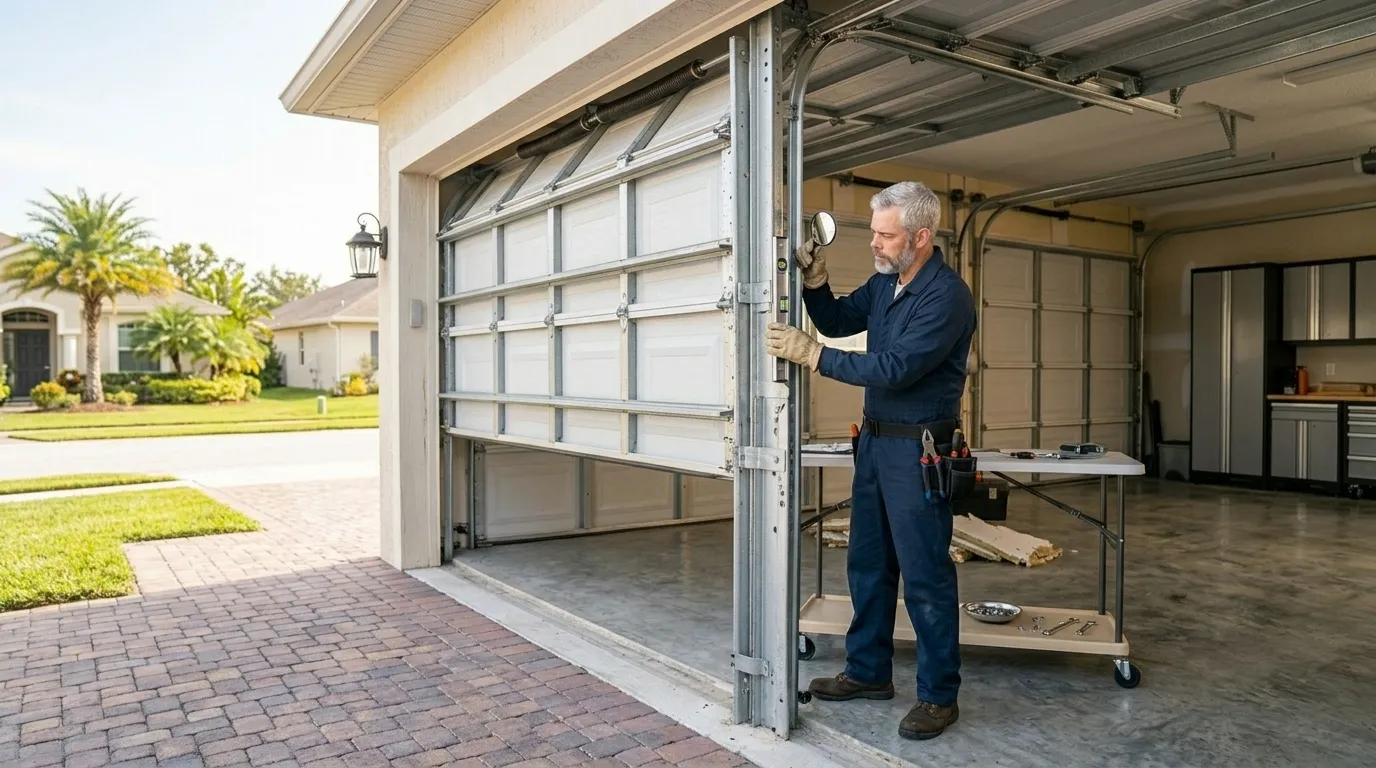
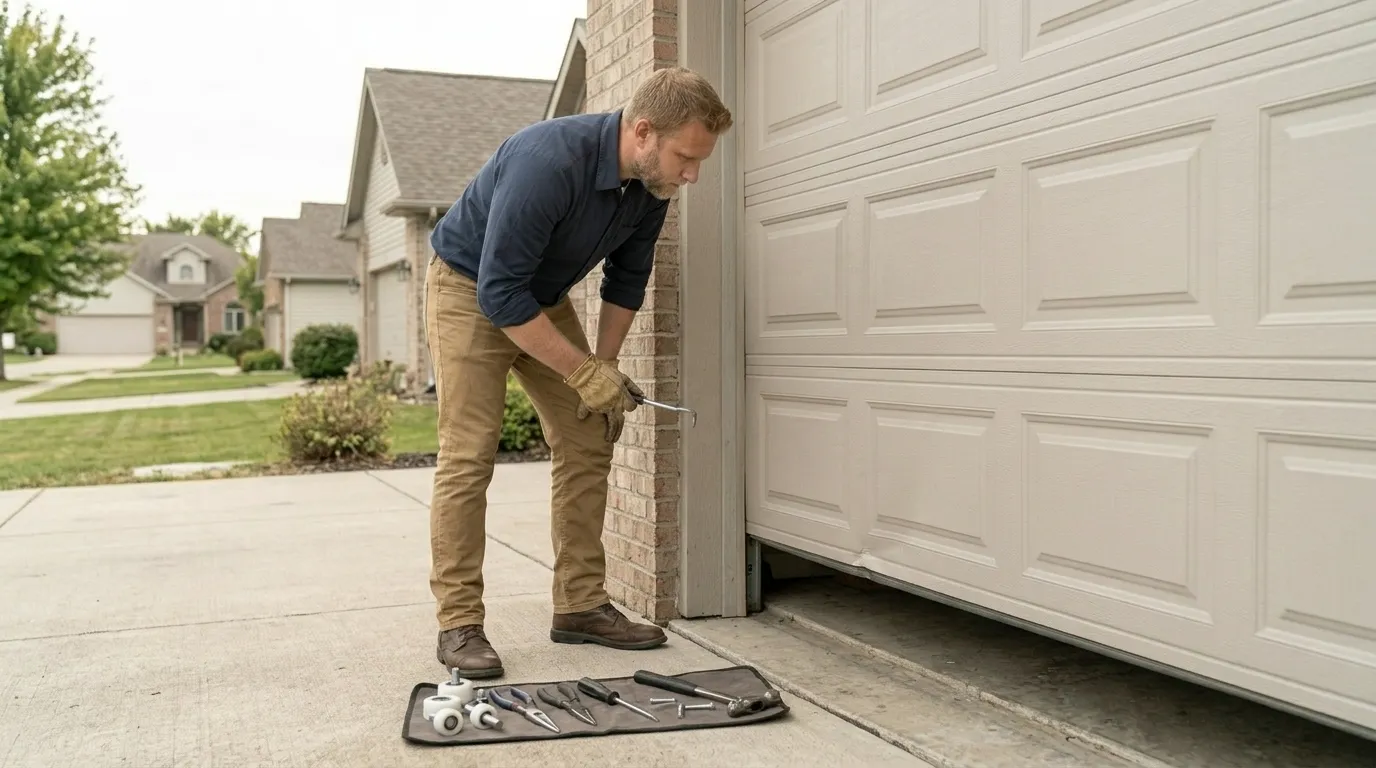
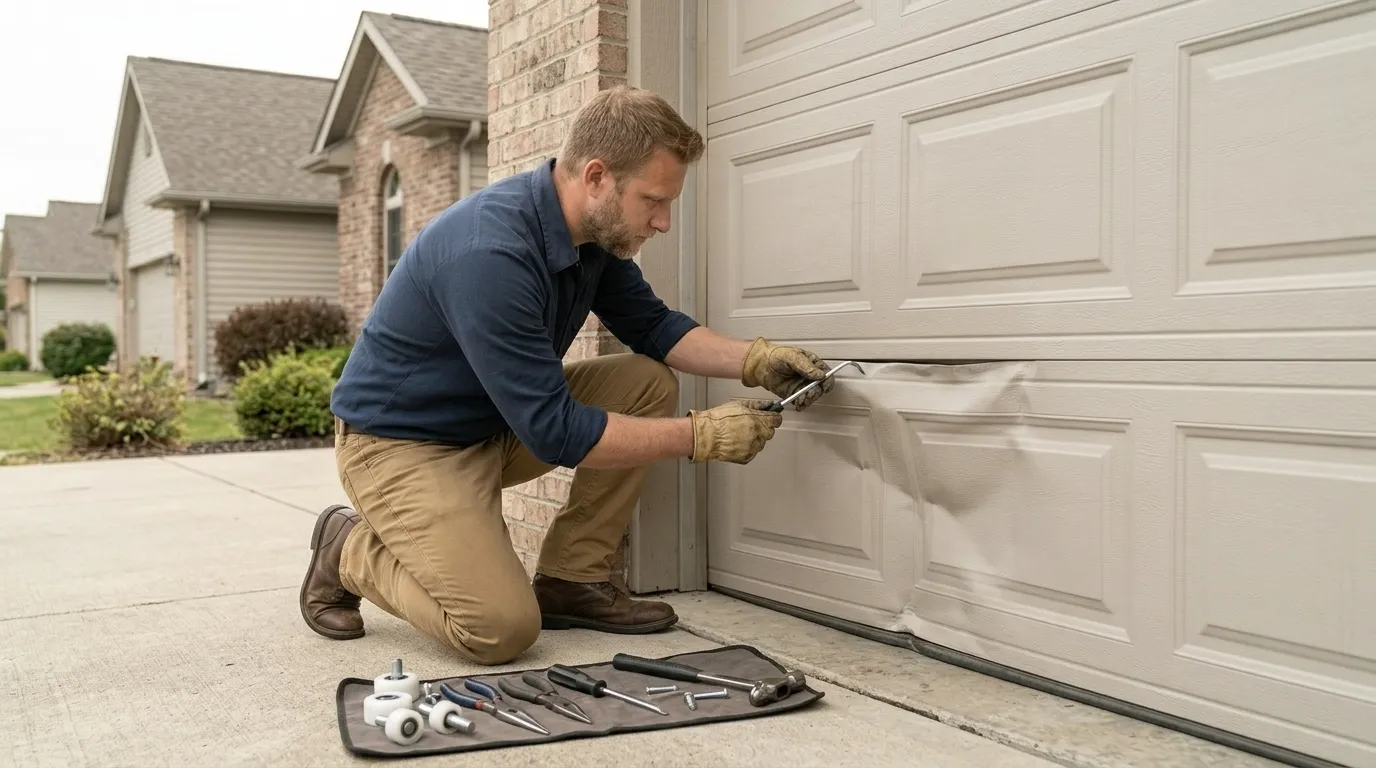
Recent Work Near Uptown Central
Frequently Asked Questions
How old is a typical garage door in Uptown Central?
Most homes in this part of San Antonio were built between the 1980s and 1990s, part of a citywide build-out running from 1954 to 2010 with a median year of 1992. That usually means the door and opener are either original or on a first replacement, and springs from that era are typically well past their rated cycle life.
Does the heat here actually affect garage doors?
Yes. San Antonio sits in a climate band rated for severe heat, and repeated expansion and contraction of steel panels loosens hardware, dries out rollers, and adds strain to an opener's motor over the years. It's a slower failure than a broken spring, but it adds up on a door that's already 20 to 30 years old.
Can you tell me what's wrong with my door before you come out?
Not reliably. The build year of your section of Uptown Central tells us what kind of hardware is likely inside the door, but two houses from the same year can have different springs, rollers, or opener brands depending on past repairs. We'd rather look at it than guess over the phone.
Get Your Door Fixed in Uptown Central
Call now for same-area service.